Introduction
A comprehensive dental exam is a full‑mouth evaluation that goes far beyond a quick visual check. It combines a detailed visual inspection, probing of gum pockets, bite analysis, and diagnostic imaging such as digital X‑rays or intra‑oral scans. During the visit the dentist also screens for oral cancer, assesses existing restorations, and reviews the patient’s medical history. This thorough approach matters because the mouth often reflects systemic health: early signs of diabetes, cardiovascular disease, and other conditions can appear as gum inflammation, bone loss, or mucosal lesions. Detecting these problems promptly allows minimally invasive treatment, reduces the need for costly procedures, and supports overall well‑being by linking oral care to the body’s broader health picture.
Early Disease Detection and Systemic Health Links
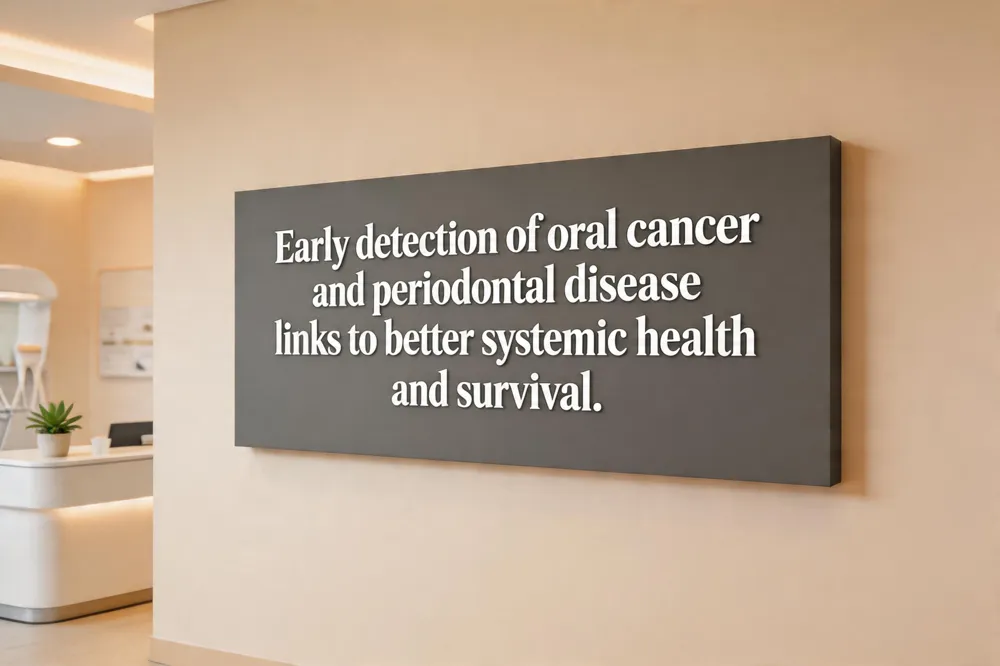 Oral cancer screening is a routine part of comprehensive exams. Dentists examine the lips, tongue, floor of mouth and throat for any abnormal tissue. Detecting lesions at Stage 0 or I gives a five‑year survival rate over 90 %, making early detection essential. Fluoride treatments applied after screening strengthen enamel and help prevent decay.
Periodontal disease creates chronic inflammation that can affect the whole body. Probing depths over 3 mm signal early gum disease, which is linked to heart disease, diabetes complications and adverse pregnancy outcomes. Treating it early reduces systemic inflammation and improves overall health. Regular cleanings remove plaque and tartar, further decreasing the inflammatory burden.
Can a dentist detect lymphoma? Yes. During a check‑up the dentist inspects the mouth, gums, tongue and neck, palpating lymph nodes for painless swelling. Abnormal findings are referred for medical imaging and biopsy, allowing earlier treatment and better prognosis.
Dental insurance for restorative care Most plans cover fillings, crowns, bridges and root canals at 70‑80 % after deductible, with major work often reimbursed at 50‑60 %. Annual maximums range $1,000‑$5,000; implants usually need a separate rider. Many policies also cover preventive cleanings at 100 %. Check waiting periods and co‑pays to know out‑of‑pocket costs.
Financial Benefits and Insurance Navigation
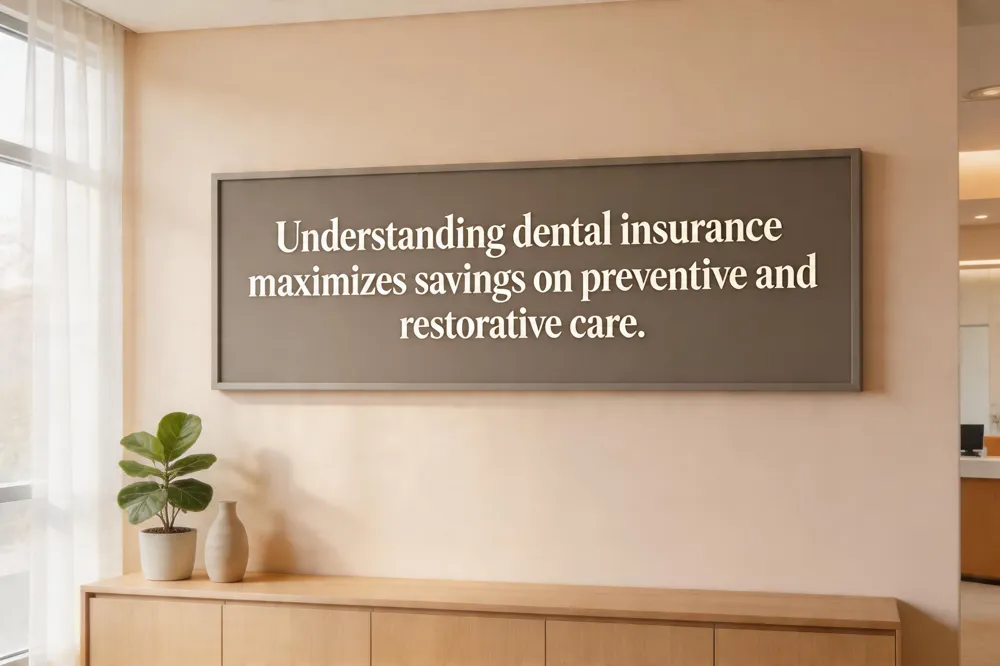 Understanding how dental insurance works can turn routine care into real savings. Preventive coverage usually includes cleanings, exams, X‑rays and sometimes sealants, and most plans pay 100 % after any deductible. This means you can receive twice a year or cancer maintenance with no out‑of‑pocket cost, which helps catch cavities, gum disease or oral cancer early—often before they require costly treatment. Restorative coverage covers fillings, simple extractions, root canals and gum‑disease therapy at about 70‑80 % of the usual, and, and reasonable (UCR) fee, while major services such as crowns, bridges, dentures or implants are typically reimbursed at 40‑50 % of UCR. Annual maximums, deductibles and co‑pays vary by insurer, so reviewing your policy is essential.
Health Partners dental plans are offered as separate riders or standalone plans, not automatically bundled with medical coverage. They follow a 100‑80‑50 reimbursement model for preventive, basic and major services, with yearly limits ranging from $1,000 to $2,000. Check your specific plan details or contact Health Partners for exact benefits.
What is covered under dental insurance? Preventive services are usually 100 % covered; basic procedures receive 70‑80 %; major procedures get 40‑50 %. Cosmetic work like whitening is often excluded.
Does Health Partners cover dental? Yes, through distinct dental plans or riders; coverage levels follow the 100‑80‑50 model with annual maximums.
What is the 2‑year rule for dentist? It’s a loose guideline suggesting no more than two years between visits, but most dentists recommend six‑month check‑ups for optimal prevention.
Optimizing Visit Frequency and Exam Types
 When planning dental care, understanding the difference between comprehensive and routine exams is essential. A comprehensive exam is a deep, full‑mouth assessment that includes visual inspection, periodontal probing, digital X‑rays, bite analysis, and oral‑cancer screening. It establishes a baseline of oral health and is typically performed for new patients and then at least once every three years for low‑risk individuals. Routine exams or cleanings, on the other hand, focus on plaque removal, tartar scaling, and a quick visual check; they are recommended every six months to maintain the health established by the comprehensive visit.How often should you get a comprehensive dental exam? A comprehensive dental exam should be performed for every new patient and then at least once every three years for established patients. This thorough evaluation includes digital X‑rays, a tooth‑by‑tooth examination, periodontal assessment, bite analysis, oral‑cancer screening, and a smile analysis. While the comprehensive dental exam sets a baseline for your oral health, routine cleanings and check‑ups are still recommended every six months (or more often if your dentist advises). Maintaining this schedule allows early detection of decay, gum disease, and other issues, helping you preserve a healthy, confident smile. If you have specific risk factors—such as a history of cavities, gum disease, or orthodontic work—your dentist may suggest more frequent comprehensive exams.What is the most common reason for a dental claim denial? The single most frequent cause of a dental claim denial is that the service being billed is not covered under the patient’s insurance plan. This often happens when the provider or patient assumes a procedure is covered without first verifying the specific benefits, leading to a “non‑covered service” denial. Secondary factors such as coding errors, outdated personal information, or missing pre‑authorization can also trigger denials, but they usually stem from the underlying issue of coverage mismatch. To avoid this, both the dental office and the patient should confirm coverage and any required authorizations before treatment begins. Accurate documentation and proper coding then help ensure the claim processes smoothly.
Practical Aspects of Scheduling and Documentation
 When you need to miss work or school for a dental visit, most employers and educational institutions treat the appointment as an excused absence—provided you supply a proper dentist‑issued note. The verification letter should list the practice name, address, license number, your name, the appointment date and time, and the expected return date, which satisfies typical HR or school policies while remaining HIPAA‑compliant. Promptly submitting this documentation avoids penalties and ensures the absence is recorded legitimately.
During the appointment, the dental team creates detailed records that include a visual inspection, periodontal probing, radiographic imaging, and any diagnoses such as cavities, gum disease, or oral cancer. These records form the basis of a personalized preventive care plan and are essential for insurance claims and future treatment decisions.
If postoperative discomfort arises, the 3‑3‑3 rule offers a simple analgesic guideline: take three 200 mg ibuprofen tablets every three hours, but no longer than three days, to control inflammation and pain without exceeding safe dosage limits.
Beyond the Exam: Patient Education and Technology
 Professional cleanings performed during a comprehensive exam remove plaque and tartar that brushing alone cannot reach, lowering the risk of cavities and gingivitis. After cleaning, fluoride treatments are often applied to strengthen enamel and prevent decay. Modern digital imaging—such as low‑radiation X‑rays and intra‑oral cameras—reveals hidden decay, bone loss, and early oral‑cancer lesions with unprecedented clarity, while also reducing patient exposure to radiation. These technologies become powerful teaching tools; dentists can show patients exactly where plaque builds up, how a cavity looks beneath the surface, and why fluoride matters, reinforcing personalized oral‑hygiene instructions.
Routine dental care is the preventive side of oral health, encompassing regular exams, professional cleanings, digital X‑rays, fluoride applications and oral cancer screenings to catch problems early. Basic dental care, on the other hand, addresses issues that have already developed, such as fillings for cavities, simple tooth extractions, scaling and root planing for gum disease, and other minor restorative procedures. The key difference lies in purpose: routine care is proactive and focuses on prevention, while basic care is reactive and aims to repair damage. Insurance plans typically cover routine (preventive) services at a higher percentage because they reduce long‑term costs, whereas basic services often involve more out‑of‑pocket expenses. Both are essential for a healthy, confident smile.
Conclusion
Regular comprehensive dental exams uncover hidden health advantages that go far beyond a clean smile. Early detection of cavities, gum disease, and oral cancer allows minimally invasive, low‑cost treatment, while professional cleaning eliminates stubborn plaque and tartar that brushing alone misses. These visits also reveal early signs of systemic conditions such as diabetes, heart disease, and osteoporosis, giving patients a chance to seek medical care promptly. Advanced imaging and intra‑oral cameras provide precise diagnostics with minimal radiation, and personalized preventive plans—like fluoride treatments and tailored oral‑hygiene advice—help maintain long‑term oral health. Empower Your Smile in Tribeca, NYC, offers state‑of‑the‑art technology and a patient‑centered approach. Schedule your comprehensive exam today to protect your smile and overall well‑being, and ensure a healthier future for you and your family. Visit now and take the first step toward lasting oral vitality.