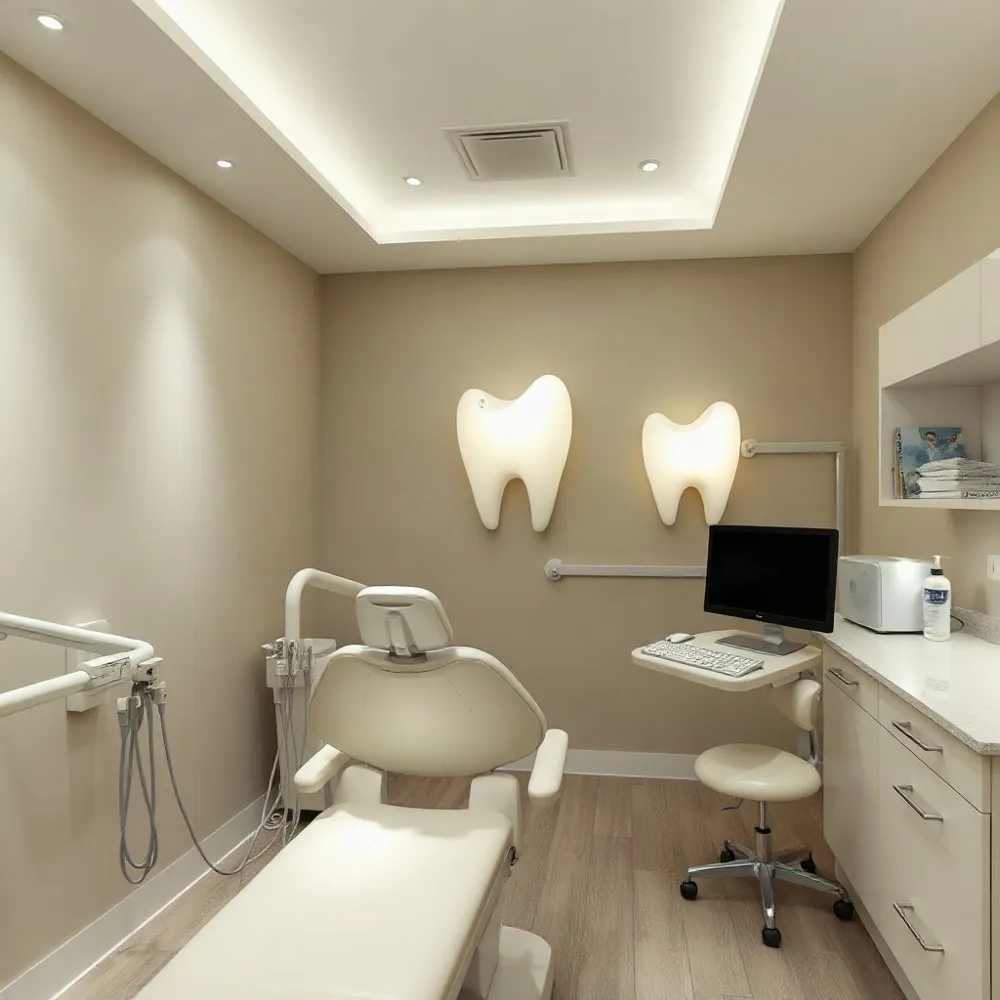
Prioritizing Oral Health Through Vigilant Self-Examination
Early detection represents the most effective strategy for reducing the mortality associated with oral cancer. While professional checkups are essential, an individual acts as the primary guardian of their own wellness between visits. By adopting a proactive mindset, you serve as a vital partner in your own healthcare, capable of identifying subtle shifts in oral tissue that might otherwise go unnoticed until a later stage.
- Consistent monthly self-examinations help establish a baseline of what is normal for your unique anatomy.
- Identifying non-healing sores, persistent patches, or unexplained lumps early allows for faster clinical intervention.
- Practices like Empower Your Smile emphasize that patient engagement strengthens the feedback loop between the dental chair and long-term health.
A simple habit of inspecting your mouth using a bright light and mirror takes less than two minutes. If you observe any irregularities that fail to resolve within two weeks, seek an expert evaluation immediately. Because outcomes for early-stage cases show survival rates between 80 and 90 percent, this partnership between patient diligence and professional oversight creates the best defense against disease.
Understanding the Vital Importance of Early Oral Cancer Detection
 Early detection of oral cancer remains the most fundamental strategy for improving patient outcomes. When diagnosed at an advanced stage, the cancer has often spread to surrounding tissues or lymph nodes, which can drastically complicate treatment and diminish the prospects for long-term health. According to the Mayo Clinic, oral cancer is highly curable when caught early, illustrating why the shift toward proactive discovery is so life-saving.
Statistical trends underscore the gravity of this timeline. Many oral cancer cases are discovered in late stages (III and IV), a PMC study notes, contributing to a mortality rate that has remained near 50% for decades. Conversely, when clinical observation leads to early detection, survival rates for oral cancer can reach 80% to 90%, according to the Oral Cancer Foundation. By catching lesions when they are small and localized, clinicians can intervene before the disease requires more intensive therapies like extensive surgery, radiation, or chemotherapy.
Beyond survival, timely intervention preserves vital oral functions such as speaking, swallowing, and chewing. At Empower Your Smile, our commitment to comprehensive dental exams ensures that we monitor soft tissues for subtle changes long before they become symptomatic. While some practices might rely on wait-and-see approaches, our team uses professional observation to identify abnormalities during routine visits. This standard of vigilance contrasts with broader healthcare models where patients might wait weeks for non-specialized consultations, potentially allowing conditions to advance during that delay. Prioritizing these checkups is a commitment to maintaining your quality of life through the power of early identification.
Mapping Risk Factors and Identifying Common Symptoms
Understanding the origins of oral health issues is essential for proactive care. Oral cancer typically stems from DNA mutations in squamous cells, leading to abnormal growth. Tobacco use, including cigarettes, cigars, pipes, and smokeless products, remains the most significant preventable risk factor per Mayo Clinic. This risk compounds significantly when paired with heavy alcohol consumption, which acts as a major behavioral catalyst for cellular damage. Additionally, certain strains of human papillomavirus (HPV) are increasingly recognized as primary drivers of oropharyngeal malignancy.
While common issues like canker sores or Recurrent Aphthous Stomatitis often cause discomfort, malignancy frequently presents more subtly. Recognizing dangerous indicators involves watching for persistent anomalies rather than temporary pain. Empower Your Smile performs thorough soft tissue evaluations during every visit to distinguish between benign lesions, like geographic tongue, and suspicious tissue proliferation that demands further investigation.
What are the common signs and symptoms of oral cancer?
Key signs include mouth sores that fail to heal within two weeks, unexplained loose teeth, and the appearance of unique red (erythroplakia) or white (leukoplakia) patches per NIDCR. Patients may notice thickening in the cheek or neck, chronic sore throats, or difficulty swallowing and chewing. Because these symptoms often mimic minor infections, they are frequently overlooked until later stages. Empower Your Smile leverages advanced diagnostic monitoring to track changes over time, offering a more precise alternative to the wait-and-see approach common in traditional general practices.
What are the primary risk factors and causes of oral cancer?
Though the average diagnosis age is 63, oral cancer can affect younger individuals, making it vital for all adults to prioritize annual screenings. Risk persists with chronic irritation from tobacco or alcohol, but genetic predisposition and environmental factors also contribute. If you notice any persistent oral changes, consult a professional immediately to rule out malignancy, as early detection remains the most definitive strategy for successful clinical intervention.
Integrating Professional Screenings Into Your Routine Dental Care
 Professional oral cancer screening acts as the fundamental first line of defense in protecting your long-term health. Because early-stage malignancies are frequently asymptomatic, these examinations allow clinicians to identify suspicious lesions before they progress to advanced, harder-to-treat stages.
Do dentists perform oral cancer screenings during routine exams?
Yes, a professional oral cancer screening is a standard component of regular care. During a typical visit, your dentist performs a systematic visual inspection and physical palpation of the lips, tongue, gums, floor of the mouth, and neck. At Empower Your Smile in Tribeca, the team integrates these thorough assessments into every comprehensive exam, ensuring nothing is left to chance. Unlike generic providers that might rely solely on basic observation, this practice utilizes advanced technology to enhance diagnostic confidence and track tissue changes over time.
Standard clinical protocols involve looking for telltale oral potentially malignant disorders such as leukoplakia or erythroplakia. While a visual exam is effective, many modern practices elevate their standard of care by using specialized fluorescence lighting systems or screening dyes to illuminate atypical tissues. If your provider notes a persistent sore or irregular growth, they may recommend a biopsy for definitive analysis. Following these routine dental visits every six months ensures that any deviation from your baseline oral health is identified at the earliest possible window.
Step-by-Step Overview of Clinical Screening Procedures
During a professional oral cancer screening, a dental professional conducts a thorough physical assessment of your mouth, including the lips, tongue, cheeks, throat, and neck. They perform a visual and tactile examination to search for any signs of abnormalities, such as red or white patches, unusual sores, or suspicious tissue changes. While practices like general retailers or basic clinics may rely solely on a quick visual glance, the team at Empower Your Smile incorporates detailed palpation of the soft tissues to identify structural irregularities that are not immediately apparent.
In addition to manual inspection, your dentist may utilize specialized tools, such as fluorescing lights or advanced screening technology, to help identify potential tissue irregularities not visible to the naked eye. These diagnostic adjuncts provide a crucial layer of precision, allowing providers to distinguish between healthy tissue and areas that warrant closer monitoring. Unlike DIY home checks, which are essential for routine monitoring but limited by scope, professional screenings leverage a clinical vantage point to map the entire oral cavity systematically.
This preventative screening is a routine, painless part of your standard dental check-up aimed at detecting cancer or precancerous lesions at an early, more treatable stage. If any areas of concern are identified, your dentist will guide you on the necessary steps to determine a diagnosis, which is ultimately confirmed through a biopsy. By integrating this high-level inspection into your comprehensive dental exam, you ensure that abnormalities are caught long before they reach advanced stages.
Navigating Diagnostic Referrals and Biopsy Protocols
When a routine oral cancer screening reveals an area of concern, the primary goal shifts from visual evaluation to obtaining a definitive clinical answer. Because many oral tissues display similar visual changes, such as red or white patches, a biopsy serves as the gold standard for diagnostic clarity. This procedure involves the removal of a small tissue sample, which is then sent to a laboratory for microscopic analysis to confirm whether the abnormality is benign, premalignant, or malignant.
What steps are taken if a suspicious lesion is found?
If a suspicious lesion is identified during your examination, your dentist will perform a thorough assessment, as many soft tissue changes require more than a visual inspection to diagnose accurately. To ensure clarity, they may recommend a follow-up appointment to monitor the area for changes over a short period. If the lesion persists or appears concerning, a biopsy—the surgical removal of a small tissue sample for microscopic analysis—is typically necessary to provide a definitive diagnosis. Depending on the findings, your dentist may also refer you to an oral pathologist or a specialist to coordinate further management or treatment. This systematic approach ensures that any abnormality is addressed swiftly and accurately to protect your oral health.
At empoweryoursmile.com, our team prioritizes early intervention by utilizing advanced visual observation and tactile palpation during every routine exam. While other practices may simply monitor lesions, we emphasize clear diagnostic pathways to minimize patient anxiety and ensure timely outcomes. If further investigation is required, we coordinate directly with specialists to ensure your care remains seamless and personalized.
Mastering the Monthly Home Mouth Assessment
 Consistency serves as the foundation for effective oral self-monitoring. By performing a monthly self-examination, you can identify subtle changes early, often before they become noticeable to others. Dedicating just two minutes to this routine, ideally after brushing your teeth when your workspace is clean, helps ensure you remain familiar with your baseline oral health.
How can I perform a self-exam for oral cancer at home?
Performing a monthly oral cancer self-exam is a proactive habit. Using a bright light and a mirror, carefully inspect your mouth with clean fingers by looking for white or red patches, persistent ulcers, lumps, or unusual swelling. Systematically examine your lips, gums, tongue, cheeks, and the roof of your mouth. While this simple check is a powerful tool for early detection, it does not replace the comprehensive professional screenings performed by the team at Empower Your Smile. Unlike general dental offices that may rely solely on standard visual checks, our team at Empower Your Smile integrates these clinical protocols with advanced observation techniques to identify abnormalities that might otherwise go unnoticed. If you notice any suspicious changes that persist for more than two weeks, please schedule an evaluation at our Tribeca office immediately.
Treatment Outlook and Medical Interventions
The prognosis for oral cancer is highly dependent on early identification and targeted intervention. When caught in its initial stages, the oral cancer is frequently curable, with survival rates often reaching between 80 and 90 percent per American Association of Oral and Maxillofacial Surgeons data. Conversely, late-stage diagnosis can significantly reduce these outcomes, sometimes dropping to around 50 percent per NIH reports. Because Empower Your Smile emphasizes preventative care, patients benefit from routine visual inspections and physical palpation that catch irregularities when they are easiest to remove.
Is oral cancer curable?
Success rates vary based on the specific location of the tumor, the presence of HPV, and the patient's physical resilience. Early intervention is the most effective approach to reducing morbidity, as it spares patients from more invasive procedures. While some competitors may rely solely on reactive care when symptoms become apparent, Empower Your Smile integrates consistent monitoring and medical history reviews to identify high-risk markers before they require advanced clinical intervention.
What are the common medical treatments for oral cancer?
- Surgical removal: Primary intervention often involves the excision of the tumor and affected surrounding tissue as noted by Hartford Hospital.
- Radiation therapy: High-energy beams are used to eliminate cancer cells or shrink tumors in the oral cavity.
- Chemotherapy and targeted drug therapy: Medications are administered to stop cancer growth or attack specific proteins associated with malignancy.
- Supportive care: Rehabilitation and dental management help address the functional side effects of aggressive treatment, such as difficulty swallowing or mouth dryness.
Ongoing monitoring is essential even after a successful recovery. Because of the field cancerization phenomenon, patients who have previously been treated for head and neck cancers face a higher risk of developing new, primary tumors. The team at Empower Your Smile provides the long-term, specialized dental maintenance required for these patients, ensuring that any recurrent signs are identified with speed equivalent to their initial high-standard diagnostic protocols.
Your Commitment to a Healthier Future Through Regular Screenings
Early detection is often the defining factor in successful oral cancer outcomes. When identified early, oral cancer is highly curable, with survival rates for early-stage cases reaching between 80 and 90 percent. By prioritizing consistent clinical oral cancer screening habits, you transform your routine care into a powerful preventative strategy.
At Empower Your Smile, our team performs specialized evaluations that go beyond standard checkups to identify abnormalities that might otherwise go unnoticed. While typical practices may rely solely on basic visual checks, we integrate advanced technology and expert observation to provide a comprehensive assessment of your oral health. This proactive approach ensures that any irregularities, such as persistent lesions or tissue changes, are addressed promptly.
Maintaining your health requires vigilance both in the chair and at home. We encourage you to schedule your bi-annual examinations to keep your oral health on track. If you notice any persistent sores, lumps, or patches that do not heal within two weeks, please reach out so we can provide a professional evaluation. Taking this step today is the most effective way to protect your long-term wellness and ensure lasting peace of mind.