
Why Jawbone Health Is the Foundation of a Lasting Smile
The Biological Cascade That Begins When a Tooth Is Lost
When a tooth is removed, the jawbone that once supported it loses its primary source of stimulation. The root of a natural tooth transmits forces from chewing directly into the bone, signaling the body to maintain bone density and structure. Without this signal, the body begins a process called resorption, where the jawbone deteriorates because it is no longer needed.
This process does not wait. Studies show that up to 25% of bone width can be lost within the first year after extraction. The most significant changes occur in the first 18 months, but the deterioration continues at a slower pace for a lifetime. This bone loss is painless, making it easy to ignore until visible changes begin to appear.
How Dental Implants Recreate the Missing Stimulus
Dental implants are the only tooth replacement option that addresses the root problem. A small titanium post is surgically placed into the jawbone, where it fuses through a process called osseointegration. Once integrated, the implant acts as an artificial tooth root, transmitting chewing forces directly into the bone. This mechanical loading signals the body to keep the bone active and dense.
Clinical research confirms that implants preserve bone levels remarkably well over time. While adjacent sites without implants continue to shrink, implant-supported sites show minimal to no vertical bone loss even after a decade. This makes implants not just a replacement for a missing tooth, but a therapeutic tool for maintaining the jawbone itself.
Why Preserving Bone Protects Your Facial Structure
The jawbone is the scaffold that supports the lower third of the face. When it shrinks after tooth loss, the consequences extend far beyond the mouth. A sunken appearance around the cheeks and lips, deeper wrinkles, and an aged look are all direct results of underlying bone loss. Over time, the distance between the nose and chin shortens, and the chin may rotate forward.
By preserving jawbone volume, dental implants maintain the natural contours of the face. They support the lips and cheeks, preventing the collapsed look that often accompanies missing teeth. This is why early intervention matters. Placing an implant soon after extraction can preserve the socket's shape and eliminate the need for more complex bone grafting later.
Building a Foundation That Lasts
A successful implant relies on sufficient bone density at the time of placement. If bone quality is inadequate, modern techniques such as bone grafting, sinus lifts, or ridge augmentation can rebuild the foundation. Once the implant is placed and integrated, consistent biting forces continue to stimulate remodeling, reinforcing the bone-implant bond.
The result is a permanent restoration that not only replaces the visible tooth but actively works to keep the jawbone healthy. This preservation of underlying structure is what makes dental implants a long-term investment in both oral health and overall facial appearance. Understanding this connection helps patients see implants not as a cosmetic luxury, but as a fundamental part of maintaining a healthy, functional, and youthful smile.
Endosteal Implants vs. Osseointegration – Clearing Up the Confusion
 The terms endosteal implant and osseointegration are often used interchangeably, but they describe distinct concepts essential to modern implant dentistry.
Defining Endosteal Implants
An endosteal implant is the most common type of dental implant. It is a screw-shaped post, typically made of titanium, that is surgically placed directly into the jawbone. This post acts as an artificial tooth root, providing the foundation for a replacement tooth or bridge. The implant itself is the physical component inserted into the bone.
Understanding Osseointegration
Osseointegration is not a device; it is a biological process. It describes the direct structural and functional connection between living bone and the surface of a load-bearing artificial implant. After an endosteal implant is placed, bone cells grow and attach to the implant's surface, creating a strong, permanent bond. Successful osseointegration is what makes the implant stable and able to withstand chewing forces.
Why the Terms Are Not Interchangeable
An endosteal implant is the hardware, while osseointegration is the healing process that solidifies it. An endosteal implant is placed into the bone, but it only becomes a truly stable and functional root substitute once osseointegration has occurred. You cannot have a stable, long-term implant without osseointegration, but the implant itself is not synonymous with the biological bonding process.
Bone Density Classifications
The provided sources do not contain the specific D1, D2, D3, and D4 bone density classifications for dental implants. These classifications are a clinical tool used to describe bone quality and predict implant success, but that detailed information was not available in the reference material. For a complete understanding of how bone type influences implant planning, further research would be necessary.
| Term | Definition | Role in Implant Dentistry |
|---|---|---|
| Endosteal Implant | A titanium screw placed into the jawbone. | Acts as the artificial tooth root and structural anchor. |
| Osseointegration | The biological fusion of bone to the implant surface. | Provides stability and long-term fixation of the implant. |
| Bone Density (D1-D4) | A clinical classification of bone quality. | Guides implant selection and need for grafting procedures.* |
*Note: D1-D4 classifications were not provided in the source material.
In summary, while both terms are critical, an endosteal implant is the post, and osseointegration is the vital process that integrates it into the jaw for lasting function.
From Extraction to Preservation: How Implants Halt Jawbone Resorption
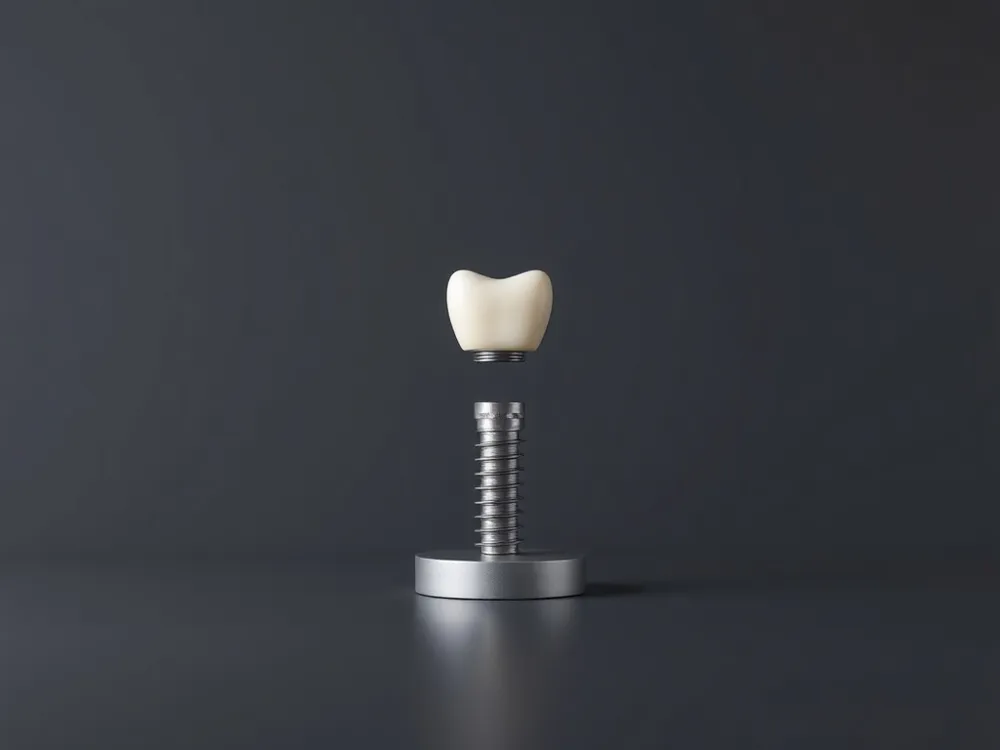 The jawbone begins to change rapidly after a tooth is lost. Because the tooth root, which normally transmits chewing forces, is gone, the bone no longer receives the stimulation it needs to maintain its density. This triggers a process called jawbone resorption, where the body gradually breaks down and absorbs the bone tissue.
The Timeline of Bone Loss After a Tooth is Lost
Bone loss can begin within months of an extraction. Research shows that up to 25% of bone width can be lost within the first year, with the most significant changes occurring in the first 18 months. This loss is progressive, continuing at a slower rate for a lifetime if left untreated. Changes to facial structure, including a sunken appearance around the cheeks and lips, often become noticeable over time.
Implant-Driven Mechanical Stimulation of the Alveolar Ridge
Dental implants are the only tooth replacement that directly addresses this bone loss. A titanium post is surgically placed into the jawbone, acting as a new root. Through a process called osseointegration, the bone fuses to the implant's surface. Once integrated, the implant transmits the forces of biting and chewing directly into the jawbone, mimicking the natural stimulation that signals the body to preserve and maintain bone density.
Early Placement to Avoid Rapid First-Year Loss
The timing of implant placement is critical. Placing an implant soon after extraction—ideally within the first 6 to 12 months—can lock in existing bone volume and prevent the rapid loss that occurs early on. Early intervention preserves the natural shape of the alveolar ridge, often eliminating the need for additional bone grafting procedures.
What Patients Feel During the Osseointegration Phase
During the osseointegration phase, which typically takes 3 to 6 months, patients do not feel the implant fusing with the bone. It is common, however, to experience some temporary discomfort. Most patients report mild to moderate soreness, tenderness, or swelling around the surgical site, similar to the feeling after a tooth extraction. This discomfort is generally well-managed with over-the-counter pain relievers and subsides as healing progresses. The process is painless in terms of bone integration, and the long-term benefit of a stable, natural-feeling restoration is considered well worth the temporary post-surgical sensation.
| Aspect | Description | Key Outcome |
|---|---|---|
| Bone Loss Timeline | Up to 25% width loss in the first year; progressive if untreated | Facial changes, compromised bone for future implants |
| Implant Stimulation | Titanium post mimics tooth root; transmits chewing forces | Maintains bone density; prevents resorption |
| Early Placement Benefit | Implant placed soon after extraction | Preserves existing bone; often avoids need for bone grafting |
| Osseointegration Sensation | Temporary mild soreness/swelling; no pain from bone fusion | Discomfort managed with OTC pain relief; subsides over time |
Measuring and Meeting the Bone Requirements for Implant Success
Before a dental implant can be placed, a dentist must thoroughly evaluate the jawbone to ensure it can support the fixture. This assessment is critical for determining implant candidacy, planning the procedure, and predicting long‑term success.
How CBCT and Panoramic X‑Rays Evaluate Density and Volume
Advanced imaging is the cornerstone of modern implant planning. Cone Beam Computed Tomography (CBCT) creates a detailed 3D model of the jaw, allowing dentists to measure bone density—often using Hounsfield Unit(HU) values—and precisely assess bone volume, height, and width. While Panoramic X‑rays provide a broader, two‑dimensional overview, they are less precise for density measurement and are often used as an initial screening tool before a CBCT is ordered.
Impact of a T‑Score of –2.7 on Implant Planning
A T‑score of –2.7 indicates osteoporosis, meaning bone density is significantly lower than that of a healthy young adult. This is a critical factor for implant candidacy. Osteoporotic bone is fragile and may not achieve the necessary primary stability during implant placement, raising the risk of osseointegration failure. For patients with a T‑score of –2.7, a standard implant may not be possible without first performing a bone graft to build up the jaw. In some cases, alternative restorations, such as implant‑supported dentures with fewer, strategically placed implants, might be considered to improve the prognosis.
Minimum Bone Height Guidelines for Standard and Short Implants
Adequate bone height is essential for implant stability. General guidelines are as follows:
| Implant Type | Minimum Bone Height Requirement | Common Application |
|---|---|---|
| Standard Implants | 8–10 mm | Most single‑tooth and multi‑unit cases in the mandible and maxilla. |
| Short Implants (6 mm or less) | 6 mm | Posterior regions with limited vertical bone, often avoiding a sinus lift. |
Short implants can be a valuable option in areas with reduced bone height, but they require adequate bone width and bone quality to ensure stability. The final decision is always made after analyzing the CBCT scan.
When to Consider Bone Grafting or Alternative Implant Designs
If imaging reveals insufficient bone density or volume, a dentist will discuss options to create a stronger foundation.
- Bone Grafting: This is the most common solution. A graft (from the patient, a donor, or synthetic material) is placed to regenerate lost bone and prevent bone loss. This adds 4–9 months to the treatment timeline for healing and integration. It is often the preferred route for patients with localized bone loss or moderate systemic osteoporosis.
- Alternative Implant Designs: For cases of severe, generalized bone loss, alternative approaches may be more appropriate:
- Zygomatic Implants: Longer implants that anchor into the dense cheekbone (zygoma), bypassing the compromised maxilla.
- Subperiosteal Implants: A metal framework placed on top of the jawbone, under the gum, used when there is not enough bone height for a traditional implant.
Choosing between grafting and an alternative design depends on the extent of bone loss, the patient's overall health, and their treatment goals. The primary objective is to select a pathway that provides a safe, stable, and long‑lasting result.
Cost, Care, and Special Considerations – Making Implants Work for You
What is the typical cost range for dental implants in the United States?
The total cost for a single dental implant restoration in the U.S. typically ranges from $3,000 to $6,000. This fee usually covers the surgical placement of the implant post, the abutment, and the custom crown. However, the final price can be higher depending on your specific needs and geographic location.
How do bone grafting or sinus lifts add to the budget?
If your jawbone lacks sufficient bone density or volume, preparatory procedures are necessary. Bone grafting can add $2,000 to $5,000 or more per site. A sinus lift, often needed for the upper jaw, can cost between $1,500 and $5,000. While these procedures increase the upfront investment, they are essential for creating a stable foundation and preventing future implant failure.
What lifestyle habits protect bone after surgery?
Protecting the bone around your new implant relies on consistent care. This includes meticulous oral hygiene—brushing twice daily and flossing—along with regular dental check-ups. A diet rich in calcium and vitamin D supports bone health, while avoiding smoking is critical, as it dramatically increases the risk of implant-related bone loss and failure.
Can individuals with autoimmune diseases get dental implants?
Autoimmune conditions like lupus can affect healing and osseointegration but do not automatically disqualify a patient. Success depends on effective disease management, adequate bone health, and a thorough evaluation by a specialist to assess individual risks. Many patients with well-controlled conditions achieve successful, long-lasting implant outcomes.
| Consideration | Typical Cost Range | Key Points |
|---|---|---|
| Single Implant Restoration | $3,000 - $6,000 | Includes post, abutment, and crown. Final cost varies by location and complexity. |
| Bone Grafting | $2,000 - $5,000+ per site | Builds bone volume for stable implant placement. |
| Sinus Lift | $1,500 - $5,000 | Increases bone height in the upper jaw. |
| Lifestyle for Bone Health | N/A | Requires diligent oral hygiene, a balanced diet, and avoiding smoking. |
| Autoimmune Conditions | Varies | Requires careful medical and dental coordination for successful outcomes. |
Beyond Bone: The Aesthetic Edge of Implant Dentistry

The 50‑40‑30 Rule for Harmonious Front‑Teeth Proportions
The golden ratio of a captivating smile often starts with the 50‑40‑30 rule. This aesthetic guideline defines ideal width‑to‑length ratios for the upper front teeth: the central incisors should be 50% as wide as they are long, the lateral incisors 40%, and the canines 30%. Dentists use these proportions when designing crowns or veneers for implant restorations, ensuring the final result looks naturally balanced and pleasing. While this rule is a starting point, your dentist will adjust the numbers to match your unique face shape and smile line for a personalized, harmonious result.
How Implants Preserve Facial Contours and Prevent a Sunken Appearance
Beyond replacing missing teeth, dental implants act as a biological anchor for your entire face. By fusing with the jawbone through osseointegration, the titanium post delivers the continuous chewing stimulation needed to prevent bone resorption. This preservation of jawbone volume supports the overlying soft tissues, maintaining natural cheek and lip contours. Unlike removable dentures, which can accelerate bone loss and lead to a sunken, prematurely aged look, implants actively maintain the facial scaffolding, keeping your appearance fuller and more youthful.
Boosting Confidence Through Stable, Natural‑Looking Restorations
The psychological impact of a stable, natural‑looking smile is profound. Patients with dental implants report significantly improved self‑confidence and self‑esteem because their restoration looks, feels, and functions like a natural tooth. The secure fit eliminates the social anxiety of slipping dentures or visible gaps, allowing individuals to smile, speak, and eat in public without hesitation. This renewed confidence often translates into better social interactions and overall quality of life.
Integrating Smile Design with Bone‑Preserving Implant Therapy
Modern implant dentistry seamlessly combines aesthetic artistry with biological science. During the initial consultation, advanced imaging like 3D CT scans assesses bone volume and density, while the dentist also evaluates your facial features and smile design. The surgical plan can include bone grafting if needed to create a sturdy foundation, while the final crown is crafted to match your natural tooth proportions—including the 50‑40‑30 rule—for a balanced appearance. This integrated approach ensures the implant not only restores jawbone health but also delivers a beautiful, confident smile that lasts a lifetime.
| Aspect | Aesthetic Contribution | Bone‑Preserving Action |
|---|---|---|
| 50‑40‑30 Rule | Guides ideal width‑to‑length ratios for natural‑looking crowns | Provides a framework for cosmetic restoration design |
| Facial Contour | Maintains cheek and lip support, preventing a sunken look | Stimulates jawbone via osseointegration to prevent resorption |
| Patient Confidence | Eliminates social anxiety, enabling natural smiling and speaking | Secures stable foundation that feels like a natural tooth |
| Treatment Planning | Tailors crown shape, size, and shade to facial features | Uses CBCT scans to assess bone density before implant placement |
Implants: A Dual Solution for Teeth and Bone
Implants: A Dual Solution for Teeth and Bone
Dental implants stand alone in their ability to stop bone loss by mimicking a natural tooth root. Through osseointegration, they transmit chewing forces to the jawbone, prompting it to maintain or even rebuild density. This process preserves facial structure and prevents the sunken appearance associated with tooth loss.
Early evaluation is critical. Advanced imaging like CBCT scans assess bone quality, allowing for a personalized plan. For patients with insufficient density, procedures like bone grafting can create a strong foundation, making implants a viable option for nearly everyone.
At Empower Your Smile, we empower patients to choose solutions that actively safeguard their long-term oral health. By understanding how implants preserve bone, patients can make informed decisions for a confident, lasting smile. This understanding is the first step towards preserving both your smile and your underlying bone health for years to come.