Why Daily Care Matters
Veneers, whether porcelain or composite, can last 10‑20 years when properly maintained, but their longevity hinges on daily habits. Consistent oral hygiene—brushing twice with a soft‑bristled brush and non‑abrasive fluoride toothpaste, flossing or using interdental cleaners, and rinsing with an alcohol‑free mouthwash—removes plaque that would otherwise erode the bonding material and weaken the underlying tooth structure. By keeping the interface clean and free of bacterial acids, you protect the veneer’s integrity, prevent gum recession, and preserve the smile’s appearance for years to come.
Build a Strong Foundation: Core Oral Hygiene
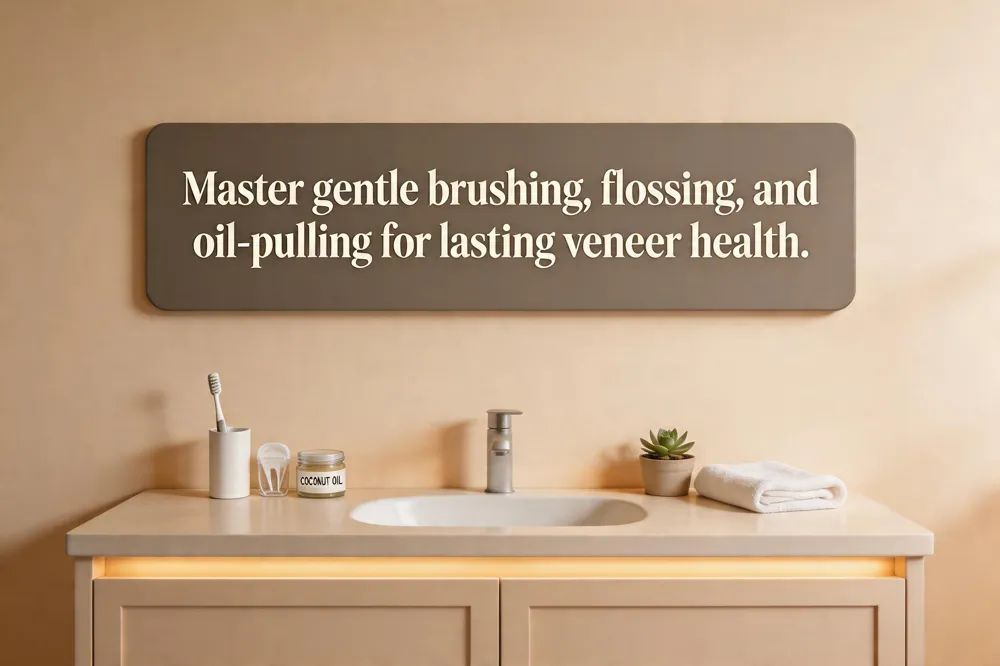 A solid oral‑hygiene routine is the backbone of long‑lasting veneers. Use a soft‑bristled brush and gentle circular motions, brushing twice a day for two minutes with a non‑abrasive, fluoride‑based toothpaste to avoid scratching the porcelain. Floss or employ interdental brushes daily to clear plaque from the veneer margins and prevent gum recession that can expose the bond. For an extra cleanse, oil‑pull for 2‑5 minutes with coconut or sesame oil, then rinse with water, floss, and brush; finish with an alcohol‑free, fluoride mouthwash to seal the clean.
Importance of oral hygiene in daily life – Good oral care removes plaque, prevents decay and gum disease, and protects the bonded veneer interface, keeping the smile bright and the restoration durable.
Oral health tips for adults – Brush twice daily, floss nightly, limit sugary/acidic foods, stay hydrated with fluoridated water, avoid tobacco, and schedule professional cleanings every six months.
10 ways to keep your teeth healthy – (1) Brush with a soft brush and fluoride paste; (2) Floss or water‑floss daily; (3) Use antibacterial mouthwash; (4) Limit sugary/acidic intake; (5) Visit the dentist regularly; (6) Chew sugar‑free gum; (7) Stay hydrated; (8) Eat enamel‑protective snacks; (9) Wear a night guard if needed; (10) Maintain regular dental check‑ups.
Oral hygiene routine order (including oil pulling) – Morning: tongue scrape → oil‑pull → floss → brush → fluoride mouthwash. Evening: repeat without oil‑pull, ending with mouthwash if desired.
Protect the Surface: Daily Do’s and Don’ts for Veneers
 Correct brushing pressure and brush type – Use a soft‑bristled toothbrush and apply only light, circular motions. Non‑abrasive, fluoride‑based toothpaste cleans without scratching porcelain or composite surfaces. Gentle flossing techniques – Floss daily with waxed or PTFE floss, sliding it gently between teeth and under the veneer margins to remove plaque without pulling at the bond. Avoiding hard or sticky foods – Steer clear of ice, hard candy, pens, popcorn kernels, caramel, and other tough items that can chip, crack, or loosen veneers. Also limit very acidic or highly pigmented drinks (coffee, tea, red wine) by rinsing with water or using a straw. Night‑guard sports mouthsummer use – Wear a custom‑fitted night guard if you grind (bruxism) and a sports mouthguard during high‑impact activities to absorb forces that could cause micro‑cracks or debonding.
Do’s and don’ts with veneers: Do brush twice daily , floss gently, use fluoride rinse if advised, and avoid acidic foods for 30 minutes after placement. Don’t use teeth as tools, chew hard objects, grind without a guard, skip professional exams, or use over‑the‑counter whitening strips.
Porcelain veneer maintenance routines: Brush twice daily with a soft brush and fluoride toothpaste, floss gently, limit staining foods, wear a night guard if needed, and see the dentist every six months for cleanings and early repairs.
How to make veneers last longer: Maintain excellent oral hygiene, avoid hard or sticky foods, limit staining and acidic beverages, use a night guard for grinding, and schedule regular professional cleanings and bite checks.
Long‑Term Outlook: What Happens After Decades
 After two decades, natural aging of the teeth and gums often leads to gum recession, which can expose the edges of your porcelain veneers and affect the smile’s appearance. While the porcelain itself remains strong, it may show slight discoloration or become more prone to chipping if oral‑hygiene habits decline. The bonding cement can also weaken over time, increasing the risk of a veneer loosening or debonding. Regular examinations and cleanings every six months allow the dentist to polish, repair, or replace veneers before they become a cosmetic or functional problem. Porcelain veneers generally last 10‑15 years, and with excellent oral hygiene and regular check‑ups many patients enjoy even longer durability—some report 20‑30 years of use. Composite veneers are less durable, typically lasting 5‑7 years, though careful care can extend their lifespan to around 10 years. Veneers are bonded after irreversible enamel removal, so they are a long‑term solution but not permanent; the bond may weaken, surfaces can stain, and gum changes may expose margins, eventually requiring replacement. Consistent daily care—brushing with a soft‑bristled, non‑abrasive toothpaste, flossing, avoiding hard foods, and using a night guard for bruxism—combined with professional maintenance maximizes veneer longevity.
Planning the Perfect Smile: The 4‑8‑10 Rule and Clinical Considerations
 What is the 4‑8‑10 rule for veneers?
The 4‑8‑10 rule is a quick planning guideline that helps dentists estimate how many porcelain veneers a patient may need for a harmonious smile. Four veneers cover the two central incisors and the two lateral incisors, providing a minimal front‑tooth makeover. Eight veneers extend the coverage from canine to canine, creating balanced symmetry across the visible “smile zone.” Ten veneers reach the first premolars, which is ideal for broader smiles where teeth beyond the canines are visible. Because the rule is a guideline, not a strict law, the final count is tailored to each patient’s smile width, tooth shape, gum line, and aesthetic goals during the consultation.
Why do dentists advise against veneers?
Dentists may advise against veneers when the underlying tooth structure is compromised. Placement requires the irreversible removal of a thin enamel layer, which can increase sensitivity and limits future treatment options for decay or discoloration. Existing gum disease, large cavities, severe enamel erosion, or heavy bruxism also make veneers a risky choice. In such cases, crowns, bonding, orthodontics, or periodontal therapy may provide a more stable, health‑preserving solution. Additionally, the cost and lifelong maintenance of veneers can outweigh benefits for patients with modest cosmetic concerns.
Factors influencing veneer count
Smile width, the amount of visible gum tissue, tooth shape, and the patient’s aesthetic goals all affect how many veneers are needed. A narrow smile may require only four veneers, while a wide smile that shows premolars often calls for ten. Gingival display, occlusal relationships, and the presence of existing restorations also guide the final treatment plan.
Professional Partnerships: Regular Check‑ups and Lifestyle Choices
 Maintaining veneer longevity relies on a partnership between you and your dentist. Schedule professional cleanings and examinations at least every six months; these visits let the clinician remove hardened plaque, polish veneer edges, and spot early signs of chipping, cement discoloration, or underlying decay before they become serious problems. For patients who play sports or grind their teeth at night, a custom‑fitted mouthguard or night guard shields the thin porcelain or composite shells from impact and excessive forces that can cause micro‑cracks or debonding. Fluoride treatments and sealants applied during cleanings reinforce the natural enamel beneath the veneer margins, reducing the risk of secondary decay that could undermine the bond. Finally, stay current on vaccinations such as HPV, which lower the risk of oral cancers that might affect the supporting tissues around veneers. Combining diligent oral‑hygiene habits—twice‑daily brushing with a non‑abrasive fluoride toothpaste, daily flossing, and limiting staining foods—with these professional preventive measures helps ensure your smile stays bright and your veneers last for years to come.
Your Smile, Your Commitment
Maintain vibrant veneers by brushing twice daily with a soft‑bristled toothbrush and non‑abrasive fluoride toothpaste, flossing each evening, and rinsing with an alcohol‑free mouthwash. Avoid hard or sticky foods and limit pigmented drinks, and wear a night guard if you grind. Schedule professional cleanings and exams every six months to catch early issues. Consistent care not only protects your smile’s appearance but also builds lasting confidence in your radiant, healthy grin and ensures long‑term durability for every joyful occasion today.