Are Veneers Right for Your Smile?
Porcelain veneers may suit adults who want to change the appearance of chips, stains, small gaps, or uneven tooth shapes, but a dental exam is needed to assess whether they are appropriate. These custom-made shells are bonded to the front of teeth and are mainly cosmetic; they do not treat tooth decay or gum disease.
The decision depends on your oral health, how much healthy enamel is available, your bite and habits, and the changes you hope to make. Traditional veneer treatment removes some enamel, which does not grow back, so it is a long-term commitment. Cleveland Clinic’s guide to dental veneers explains their uses and limitations.
At Empower Your Smile in Tribeca, Dr. Patricia Moezinia plans cosmetic care with attention to gum health. When periodontal care is relevant, she works with Dr. Nicholas Toscano, a board-certified periodontist, so the supporting gums can be considered alongside appearance.
Learn more about porcelain veneers and discuss your goals and options at an exam. Results vary by patient.
What Can Porcelain Veneers Change?
 Porcelain veneers are thin, custom-made, tooth-colored shells bonded to the front of teeth. They can change the visible surface of a tooth, but they do not treat every dental concern.
Veneers may camouflage chips, cracks, small gaps, stubborn discoloration, small teeth, and uneven or misshapen teeth. They can also make mild alignment concerns look less noticeable, but they do not move teeth or correct a significant bite problem. Cleveland Clinic’s overview of dental veneers explains their cosmetic uses and limits.
Porcelain can reflect light in a way that looks similar to natural enamel and is more stain-resistant than natural teeth, though it can still stain over time. Dr. Patricia Moezinia considers each patient’s goals and tooth health when discussing porcelain veneers at the Tribeca office.
Veneers mainly change appearance; they do not necessarily strengthen or repair a tooth. A copy covers the entire tooth and may be considered when it is bedly damated, while a veneer covers only the front. Dr. Moezinia can assess which option fits the tooth and explain alternatives such as crowns.
Who May Need Another Treatment First?
People with untreated tooth decay or active gum disease may need those concerns treated before cosmetic care. A dental exam can also show whether veneers suit the teeth, bite, and smile goals, or whether another option is a better fit.
Veneers bond to the front of teeth, so the amount and health of the remaining enamel matter. Traditional preparation removes some enamel and is generally irreversible; minimal-prep or no-prep approaches may remove less, but still involve some removal and are not right for everyone. Cleveland Clinic’s veneer guidance explains why a dentist must assess each case.
A deep overbite, significant crowding, or another bite concern does not automatically rule out veneers, but it deserves an individual assessment. Grinding or clenching can place extra force on restorations, so tell your dentist about these habits. For a small chip or other limited concern, dental bonding may be worth comparing.
Dr. Patricia Moezinia considers cosmetic goals alongside tooth condition, while Dr. Nicholas Toscano, a board-certified periodontist, can assess gum and bone support when periodontal health is relevant. At Empower Your Smile in Tribeca, they can plan care together when a case calls for both perspectives.
Who may not be a good candidate for porcelain veneers?
People with untreated decay or active gum disease may need those problems addressed first. Veneers may also be unsuitable if there is not enough healthy enamel for bonding, or if bite concerns or grinding could put them at risk. An exam can assess the teeth, gums, bite, and goals, then compare veneers with alternatives.
How Does Veneer Treatment Work?
 Treatment usually starts with an examination of your teeth and gums. If veneers fit your needs, Dr. Patricia Moezinia will discuss the planned shape and color and explain the preparation involved. At Empower Your Smile in Tribeca, cosmetic planning can account for gum health as well as appearance.
For porcelain veneers, the dentist may remove some enamel to help the shells fit and bond. Impressions are sent to a dental laboratory to make custom veneers. Temporary veneers may be placed while the final ones are made, a process that can take a few weeks, depending on the case.
Enamel removal is irreversible, and veneers may cause sensitivity to hot or cold. They can also loosen or fall off, and may need repair or replacement over time. Cleveland Clinic explains veneer preparation and placement.
At the placement visit, Dr. Moezinia checks the veneers’ shape, color, fit, and your bite before bonding them. Raise any concerns about the planned appearance before final bonding.
There is generally no downtime, and most people can return to normal activities the same day. You can eat and drink once any anesthesia has worn off. Follow your dentist’s instructions, since steps and results vary by person.
How Do Veneers Compare With Bonding?
Dental bonding uses tooth-colored composite resin, a moldable material shaped directly on a tooth. Porcelain veneers are custom-made shells bonded to the front surfaces of teeth. Both can improve appearance, but the right choice depends on the concern, the tooth’s condition, your goals, and your preferences.
Dental bonding may suit a small, localized change, while porcelain veneers may be considered for a different or broader cosmetic plan. Bonding resin can chip or wear, especially under strong biting forces, and may stain over time. It can also need repair or replacement, and a color match may become less consistent if nearby teeth change shade.
Porcelain is generally more stain-resistant than bonding resin, but veneer treatment usually involves preparing some enamel, which is permanent. The two options also differ in how they are made and placed, so neither is the best choice for everyone.
At Empower Your Smile in Tribeca, cosmetic dentist Dr. Patricia Moezinia can assess the teeth and discuss the trade-offs, including how much tooth preparation may be involved. Results vary, and a dental examination is needed to decide whether bonding, veneers, or another approach may fit your needs.
How do porcelain veneers compare with dental bonding? Veneers are custom-made shells, while bonding resin is shaped directly on the tooth. Both can change the appearance of teeth, and suitability depends on the concern and your goals.
What are the drawbacks of dental bonding? It can chip or wear, stain over time, and require repair or replacement. Dr. Moezinia can explain these limits and compare them with the preparation and care involved in veneers.
Book a free consultation at Empower Your Smile in Tribeca or call (212) 274-8338 to discuss your options.
How Long Can Veneers Last?
Porcelain veneers typically last 10 to 15 years with proper care. This is an estimate from sources like Cleveland Clinic, not a guarantee for any one person (Cleveland Clinic’s veneer guide). The natural tooth beneath can still develop decay, so keeping the surrounding teeth and gums healthy matters.
What affects how long your veneers last?
Over time, a veneer may chip, crack, or loosen, and it may need repair or replacement. How well veneers hold up can depend on oral health, bite forces, and habits such as grinding or clenching. Dr. Patricia Moezinia, a cosmetic dentist at Empower Your Smile in Tribeca, evaluates both the cosmetic result and the health of the teeth beneath the porcelain veneers when planning care.
How can you care for your veneers?
Brush at least twice a day with a soft-bristled toothbrush and nonabrasive fluoride toothpaste, floss daily, and keep up with routine exams and cleanings. Follow your dentist’s specific care instructions, since your needs may differ. Dr. Moezinia reminds you that each person’s mouth is different, so personalized guidance matters.
Avoid using your teeth as tools, and take care when eating hard or crunchy foods. Whitening products may scratch veneers, while dark foods and drinks can contribute to staining over time. Veneers are often part of a broader smile makeover plan that Dr. Moezinia customizes for each patient.
Frequently Asked Questions
How long do veneers last? Most last 10 to 15 years with good care, but individual results vary.
Can a chipped veneer be repaired? Small chips may be repaired with composite resin; larger damage often requires a replacement.
Do veneers require special toothpaste? Use nonabrasive fluoride toothpaste to avoid scratching the surface.
Will my teeth decay under veneers? Yes, if plaque builds up along the edges. Daily flossing and professional cleanings reduce this risk.
Can I whiten my veneers? No—whitening agents do not affect porcelain. If you want a brighter smile, discuss replacement options with Dr. Moezinia.
How do I know when my veneers need replacement? Signs include chips, cracks, looseness, or noticeable staining. A checkup with Dr. Moezinia can help decide.
Book a free consultation at Empower Your Smile in Tribeca or call (212) 274-8338 to discuss your veneer care or replacement needs.
What Affects the Treatment Cost?
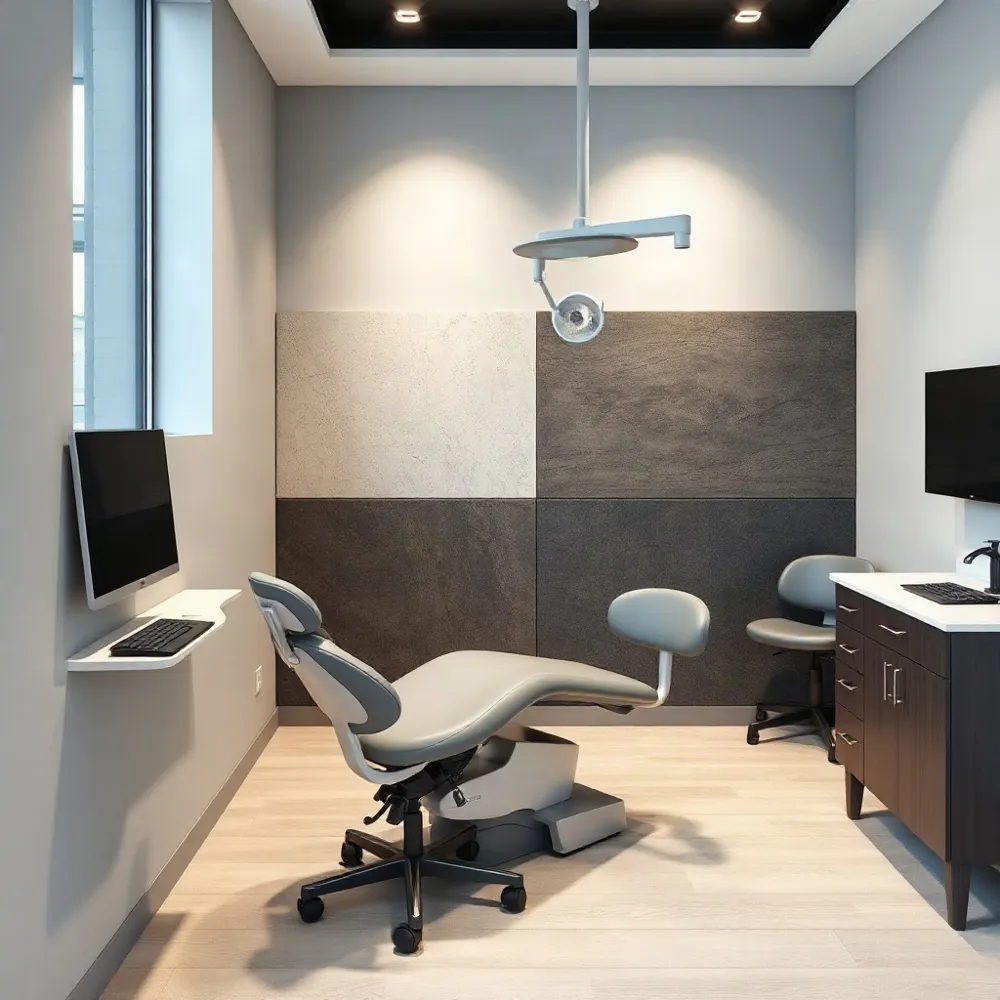 The cost of veneers or dental bonding depends on how many teeth are treated, the material used, and the preparation or repair each tooth needs. An examination helps determine what care is appropriate before fees can be discussed. Dr. Patricia Moezinia will review your specific situation during a consultation.
Veneers are custom-made shells, planned to fit the teeth and then bonded in place. Dental bonding uses tooth-colored resin shaped directly on a tooth. Neither option is right for everyone; the choice depends on the tooth, your goals, and the changes you want.
Veneers are cosmetic, and most insurance plans do not cover them, according to the Cleveland Clinic. Coverage varies by plan, so check your PPO benefits rather than assuming a procedure will be covered.
At Empower Your Smile in Tribeca, the practice accepts PPO insurance and offers financing. Dr. Patricia Moezinia can review your treatment plan and fees after an examination, once she has assessed your teeth and discussed your goals.
What Should You Ask at a Consultation?
Whether veneers are suitable is an individual decision. A dentist should assess your oral health, enamel, bite, habits, and cosmetic goals before recommending veneers or another option. The Cleveland Clinic’s guide to dental veneers explains that veneers improve appearance but do not treat decay or gum disease.
At the Walker Street office in Tribeca, Dr. Patricia Moezinia can discuss cosmetic options, with Dr. Nicholas Toscano, a board-certified periodontist, involved when gum or bone health is relevant.
Veneer questions patients often ask
Can a veneer be repaired? Sometimes, depending on the type and extent of damage. If a veneer feels loose or falls off, contact your dentist promptly. Can the tooth underneath develop decay? Yes, so continue regular oral care and checkups. Ask your dentist how often your veneers should be checked and follow an individual schedule.
Book a free consultation at Empower Your Smile in Tribeca. Call (212) 274-8338.