Transform Your Smile With Custom Porcelain Veneers
Porcelain veneers are thin, custom-made shells designed to cover the front surface of teeth to conceal aesthetic imperfections such as chips, cracks, gaps, discoloration, or misshapen teeth. Dental veneers act as a premier solution for individuals seeking to enhance the visual appeal of their smile without undergoing more invasive restorative procedures.
Unlike traditional crowns, which provide full coverage to protect weakened or damaged tooth structures, porcelain veneers are strictly cosmetic, preserving more of your natural tooth enamel. They offer a highly lifelike result, as the material is crafted to mimic the light-reflecting properties of natural enamel while providing superior stain resistance.
At Empower Your Smile, we understand that a confident smile is deeply personal. Our team provides custom porcelain veneers tailored to your unique dental anatomy and aesthetic goals. By combining advanced clinical precision with a patient-centered approach, we ensure that every enhancement integrates seamlessly with your facial features, delivering a result that looks and feels entirely natural.
Understanding the Pros and Cons of Veneer Treatment
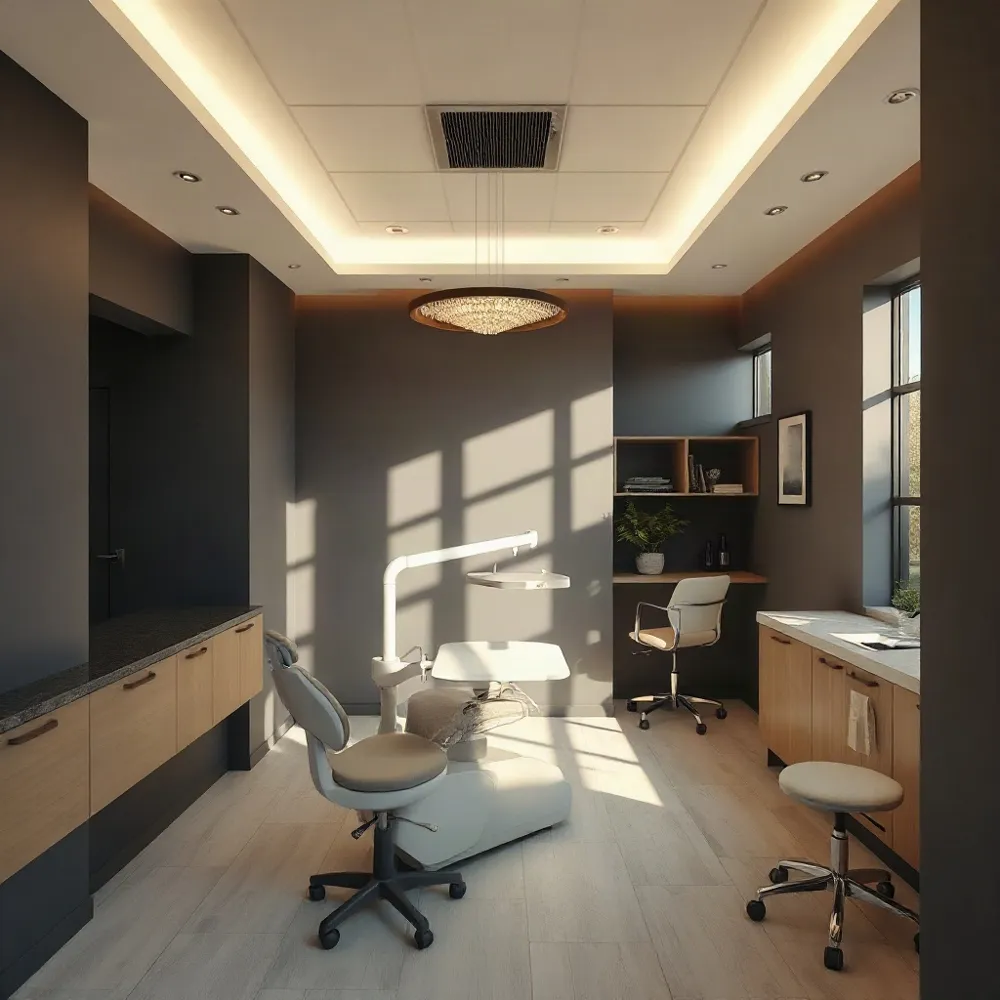 Choosing to improve your smile with porcelain veneers involves weighing significant aesthetic benefits against the reality of a permanent dental commitment. These custom-crafted shells are highly regarded for their versatility, as they effectively address a wide range of concerns including persistent discoloration, chips, cracks, and minor gaps. By reflecting light in a way that mimics natural enamel, they provide a lifelike appearance that can make a smile appear straighter and more uniform without the timeline of traditional orthodontic work.
The primary trade-off for these long-lasting aesthetic gains is the irreversible nature of the preparation process. To ensure each porcelain veneer sits flush with your gumline and maintains a natural profile, a small amount of the original tooth enamel is removed. At Empower Your Smile, we prioritize conservative preparation techniques to preserve as much of your natural tooth structure as possible while achieving your desired smile design. Because this enamel does not regenerate, teeth treated with veneers will always require protection, whether through the initial porcelain shells or future replacements.
Financial considerations are another factor for patients to review. While often classified as elective, a smile makeover is a substantive investment in your confidence and oral health. Unlike less durable alternatives that may require frequent updates, high-quality porcelain veneers typically last 10 to 15 years with proper care, such as regular hygiene appointments and the use of non-abrasive products. Discussing your specific goals with our team allows you to understand the long-term maintenance requirements and determine if this path toward a refreshed appearance aligns with your personal expectations.
Comparing Porcelain and Composite Veneer Materials
Selecting the right material for your cosmetic enhancement depends on weighing durability, aesthetics, and the desired timeline. At Empower Your Smile, we often guide patients through the choice between porcelain veneers and direct composite resin.
What are the differences between composite veneers and porcelain veneers?
The primary difference lies in the material composition and application. Porcelain veneers consist of high-quality ceramic crafted in a dental lab to mimic the natural translucency and light-reflecting properties of tooth enamel. This material is exceptionally resistant to staining, making it ideal for a long-term, lifelike smile. In contrast, composite veneers are made from a resin material that is molded directly onto the tooth surface by the dentist.
| Feature | Porcelain Veneers | Composite Veneers |
|---|---|---|
| Material | Ceramic | Resin |
| Longevity | 10-15 Years | 5-7 Years |
| Stain Resistance | High | Moderate |
Longevity is a significant factor in your decision. While high-quality porcelain restorations typically last 10 to 15 years, composite alternatives generally endure for 5 to 7 years. Because composite resin is more porous, it is more susceptible to discoloration from coffee, tea, and red wine than ceramic. Our team at Empower Your Smile helps patients evaluate their unique needs to ensure the chosen material aligns with their aesthetic goals and lifestyle habits.
Candidacy and Pre-Procedure Health Requirements
 Achieving an ideal smile with porcelain veneers starts with a stable foundation. Before beginning any cosmetic restoration, your mouth must be free of significant oral health issues. Active periodontal disease or extensive tooth decay must be treated first to ensure your gums and underlying tooth structure are healthy enough to support these restorations.
Bruxism, the habit of grinding or clenching your teeth, presents a common challenge for candidacy. Because the pressure from these habits can cause porcelain to chip or fracture, patients with bruxism often require a protective nightguard to preserve their results. At Empower Your Smile, we conduct a comprehensive evaluation of your oral health and jaw function to determine if you are a suitable candidate, ensuring your long-term success against competitors who may not prioritize this level of diagnostic screening.
Can veneers be used to fix gaps between teeth, or are there underlying health issues that should be addressed first?
Yes, porcelain veneers are an effective, conservative cosmetic solution for closing small to moderate gaps between teeth by slightly widening the teeth on either side of the space. While a gap (medically known as a diastema) is often just a natural variation in dental development, it is essential to consult with a dentist to rule out underlying health issues. In some cases, gaps are caused by factors like gum disease (periodontitis), missing teeth, or bite-related issues that require primary treatment before cosmetic work can be performed. If gum disease is present, it must be addressed first to ensure your mouth is healthy enough to support veneers. At Empower Your Smile, we perform a comprehensive evaluation of your oral health to determine if you are a good candidate for veneers or if another treatment, such as orthodontics, is more appropriate for your needs.
Can you receive veneers if you have missing teeth?
Veneers are designed to cover the front surface of existing teeth to improve their appearance, so they cannot be used to replace a missing tooth itself. If you have a gap, a veneer cannot adhere to the empty space, as it requires a natural tooth structure for support and bonding. In cases of missing teeth, your dentist will typically recommend restorative options like dental implants or bridges to fill the gap first. Once your functional needs are met and your smile is restored, porcelain veneers can then be used on your remaining teeth to achieve a uniform, aesthetic appearance. We recommend scheduling a consultation at Empower Your Smile to discuss a comprehensive treatment plan tailored to your specific dental needs.
The Two-Visit Placement Process and Smile Design
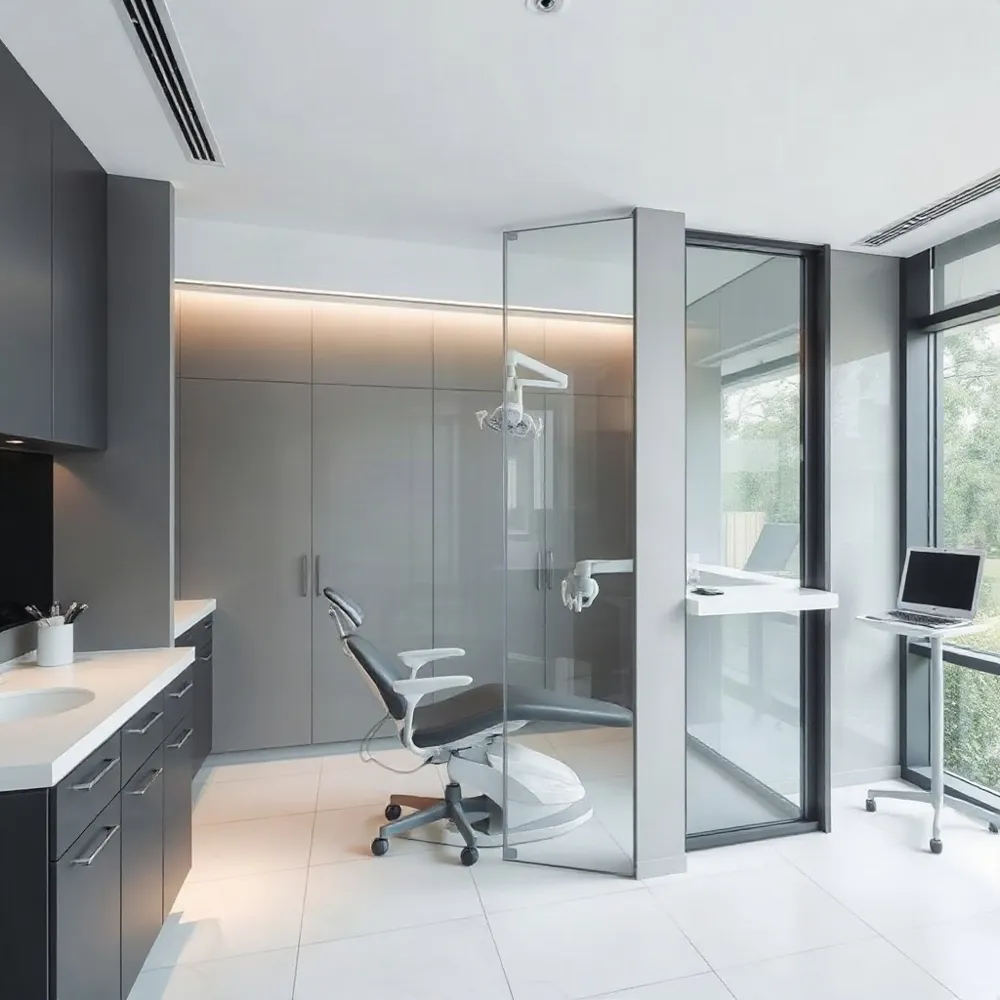 Achieving a bespoke aesthetic result at Empower Your Smile involves a structured two-visit sequence. During the initial appointment, we perform a comprehensive assessment to ensure your dental anatomy is ready for treatment. This phase often integrates digital smile design technology, which provides a visual preview of your transformation. By mapping the exact shape, size, and shade of your new smile, we ensure the final restorations integrate seamlessly with your facial features.
The preparation stage involves removing a thin layer of natural enamel, typically about the thickness of a fingernail, to create a stable surface for bonding. Once impressions are taken, these are sent to a laboratory where your custom shells are crafted. A second visit focuses on the permanent bonding of the veneers, where each piece is fitted and adjusted to achieve a natural, lifelike appearance. Unlike generic alternatives offered at some regional dental chains, the personalized approach at Empower Your Smile ensures that every detail is optimized for both durability and comfort.
What is the 4-8-10 rule regarding dental veneers?
The 4-8-10 rule is a standard guideline in cosmetic dentistry used to determine how many veneers are required to create a balanced smile. By placing veneers on four, eight, or ten teeth, dentists can achieve a proportionate result that avoids an unnatural appearance. This approach helps harmonize the new restorations with your existing teeth. While this rule serves as a helpful benchmark for planning, the exact number is always personalized based on your specific goals, the number of teeth visible when you smile, and the desired degree of transformation. Ultimately, the goal is to use the minimal number of veneers necessary to reach your ideal outcome while maintaining a seamless, natural look.
Longevity, Maintenance, and Long-Term Oral Health
Porcelain veneers are highly durable, typically lasting between 10 and 20 years with proper care and regular dental checkups. Their lifespan is influenced by the quality of the ceramic material, the precision of the bonding process, and the patient's daily oral hygiene habits. After 20 years, it is common for restorations to show signs of wear, such as minor marginal staining, slight gum recession, or mechanical fatigue, which may necessitate replacement. While some veneers can last longer depending on the individual's lifestyle and avoidance of habits like teeth grinding, they are not permanent fixtures. Patients should consult with their dentist for regular assessments to ensure the underlying tooth structure remains healthy and to determine when a replacement or repair is appropriate.
Do veneers cause teeth to rot, or do they negatively impact tooth health?
Dental veneers do not cause your teeth to rot, nor are they inherently damaging to your oral health when performed by a skilled professional. When properly bonded, these restorations act as a protective layer for your natural teeth. The underlying tooth structure remains healthy as long as you maintain consistent oral hygiene, including regular brushing with non-abrasive fluoride toothpaste, daily flossing, and professional dental cleanings. While the preparation process involves removing a thin layer of enamel, this is a standard step that does not compromise the tooth’s integrity. Keeping up with your routine dental visits at Empower Your Smile ensures that both your veneers and the teeth beneath them remain in excellent condition.
Although porcelain is naturally stain-resistant, it is still advisable to limit the intake of dark-colored beverages like coffee, tea, and red wine to maintain their appearance over time. Unlike composite materials, which are more susceptible to discoloration, high-quality porcelain mimics the light-reflecting properties of natural enamel. By avoiding using your teeth as tools for opening packages or biting into extremely hard foods, you can prevent structural damage and extend the life of your smile enhancement.
Understanding Costs and Alternative Restorations
The price of porcelain veneers depends on several factors, including the dentist's expertise and the quality of the laboratory used to craft the restorations. At Empower Your Smile, we integrate advanced technology to ensure precision, which directly affects the time and technical skill required for your case. Because the front teeth represent the most visible part of your smile, achieving the perfect shade and translucency requires significant artistry. Beyond the veneers themselves, costs may reflect necessary preparatory work, such as gum health treatments or minor shaping, to ensure a stable, long-lasting foundation for your new smile.
What factors influence the cost of porcelain veneers, specifically for the two front teeth?
The cost of porcelain veneers for your two front teeth is primarily influenced by the complexity of the treatment, including the expertise of the dentist and the quality of the laboratory used to craft the restorations. Additional factors include the amount of preliminary dental work required, such as cleaning or shaping, to ensure a perfect fit and aesthetic result. Because porcelain is a premium material compared to composite resin, the cost reflects its superior durability, natural-looking translucency, and resistance to staining. Furthermore, since the two front teeth are the most visible part of your smile, the level of artistic customization and color-matching precision required can impact the final price. Ultimately, investing in veneers involves a personalized treatment plan that reflects the specific needs of your smile and the advanced technology used to create your custom veneers.
How is dental bonding performed, and how does it compare to veneers for smile transformation?
Dental bonding is a minimally invasive procedure where a tooth-colored resin is applied to the tooth, sculpted into the desired shape, and hardened with a special light to repair chips, gaps, or discoloration in a single visit. In contrast, porcelain veneers are custom-crafted, thin shells that are bonded to the front of the teeth to provide a more comprehensive and durable smile transformation. While bonding is a quick, cost-effective solution for minor aesthetic touch-ups, it is more susceptible to staining and chipping than porcelain. Veneers offer superior longevity, often lasting 10 to 15 years, and provide greater stain resistance and structural strength. Ultimately, the best choice depends on whether you are seeking a temporary, conservative fix or a long-lasting, complete smile makeover.
What is the best material for dental crowns, and how are they fabricated?
The best material for dental crowns often depends on the tooth's location and your specific aesthetic goals, with zirconia and porcelain-fused-to-metal (PFM) being among the most popular choices. Zirconia is highly favored for its exceptional durability and natural, tooth-colored appearance, making it ideal for both front and back teeth. To fabricate these crowns, your dentist first takes a precise digital scan or physical impression of your prepared tooth. This data is then used to design the crown via CAD/CAM technology, which precisely mills the restoration from a solid block of high-quality ceramic. Finally, the crown is polished and bonded to your tooth, ensuring a seamless, functional, and long-lasting fit that enhances your smile.
Empowering Your Smile Through Expert Care
Choosing to refine your smile with porcelain veneers represents a significant investment in both your aesthetic confidence and your long-term oral well-being. By concealing imperfections such as stubborn discoloration or minor chips, these custom restorations provide a sophisticated, lifelike finish that transforms your overall dental appearance.
At Empower Your Smile, our patient-centered team prioritizes a collaborative, detailed design process to ensure every transformation aligns with your unique facial anatomy. We encourage you to schedule a professional consultation to discuss how our advanced cosmetic solutions can help you achieve your ideal, healthy smile.