Preparing for a Pain‑Managed Deep Cleaning
Before a scaling and root‑planing appointment, patients can reduce anxiety and improve comfort with mental‑relaxation strategies. Deep breathing, guided imagery, or listening to calming music helps lower stress hormones before the chair. The dentist will usually apply a local anesthetic such as lidocaine to numb the gums; topical gels may be added for extra comfort on sensitive areas. For those with heightened dental fear, nitrous oxide (laughing gas) or oral anxiolytics can be offered as light sedation, allowing the patient to stay awake yet relaxed. Finally, set realistic expectations: most people feel only pressure or vibration during the procedure, and mild gum tenderness lasting one to three days is normal. Knowing what to expect eases worry and promotes smoother recovery.
Understanding the Procedure and What to Expect
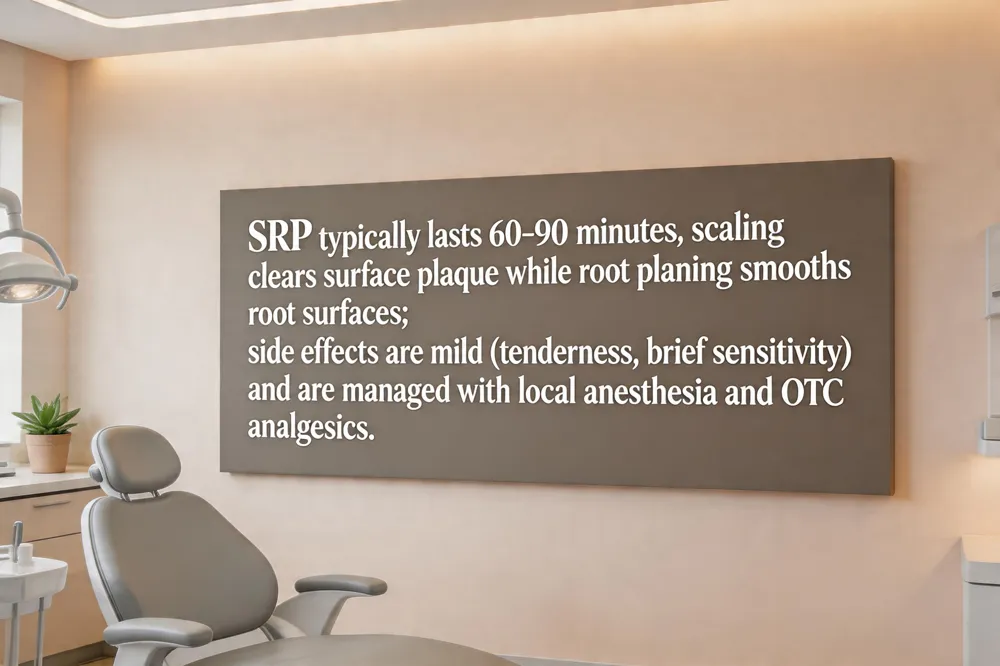 Scaling and root planing (SRP) is a deep‑cleaning treatment for gum disease. Common side effects include mild gum tenderness or soreness, slight bleeding when brushing, and temporary tooth sensitivity to hot, cold, or sweet foods. Some patients notice mild swelling that fades within a few days; rare complications such as persistent infection require prompt dental attention. Appointment length typically ranges from 60‑90 minutes for a full‑mouth cleaning, though many clinicians split the work into two one‑hour sessions to treat each side of the mouth. The total time depends on pocket depth, amount of calculus, and the clinician’s technique. Key differences: scaling removes plaque and tartar from visible tooth surfaces and just below the gum line, while root planing follows scaling and smooths the root surfaces beneath the gum line to prevent bacterial re‑attachment. Scaling can be done alone during routine cleanings; root planing is reserved for deeper periodontal pockets. Pain perception: most patients report only mild discomfort. Local anesthesia (and optional nitrous oxide) numbs the area during the procedure, so pain is minimal. Post‑treatment soreness, slight swelling, and temporary sensitivity may last a few days and are well managed with OTC ibuprofen or acetaminophen, warm salt‑water rinses, and a soft‑food diet. Overall, temporary discomfort is modest compared with the long‑term benefits of halting gum disease and preserving oral health.
Pre‑Appointment Checklist: Do’s and Don’ts
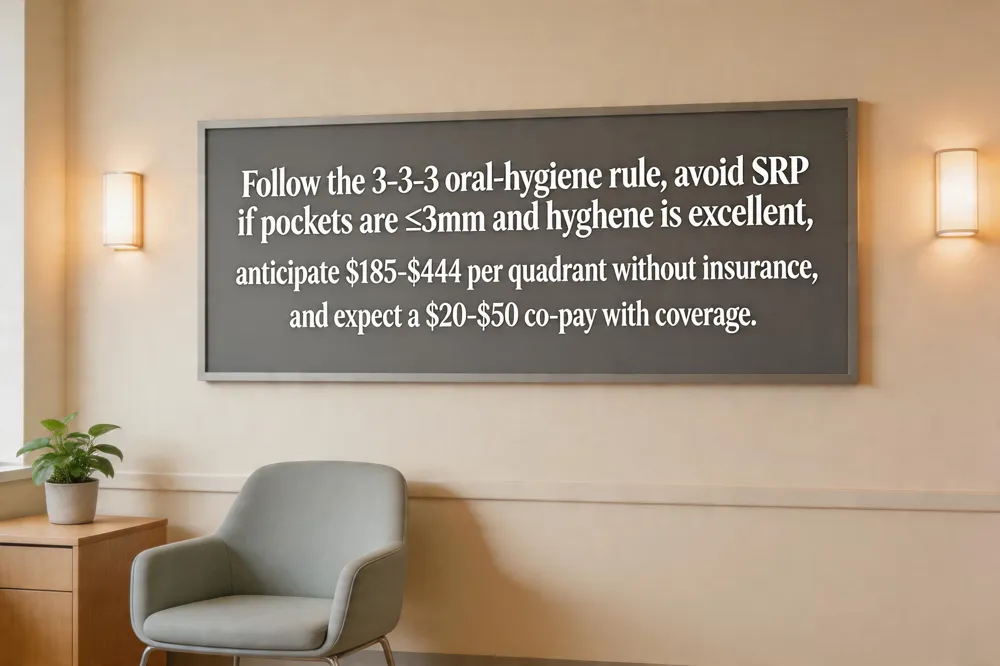 What is the 3‑3‑3 rule for oral hygiene? Brush for three minutes, three times a day (morning, after meals, before bed). Follow a three‑step routine: brush, floss (or clean between teeth), and finish with a fluoride‑containing mouth rinse if advised. Replace your toothbrush every three months.
When is scaling and root planing unnecessary? If a clinical exam shows no gum inflammation, bleeding, bone loss, or probing depths 3 mm, and the patient maintains excellent oral hygiene, SRP offers no benefit.
What are the costs of scaling and root planing without insurance in the U.S.? Out‑of‑pocket fees range from $185‑$444 per quadrant, averaging $242. A full‑mouth cleaning (four quadrants) typically costs $800‑$1,600, plus $50‑$150 for diagnostics or antibiotics.
What is the average cost with insurance? Insurance usually covers most of the $242 per‑quadrant fee, leaving a co‑pay of $20‑$50 per visit. Out‑of‑pocket for a full‑mouth treatment is often under $100, depending on the plan.
Managing Discomfort During and After SRP
 Local anesthesia and sedation options
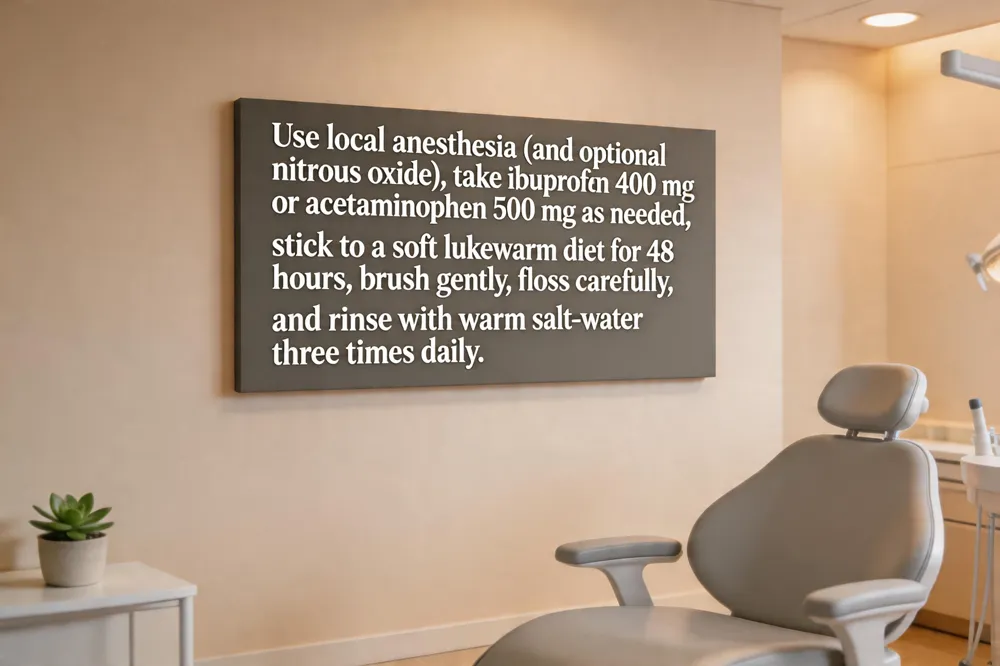
Clinicians typically numb the treatment area with lidocaine or a similar local anesthetic, so patients feel only pressure, not sharp pain. For those with heightened anxiety, nitrous oxide (laughing gas), oral anxiolytics, or mild oral sedation can be added to enhance comfort.
Over‑the‑counter analgesics
If mild soreness occurs, ibuprofen 400 mg or acetaminophen 500 mg every four to six hours for the first two days is usually sufficient. The peak effect of ibuprofen aligns with the average onset of post‑procedure pain (about three hours after SRP), making it an ideal choice.
Post‑procedure diet and food choices
Wait until numbness fades before eating. For the first 24–48 hours, stick to soft, lukewarm foods—yogurt, scrambled eggs, oatmeal, mashed potatoes, applesauce, or smooth protein shakes. Avoid hot, cold, acidic, spicy, sticky, hard, or crunchy items, as they can irritate healing gums. Continue a soft‑food diet for up to three days, then gradually re‑introduce tender, well‑cooked foods.
Gentle oral‑care routine
Begin gentle brushing with a soft‑bristled toothbrush twice daily, using a desensitizing or fluoride toothpaste if sensitivity is present. Floss carefully or use floss picks after the first 24 hours, and rinse with a warm salt‑water solution (½ tsp salt in 8 oz water) three times daily for the first week. Avoid vigorous rinsing, forceful spitting, and smoking for at least three days.
FAQs
- Recommended after‑care steps: Take OTC pain relievers as needed, rinse with warm salt water, brush gently, floss cautiously, eat soft foods, avoid tobacco and alcohol, follow any prescribed antimicrobials, and schedule a 4‑6‑week follow‑up.
- Things to avoid: Eating while numb, hot/cold/spicy foods, hard or crunchy items, aggressive rinsing, smoking, and strenuous activity for the first few hours.
- What can be eaten: Soft, lukewarm foods such as yogurt, scrambled eggs, oatmeal, mashed potatoes, applesauce, and smoothies; progress to softer cooked vegetables, pasta, and tender proteins after a few days.
- Healing timeline: Most gum redness and swelling resolve within 1–2 weeks; tissue re‑attachment stabilizes by 4–6 weeks, with full periodontal stability continuing up to 2–3 months.
- Pain level: The procedure is generally not painful thanks to local anesthesia; post‑treatment discomfort is mild and manageable with OTC analgesics and a soft‑food diet.
Optimizing Your Home Care for Long‑Term Success
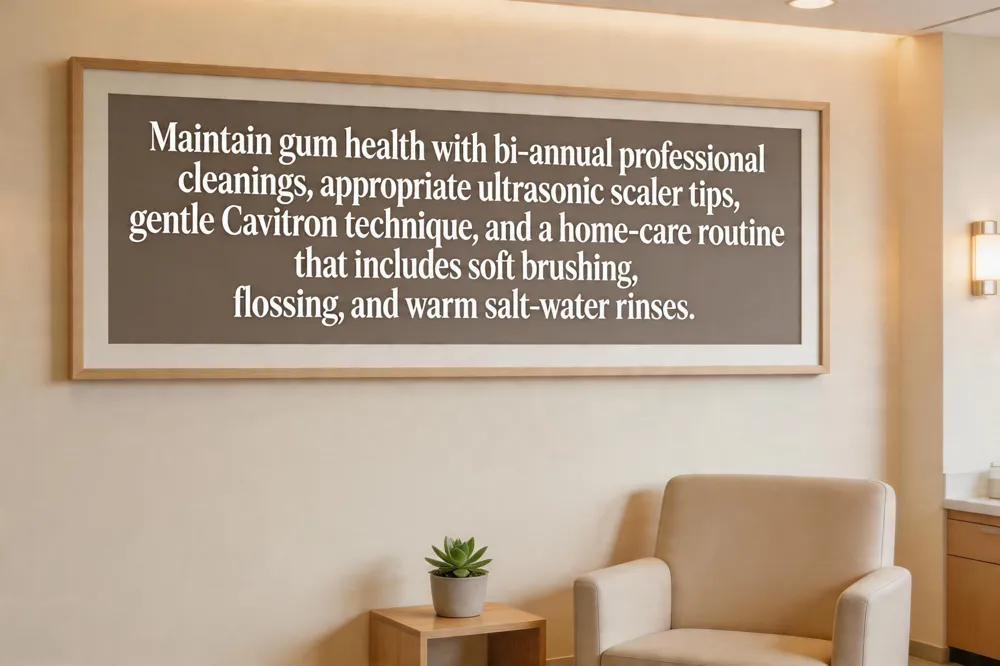 Maintaining gum health after scaling and root planing (SRP) relies on diligent home care and regular professional cleanings. Professional prophylaxis every six months removes new plaque before it can harden, while targeted ultrasonic scaler tip selection enhances efficiency during SRP. The four primary ultrasonic‑scaler tip designs are: 1) Universal (general‑purpose) tip – medium‑sized and rounded for supra‑ and sub‑gingival work; 2) Slim or mini tip – narrow diameter for tight interproximal spaces; 3) Periodontal (deep‑pocket) tip – longer, thinner for aggressive debridement of deep pockets; 4) End‑cut (sub‑gingival) tip – with a cutting edge to remove sub‑gingival calculus. Proper Cavitron technique uses light, steady pressure, a 0°‑15° tip angle, continuous water spray, and slow overlapping strokes of 5‑10 seconds per surface, finishing with a thorough rinse.
Healing after SRP progresses in stages: gum tissue looks normal in 1‑2 weeks, connective‑tissue re‑attachment occurs by 4‑6 weeks, and full periodontal stability may continue up to 2‑3 months. Most tenderness and sensitivity fade within a few days. Follow‑up visits at 1‑2 weeks confirm healing.
Scaling removes plaque and tartar; root planing smooths exposed roots to prevent bacterial re‑attachment. Together they eliminate infection and promote gum re‑attachment, whereas scaling alone is part of routine cleanings.
Common post‑scaling side effects include mild gum tenderness, slight bleeding, temporary tooth sensitivity, and occasional swelling, all of which resolve quickly with gentle oral care, warm salt‑water rinses, and OTC analgesics.
Financial Planning and Insurance Insights
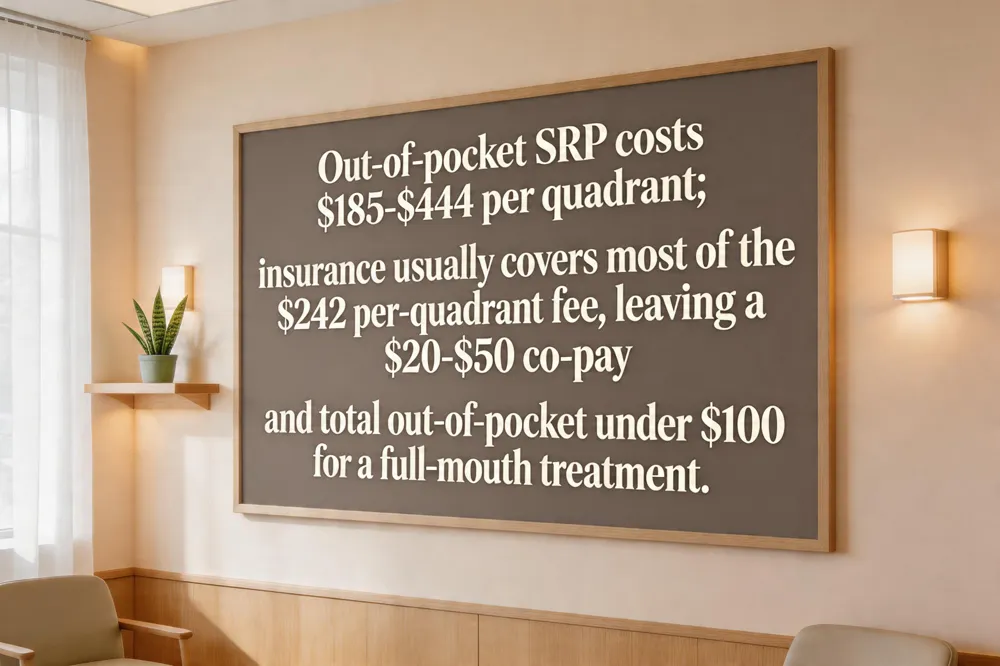 Scaling and root planing (SRP) without insurance typically costs $185‑$444 per quadrant, so a full‑mouth cleaning runs $800‑$1,600 (average $242 per quadrant). Diagnostic X‑rays, antibiotics, or follow‑up visits can add $50‑$150. With dental insurance, most plans classify SRP as medically necessary and cover the bulk of the fee; patients usually pay a $20‑$50 co‑pay per visit, keeping total out‑of‑pocket expenses under $100 for a complete treatment. NYC patients should budget $200‑$300 per quadrant, verify annual maximums, and ask about in‑network providers to lower costs. Long‑term, SRP reduces future periodontal surgery, tooth loss, and associated expenses, delivering strong value for the initial investment.
Empowering Your Smile with Confidence
Before your scaling and root planing appointment, remember to practice relaxation techniques, discuss any anxiety with the team, and allow the dentist to apply local anesthetic or optional sedation for a comfortable experience. After the deep cleaning, follow the post‑care plan: rinse gently with warm salt water, stick to a soft‑food diet for the first 24‑48 hours, use a soft‑bristled toothbrush, and take over‑the‑counter ibuprofen or acetaminophen as needed. Consistent oral‑hygiene habits and quarterly periodontal maintenance visits are essential to keep gums healthy and prevent repeat procedures. If you have questions about the procedure, pain management, or after‑care, schedule a conversation with Dr. Moezinia’s team—they are ready to tailor a plan that eases concerns and supports lasting oral health.