Understanding the Vital Connection Between Dental Health and Restful Sleep
A meaningful, two-way relationship links your oral health to the quality of your nightly rest. Research indicates that sleep disorders often manifest within the mouth due to bruxism, while persistent oral conditions like periodontal disease can hinder the body's ability to achieve deep, restorative sleep by triggering systemic inflammation, as noted in a scoping review.
Oral health issues serve as early warning signs for broader respiratory challenges. Obstructive sleep apnea often presents with symptoms observed during routine examinations, including specific tooth wear patterns or inflammation that indicates restricted airflow. At Empower Your Smile in Tribeca, NYC, we incorporate comprehensive screening into our patient care to identify these potential indicators of sleep-disordered breathing early.
When comparing dental practices, many facilities address only the surface symptoms of decay. By contrast, Empower Your Smile treats the mouth as a fundamental component of your overall health, offering comprehensive dental exams that bridge the gap between aesthetic dentistry and systemic wellness. Identifying these markers promptly allows us to coordinate care with sleep specialists, ensuring your dental health serves as a support to, rather than an obstruction of, your sleep quality.
The Two-Way Street of Dental Health and Sleep Quality
 The relationship between oral health and sleep quality is bidirectional, as nightly rest and dental hygiene rely on one another to maintain bodily balance. When sleep is poor, the body experiences increased inflammation, which can impair its ability to combat oral bacteria and gum infections. Furthermore, sleep disorders like obstructive sleep apnea often trigger mouth breathing, leading to xerostomia, or dry mouth. This lack of saliva reduces the mouth's natural defense against acid and pathogens, significantly escalating the risk of tooth decay and gum disease.
At Empower Your Smile, we help patients address these underlying systemic connections by identifying signs of wear that may signal larger issues. While some practices simply address surface-level symptoms, our team looks for patterns of bruxism or inflammation that disrupt your recovery. Conditions such as untreated cavities, severe toothaches, or active dental infections create persistent physical discomfort that forces the brain to remain alert, preventing the transition into deep, restorative sleep cycles.
Nocturnal bruxism serves as another frequent culprit in sleep disruption. This involuntary grinding or clenching of the teeth occurs at night and causes significant enamel wear, jaw pain, and tension headaches. Beyond the direct tooth damage, the muscular strain from clenching can prevent the jaw from relaxing, which often leads to frequent nighttime awakenings. Addressing these forces is critical for long-term health, as documented studies show that neglected bruxism is a common cause of technical failures in dental restorations and implants.
Dental Appliances as Treatment for Sleep-Disordered Breathing
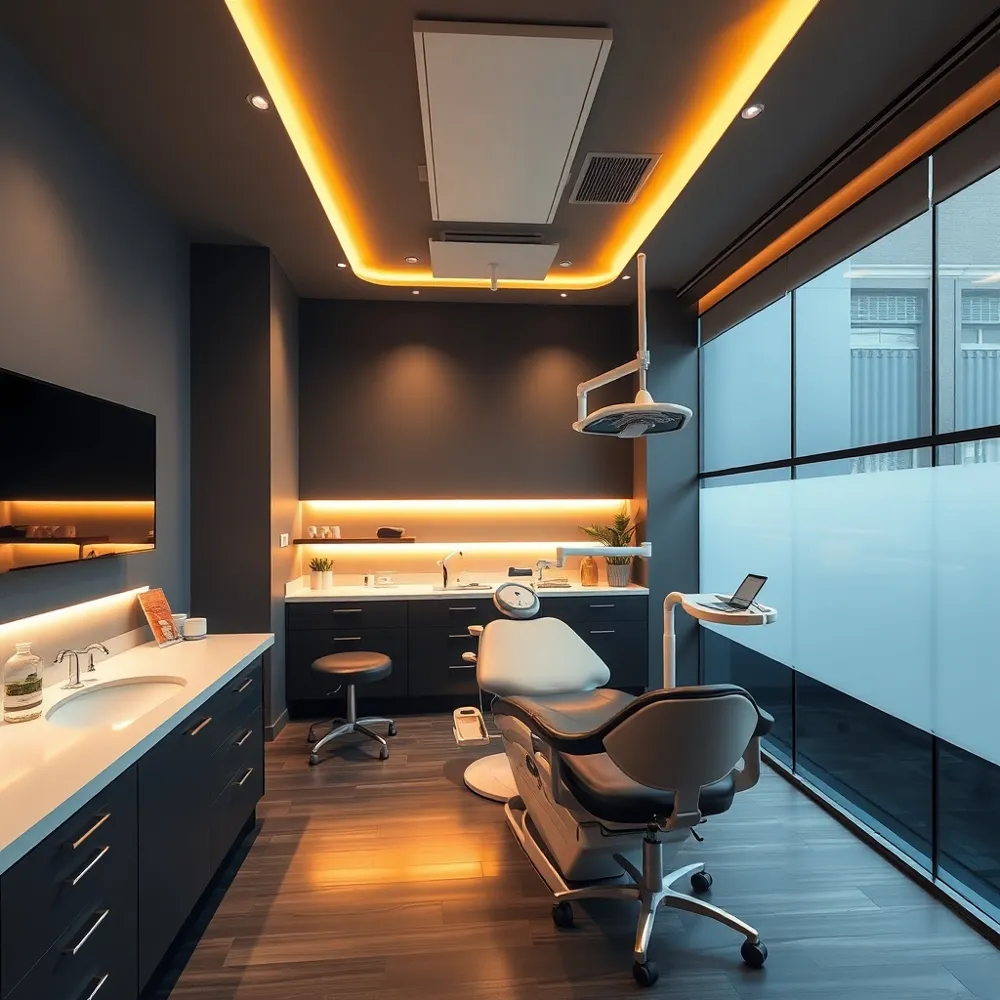 Correcting the physiological barriers to deep sleep often begins with mechanical intervention. For patients diagnosed with mild to moderate obstructive sleep apnea who struggle with traditional ventilation equipment, dental appliances are an established therapy. Oral Appliances for Sleep Apnea improve airflow by stabilizing the airway through thoughtful physical positioning.
What is a Mandibular Advancement Device (MAD) and how does it treat sleep apnea?
A Mandibular Advancement Device (MAD) functions as a customized oral structure that fits over the dental arches. By using adjustable hardware to gently encourage the lower jaw into a forward position, the device prevents the tongue and soft palate from collapsing backward during the night. Empower Your Smile frequently utilizes these devices to maintain airway patency, a critical factor for patients whose apnea stems from restricted pharyngeal space. Unlike generic, over-the-counter options, professional custom-made oral appliances are engineered through precise 3D scans to ensure they provide consistent tension without excessive stress on the masticatory system.
How do dental sleep appliances compare to CPAP therapy?
Although CPAP machines are the recognized standard for severe apnea, patient compliance remains a measurable challenge, with studies indicating that adherence issues impact between 30% and 50% of users across various clinical populations. Many find the masks cumbersome or noisy, whereas Empower Your Smile offers custom-fitted appliances specifically for those who prioritize comfort and portability. While CPAP remains technically effective for high-acuity cases, oral appliances serve as a highly accessible alternative that often improves nightly compliance for those with milder needs.
What are the common benefits and risks of using a dental device for sleep apnea?
The primary advantage of oral appliance therapy is the restoration of consistent breathing cycles and a reduction in snoring. However, long-term use requires standard oversight, as persistent repositioning can lead to temporary tooth sensitivity, jaw soreness, or potential shifts in bite alignment over multiple years. To mitigate these structural risks, Empower Your Smile provides regular monitoring to track dental health and ensuring the device continues to function effectively without compromising your oral architecture.
Restoring Stability: The Role of Dental Implants in Sleep Health
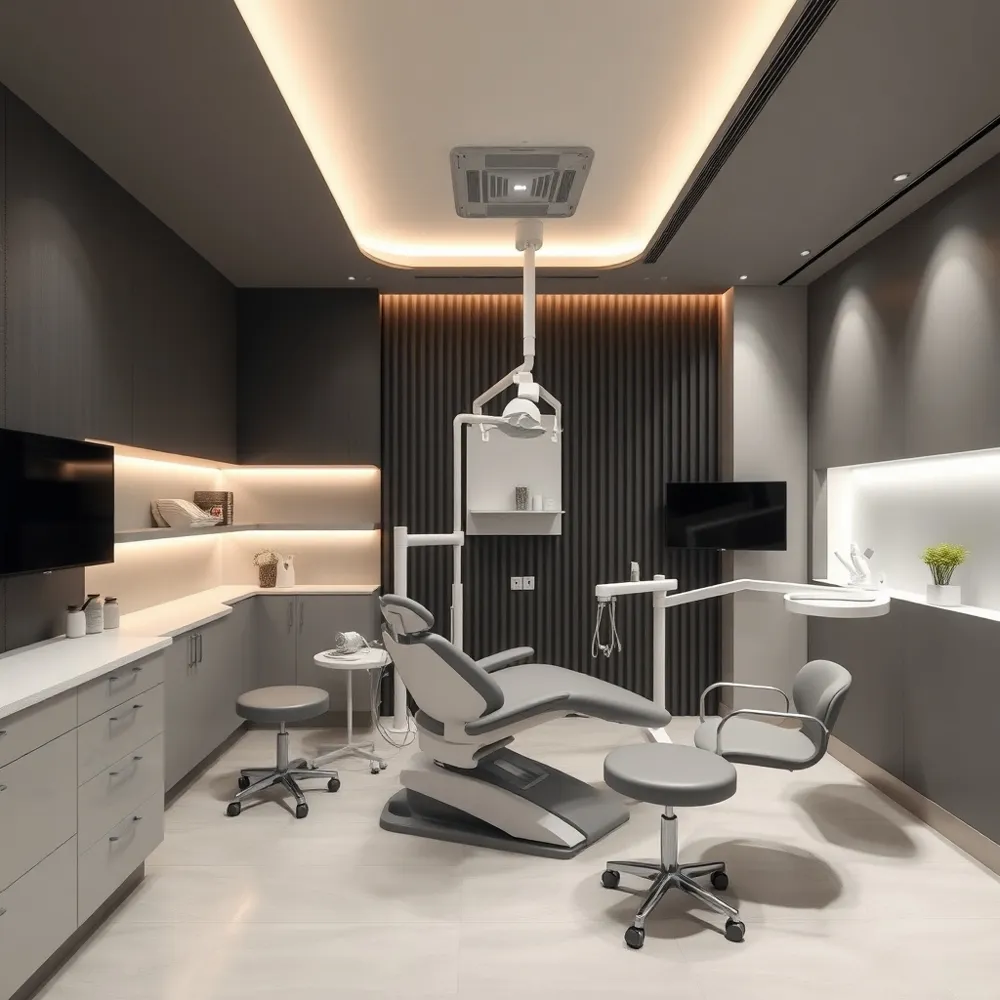 Tooth loss and the use of loose-fitting traditional dentures can significantly impede sleep quality by compromising the natural anatomy of the mouth. When these structures shift during the night, they often cause tongue displacement and soft tissue changes that contribute to airway obstruction. At Empower Your Smile, we prioritize fixed-restoration solutions that eliminate this instability, helping patients maintain a consistent airway throughout the night.
The scientific connection between prosthetic choices and rest is compelling. A 2021 prospective cohort study found that elderly patients treated with fixed implant-supported prostheses reported significantly better sleep quality and reduced daytime fatigue compared to those relying on conventional, removable dentures per a study in PubMed. By establishing permanent, stable occlusion, these restorations support the jaw position and reduce the irritation associated with shifting appliances.
Despite these benefits, clinicians must manage the mechanical loading caused by bruxism. Sleep-related grinding generates excessive pressure that can lead to screw loosening or porcelain fractures on dental restorations per research in Dental Sleep Practice. Careful treatment planning, which includes assessing patient sleep habits before placing implants, remains vital for protecting the longevity of your investment.
What is the most common complication of dental implants?
The most common long-term complication of dental implants is peri-implantitis, an inflammatory condition caused by bacterial accumulation around the implant site that can lead to tissue inflammation and potential bone loss. While dental implants have a high success rate, other complications can also arise, often categorized into short-term issues—such as infection or nerve-related symptoms—and long-term issues, which include mechanical problems with the crown or progressive bone loss. These complications may stem from factors like poor oral hygiene, smoking, or underlying systemic health conditions. Maintaining diligent oral hygiene routines and attending regular follow-up appointments are essential steps in preventing these issues. By working closely with your dental team to monitor risk factors early, you can take proactive measures to ensure the long-term stability and success of your dental implants.
Protecting Your Smile Investment: Managing Nighttime Forces
When you invest in dental restorations, such as dental implants, protecting them from the biomechanical forces of nocturnal bruxism is essential for their long-term survival. Research indicates that sleep-disordered breathing, including obstructive sleep apnea, often correlates with intense sleep-related bruxism. This repetitive grinding can exert excessive pressure on prosthetic components, leading to complications like screw loosening, abutment fractures, or porcelain damage.
At empoweryoursmile.com, we prioritize comprehensive assessments to identify these risks before finalizing your treatment plan. Detecting indicators of clenching or undiagnosed breathing issues allows us to design restorations with appropriate diameter and positioning, which mitigate stress on the underlying bone structure.
Proactive management often involves the use of custom-fitted night guards designed to cushion your bite and absorb harmful grinding forces. By combining diligent oral hygiene with professional screening for sleep-related disorders, we help ensure your smile remains both aesthetic and structurally sound for years to come.
Achieving a Healthier Smile and Restful Nights
Managing oral health and sleep quality requires a multidisciplinary approach where dentists and sleep specialists collaborate to address systemic concerns. At Empower Your Smile, we integrate comprehensive assessments that look beyond the teeth to identify indicators like jaw tenderness or unique wear patterns that suggest underlying breathing disruptions.
Routine check-ups remain the most effective tool for early intervention. By evaluating your oral anatomy and bite alignment, our team can pinpoint risks before they impact your nightly rest. When you prioritize consistent, high-quality care, you protect your smile while fostering the deep, restorative sleep necessary for long-term health.