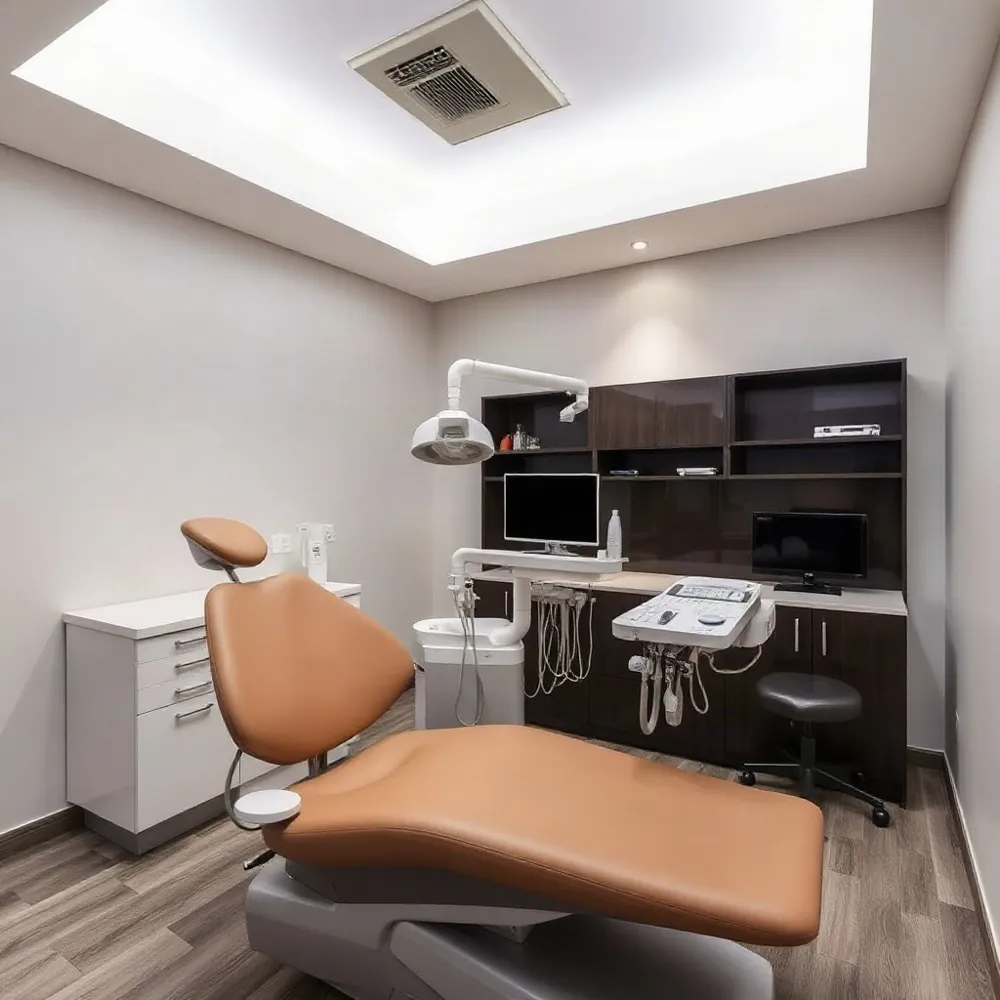
A Simple Screening That Saves Lives
Each year, nearly 54,000 Americans receive a diagnosis of oral or oropharyngeal cancer (source: Cleveland Clinic). The five-year survival rate for this disease stands at just 57%, largely because more than half of cases are found after the cancer has already spread to regional lymph nodes or distant sites (source: USPSTF). These numbers are sobering, but they also point to a powerful solution.
Oral cancer screenings are the best tool for early diagnosis. When detected while still localized, the relative five-year survival rate jumps to 82.4% (source: USPSTF). The exam takes less than five minutes, is painless, and is typically performed by a dentist during a routine check-up (source: Mayo Clinic). For such a small investment of time, the potential return is immense.
At Empower Your Smile, oral cancer screening is included as a standard part of every comprehensive dental exam. This means that patients in our Tribeca practice benefit from this critical preventive measure automatically — no extra appointment needed. And with oral cancer now affecting younger adults without traditional risk factors like tobacco use (source: Oral Cancer Foundation), the need for universal screening has never been greater.
A Silent Threat
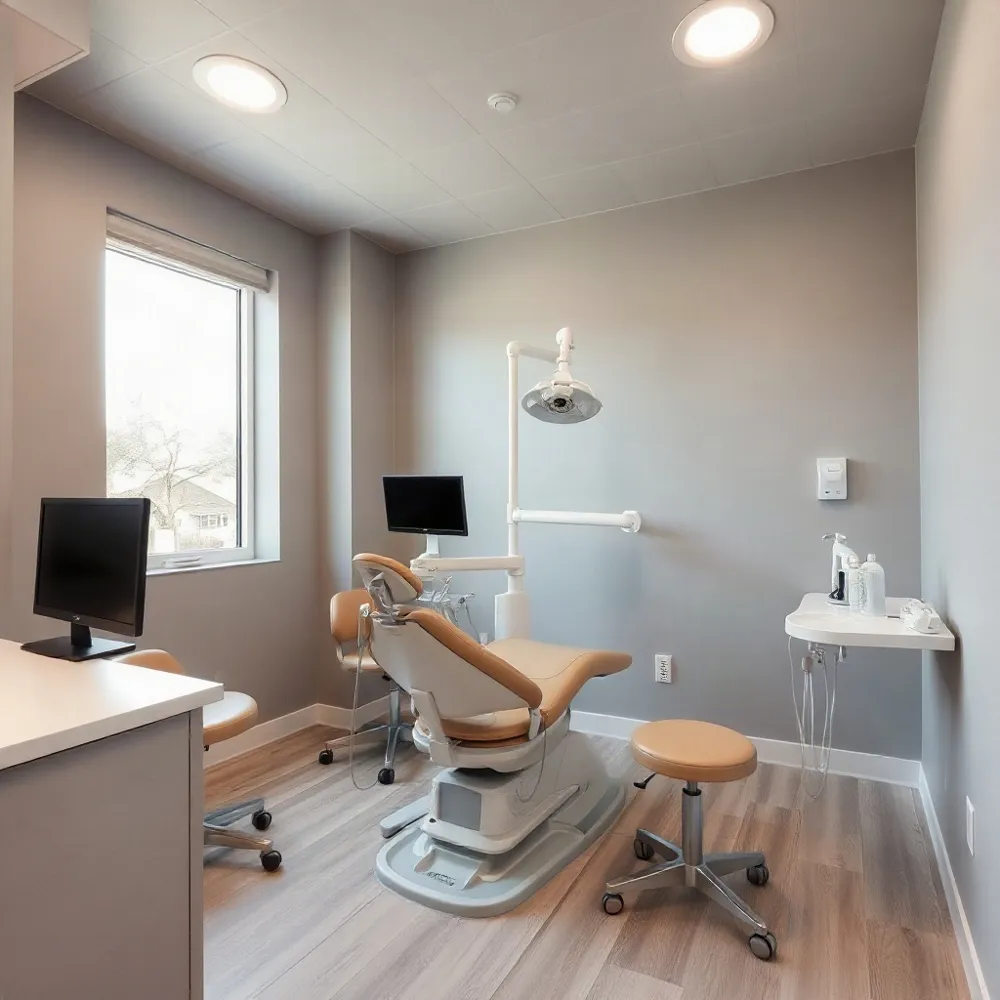 Oral cancer, also called mouth cancer, can develop on the lips, tongue, cheeks, gums, floor of the mouth, or the throat. It is an aggressive disease that grows and spreads rapidly, often invading nearby tissues and lymph nodes in the neck before any symptoms appear. The five-year survival rate hovers around 60%, but this number drops sharply once the cancer has metastasized — more than 50% of patients already have regional or distant metastases at the time of diagnosis, according to the U.S. Preventive Services Task Force.
The progression from a pre-malignant lesion (dysplasia) to full cancer typically takes 2.5 to 8 years, making oral cancer an ideal candidate for early detection through regular screening. Yet most cases are still found at advanced stages, when treatment is far more difficult. The Oral Cancer Foundation notes that this window for early intervention is frequently missed because patients do not present to healthcare professionals or are not recognized as being at risk.
Who Is at Risk?
Tobacco use of any kind and heavy alcohol consumption remain the dominant risk factors, accounting for up to 75% of U.S. cases per the USPSTF. Additional risks include HPV infection (now linked to 80–95% of oropharyngeal cancers), significant sun exposure (raising lip cancer risk), older age, and a compromised immune system.
A common myth is that only high-risk individuals — older men who smoke and drink — develop oral cancer. The data tells a different story. Studies show that 26% of oral cancer patients under 45 had little or no exposure to traditional risk factors. The male-to-female ratio, once 10:1 in the 1930s, has narrowed to roughly 2:1 today. Tongue cancer in adults under 40 increased nearly 60% between 1973 and 1997, driven by cohorts with minimal tobacco use. HPV-related oropharyngeal cancers have surged, with HPV DNA now found in two out of three oropharyngeal cases. These trends make it clear: oral cancer does not discriminate based on lifestyle alone, and screening every patient — not just those who fit the old stereotype — is the only reliable path to early detection.
Who Really Needs the Exam?
 The answer is clear: every adult needs an annual oral cancer screening. The days when oral cancer primarily affected older men who smoked and drank heavily are gone. In the 1930s, the male-to-female ratio for oral cancer was 10:1; today it is between 2:1 and 3:2. Screening only males would miss nearly 40% of cases today, compared to less than 10% in the 1930s.
Traditional high-risk groups include tobacco users, heavy drinkers, adults over 40, individuals with HPV infection, and those with significant sun exposure. Yet relying on risk factors alone is dangerous. An estimated 26% of oral cancer patients under 45 had little or no exposure to traditional risk factors. Patients may not honestly assess their own risks, and a growing number of cases appear in younger adults and women with no obvious cause.
The United States Preventive Services Task Force (USPSTF) finds insufficient evidence to recommend routine screening for asymptomatic adults by primary care providers, but they do support screening for high-risk groups. The American Dental Association, by contrast, recommends that providers remain alert for signs of potentially malignant lesions during routine exams for all patients, not just those with risk factors.
This means every patient should be screened with equal rigor. At empoweryoursmile.com, the standard dental exam includes a thorough visual and tactile screening of the lips, cheeks, tongue, floor and roof of the mouth, and neck. This quick, painless check takes just a few minutes and can identify suspicious changes long before they become serious. Whether you have risk factors or not, an annual oral cancer screening is a simple step that could save your life.
The Quick, Painless Exam Process
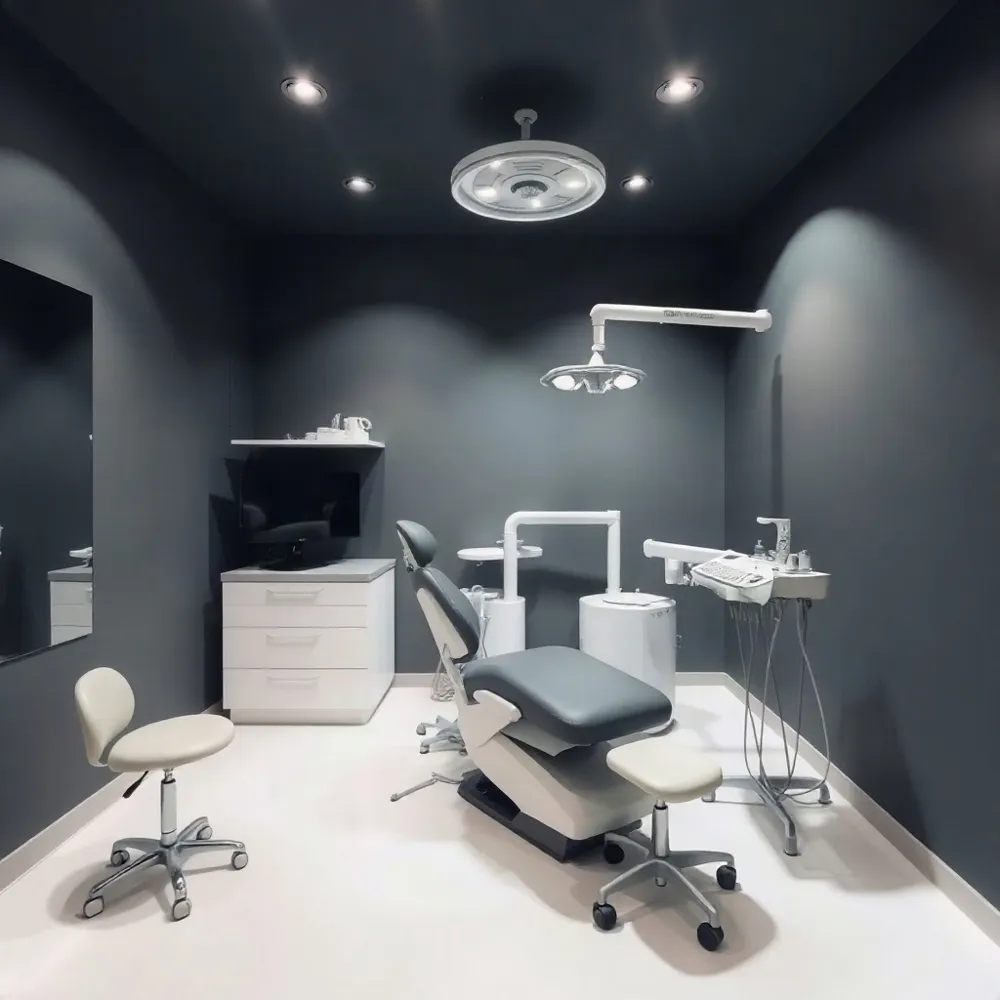 An oral cancer screening requires no preparation and is typically performed during a routine dental checkup. The entire process takes less than five minutes and is completely painless.
The exam begins with a visual inspection. Your dentist looks inside your mouth for sores, red or white patches, and other abnormalities. The red patches, called erythroplakia, and the thick white patches, called leukoplakia, are common early signs that warrant attention.
Next, the dentist uses gloved hands to palpate the tissues in your mouth, throat, and neck, feeling for lumps or swollen lymph nodes. Some dentists also use advanced tools such as a VELscope or OralID fluorescence device, or a toluidine blue dye rinse, to highlight areas of concern that might be missed by the naked eye.
Between professional visits, you can perform a monthly self-exam at home. Use a bright mirror to check your lips, gums, tongue, and the lining of your cheeks for any sores, lumps, or color changes. The 3-finger test can help detect trismus, or restricted jaw opening, which can be an early sign of oral cancer. To perform it, stack three fingers vertically and try to fit them between your front teeth. If fewer than three fingers fit, consult your dentist.
At Empower Your Smile, we provide thorough oral cancer screenings during routine visits, using visual and tactile exams along with advanced fluorescence technology to catch potential issues early. Dentists are especially well-positioned for detection because they have ample lighting, a clear view of the mouth, and access to patient history. Remember, a self-exam is not a substitute for a professional screening: you should still schedule a dental exam every six months.
Early Symptoms You Should Never Ignore
Stage 1 oral cancer is often easy to overlook because the symptoms are subtle and painless. Common warning signs include a persistent sore or lesion that does not heal within two weeks, or red and white patches on the gums, tongue, or the lining of the mouth. You may also feel a painless lump or thickening inside the cheek, an area of numbness or tenderness in the mouth or lips, or a sensation that something is caught in your throat.
Other symptoms that require attention include difficulty chewing, swallowing, or moving the jaw or tongue, a persistent hoarseness, and a chronic earache. A lump found in the neck can be a sign of advanced oral cancer. Any sudden asymmetry, an unexplained lump, or a swollen lymph node on one side of the neck, especially if the node is hard and fixed to the tissue, should be evaluated by a professional.
Because these symptoms are easy to dismiss, regular professional screenings are critical. Oral cancer can develop even in people who do not smoke or drink, so routine exams are recommended for all adults. The earlier a suspicious area is identified, the more treatment options remain available, and the better the chance of a successful outcome.
From Diagnosis to Cure: Understanding the Path Forward
If a dentist spots a suspicious lesion or sore during a routine exam, the next step is typically a short waiting period or an immediate referral. The dentist may ask the patient to return in two to three weeks to see if the area has changed or healed on its own. If the lesion persists or looks concerning, a biopsy is recommended — the only way to confirm whether cancer cells are present.
Biopsy remains the gold standard for oral cancer diagnosis, according to the American Dental Association’s 2026 guidelines. During the procedure, a small sample of tissue is removed and sent to a lab for microscopic analysis. Adjunct tools such as cytology (collecting cells for examination), vital staining with dyes like toluidine blue, and specialized light-based devices can help identify areas that warrant a biopsy, but they cannot replace it.
Cure Is Possible, Especially Early
When oral cancer is detected at stage 1 or stage 2, the outlook is strong. Early-stage disease carries a five-year survival rate of 82–90%, and treatment — often surgery alone — can be curative. Even advanced stages (3 and 4) are treatable; modern combinations of surgery, radiation, and chemotherapy can achieve long-term disease control and preserve quality of life.
Does mouth cancer affect teeth? Yes. A growing tumor can loosen teeth, alter the bite, and cause pain. Treatments like radiation often lead to dry mouth, which increases cavity risk and gum problems. This makes ongoing partnership between the oncology team and a dentist essential. At Empower Your Smile, the care team coordinates with specialists to help manage these side effects and keep the mouth healthy throughout treatment.
There is no blood test for oral cancer — biopsy is the only definitive diagnostic method. Patients often ask about nutrition: foods rich in antioxidants, such as berries, leafy greens, and vitamin E from nuts and seeds, support the body during treatment. For those in advanced stages, symptoms may include severe pain, lockjaw, numbness, difficulty swallowing and speaking, and significant weight loss.
Insurance, Cost, and Making It a Habit
A basic visual oral cancer screening is typically folded into a routine cleaning and exam, so you may never see it as a line item. When a dentist uses an advanced screening device for finer detection, the fee is often billed separately using ADA code D0431 and generally runs between $25 and $65. The exact amount depends on the practice and your insurance.
Coverage varies by plan. Many dental insurers, including Delta Dental, do not reimburse for a complete screening as a separate charge, treating it as part of the standard exam. However, some medical plans will cover it when performed during a medical evaluation or for high-risk patients. Since oral cancer screening is considered standard of care in every state, dentists are expected to include it in every preventive visit.
How often should you be screened? Most adults benefit from a yearly screening as part of a routine dental exam, and the USPSTF notes that those at higher risk, such as older adults who smoke or drink heavily, may warrant more frequent exams. Anyone with new symptoms should book a visit sooner rather than later.
What You Can Do Between Visits
Screening works best alongside healthy daily habits. Avoiding tobacco, limiting alcohol, wearing SPF lip balm outdoors, brushing and flossing daily, and eating nutrient-rich foods all help lower your risk. Pair those habits with a yearly screening, and you have a simple, effective routine.
At Empower Your Smile, the screening is built into your regular check-up, so protection is automatic rather than an extra step you have to remember. It takes minutes, involves no pain, and gives you peace of mind that a potentially serious issue has been caught early.
Your Life Could Depend on a Five-Minute Exam
Oral cancer is aggressive, but when caught in its earliest stages, the outlook shifts dramatically. The five-year survival rate for localized oral cancer reaches 82.4%, compared to just 33.2% when the cancer has spread to distant parts of the body, according to data cited by the U.S. Preventive Services Task Force. That gap between early and late detection is measured in minutes that a screening takes.
An annual oral cancer screening should be a non-negotiable part of every adult's healthcare routine, just as regular physicals and mammograms are. The exam takes only a few minutes, requires no preparation, and is typically painless. For that small investment of time, you gain the chance to identify a pre-malignant lesion years before it becomes life-threatening.
At Empower Your Smile in Tribeca, comprehensive oral cancer screenings are a standard part of every routine check-up. The practice offers the same thorough visual and tactile inspection that experts recommend, all within a comfortable, patient-centered setting. Whether you have risk factors or not, a quick screening is one of the simplest steps you can take to protect both your health and your smile.
Schedule your screening today. It is quick, painless, and could save your life.


