
Why a Comprehensive Dental Exam Is More Than a Cleaning
A comprehensive dental exam goes far beyond the polish-and-floss routine many people picture. It is a full oral evaluation that pairs a visual inspection with periodontal probing, bite analysis, and digital X-rays, all aimed at catching problems before they turn painful or costly. The goal is preventive, not reactive.
Most comprehensive exams follow a recognizable flow. The dentist starts by reviewing your medical history and any symptoms, then checks your head, neck, and jaw for tenderness or swelling. Next comes the hands-on portion: examining each tooth, probing the gums for pocket depth, and testing your bite. Digital images reveal what the naked eye cannot see, including impacted teeth, bone loss, and early decay between teeth, as detailed in What Happens During a Comprehensive Dental Exam.
This deeper look matters because several serious conditions have no early symptoms on their own. Cavities can grow painlessly until they reach the nerve, and gum disease often progresses silently. A regular checkup, recommended twice a year by most dental professionals, lets your dentist spot those subtle changes while they are still reversible.
One of the more surprising roles of the exam is how much it can reveal about your overall health. Your dentist may notice signs of diabetes, osteoporosis, acid reflux, or even vitamin deficiencies, simply by looking at your mouth. That is why a thorough exam is sometimes described as a window into the rest of your body. The Benefits of Regular Dental Checkups explains how these visits support more than just your smile.
Oral cancer screening. Looks for red or white patches, sores, and unusual tissue changes across the tongue, cheeks, gums, and throat.
Periodontal evaluation. Probes the depth of gum pockets to measure inflammation and early bone loss around each tooth.
Bite and occlusion check. Assesses how upper and lower teeth meet, and flags wear patterns from grinding or clenching.
Diagnostic imaging. Takes digital X-rays to reveal cavities, bone health, impacted teeth, and infections not visible during the visual exam.
Beyond the clinical steps, the exam is your chance to ask questions and take an active role in your oral care. Whether you have sensitivity, a chipped tooth, or just want reassurance, the appointment is the right time to raise it. For a closer look at what your dentist is actually checking for, this guide to comprehensive exams walks through the process step by step.
| Exam step | What it checks | Why it matters |
|---|---|---|
| Medical history review | Medications, conditions, allergies | Identifies risk factors and interactions |
| Visual inspection | Tooth surfaces, gums, tongue | Reveals cavities, swelling, and discoloration |
| Periodontal probing | Gum pocket depth | Detects early gum disease and bone loss |
| Bite analysis | Teeth alignment and wear | Catches grinding and malocclusion issues |
| Digital X-rays | Bone, roots, between teeth | Finds decay and problems hidden to the eye |
| Oral cancer screening | Tissues and lymph nodes | Enables early detection of serious conditions |
What Does a Comprehensive Dental Exam Consist Of?
 A comprehensive dental exam goes well beyond the polish-and-floss routine of a standard cleaning. The dentist or hygienist performs a head and neck assessment, checks the jaw joints, evaluates your bite, probes the gums for periodontal pockets, and takes digital X‑rays to spot decay and bone loss that aren't visible to the naked eye. As part of the process, they also screen soft tissues for signs of oral cancer. For a full walkthrough of these steps, you can see what happens during a routine visit.
Many people wonder how long this exam takes. A thorough visit typically runs 45 to 60 minutes, depending on your oral health history and the number of X‑rays needed. The dentist will review your medical history, ask about any symptoms like tooth sensitivity or bleeding gums, and then systematically examine each tooth and the surrounding gums. MedlinePlus notes that this type of exam is your first line of defense for catching problems early, which makes it a foundational part of preventive care.
One of the most important components is the oral cancer screening. During this step, the dentist feels the lymph nodes in your neck and examines your tongue, cheeks, and palate for unusual lesions, red or white patches, or bumps. Early detection can be life‑saving, which is why this part of the exam is never optional.
The Exam You Get at a Routine Checkup vs. a Comprehensive Exam
Routine cleanings are about preventing decay and gum disease through plaque removal and basic polishing. A comprehensive exam is diagnostic and broader in scope. It includes periodontal probing, bite analysis, and an evaluation of existing restorations like fillings and crowns. This distinction matters because a comprehensive exam can reveal underlying issues that a regular cleaning might miss.
Scope. A routine visit focuses on cleaning and polishing; a comprehensive exam adds diagnostic tools like X‑rays, periodontal probing, and bite analysis to assess overall oral health.
Accuracy. At empoweryoursmile.com, the comprehensive exam uses digital imaging for clearer, lower‑radiation X‑rays, giving you more precise detection of cavities, bone loss, and hidden infections.
Frequency. Most adults benefit from a comprehensive exam once a year, with routine cleanings every six months. Your dentist may recommend a different schedule based on your risk factors.
| Component | Purpose | What It Reveals |
|---|---|---|
| Head & neck assessment | Palpate lymph nodes and glands | Swelling, infection, or systemic issues |
| Periodontal probing | Gently measure gum pockets | Early gum disease, bone loss |
| Bite analysis | Evaluate how teeth come together | Wear patterns, TMJ problems, alignment issues |
| Oral cancer screening | Examine soft tissues for lesions | Early signs of oral cancer |
| Digital X‑rays | Capture images of teeth and bone | Cavities between teeth, impacted teeth, bone density |
Understanding these components helps you know what to expect when you schedule a comprehensive dental exam. Whether you're due for your annual checkup or have a specific concern, an exam like this is your best tool for protecting your smile and catching issues before they become costly problems.
Why Regular Dental Checkups Are Essential for Prevention
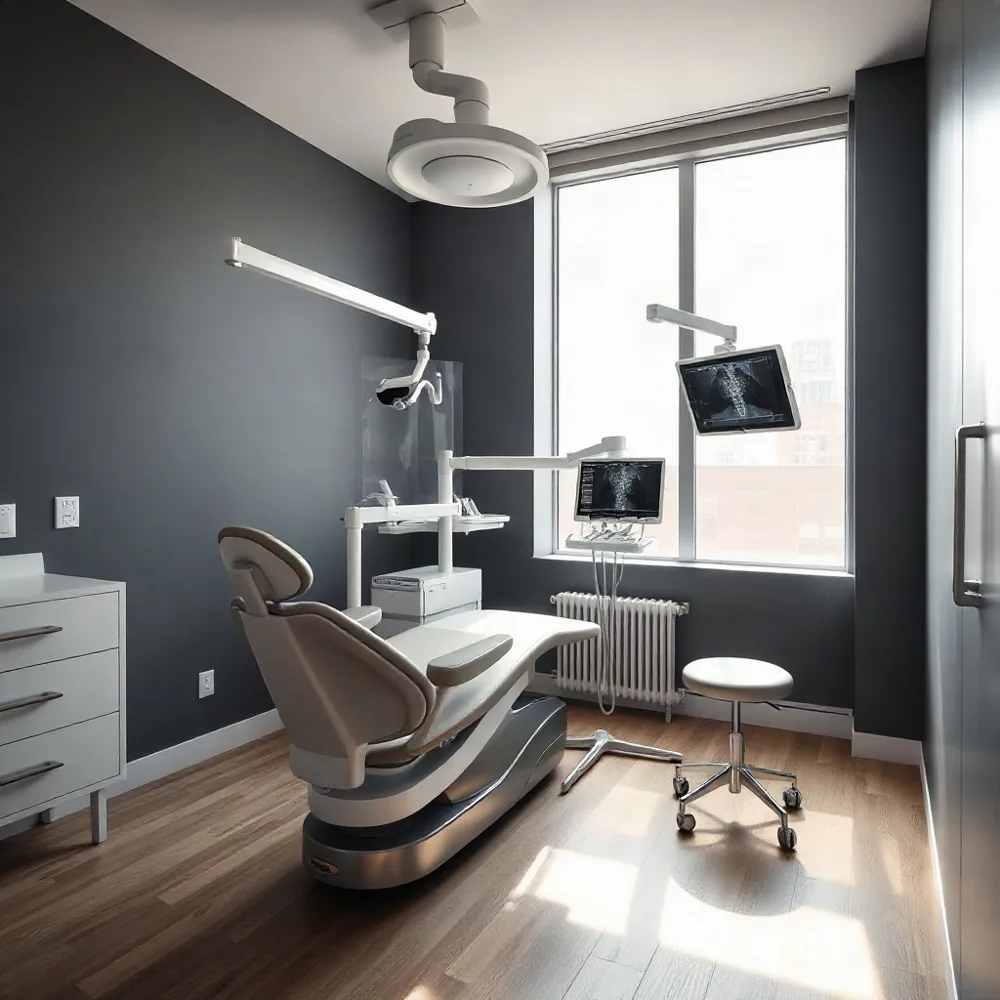 A dental exam is a structured head-to-toe assessment of your oral cavity, not just a quick look at your teeth. Most comprehensive exams follow a consistent sequence: review of your medical and dental history, visual inspection, periodontal probing, and a cancer screening. The Comprehensive Dental Exam also includes digital X-rays and bite analysis, which reveal issues hidden below the gumline.
Medical history. Your dentist reviews medications, chronic conditions, and past procedures. This flags risks like bleeding from anticoagulants or dry mouth from certain drugs, both of which affect treatment planning.
Visual inspection. The dentist examines each tooth for decay, cracks, and wear, plus evaluates the tongue, soft tissues, and palate for lesions or color changes.
Periodontal probing. Using a small probe, the dentist measures pocket depths around each tooth, which screens for gum disease. On a standard dental check-up, healthy pockets are typically 1 to 3 mm.
Cancer screening. The exam palpates the neck, jaw, and lymph nodes and inspects the oral mucosa for suspicious lumps or red/white patches—a routine dental exam that can catch oral cancer early.
Diagnostic imaging. Digital X-rays reveal impacted teeth, bone loss, and hidden cavities. They are essential for planning implants or extractions and are a standard part of a comprehensive dental exam cost. Note that a precise number of X-rays depends on your individual risk profile.
The entire process usually takes 30 to 60 minutes when performed by a dentist, though a full comprehensive exam that includes periodontal charting and additional imaging can extend to 90 minutes. A routine dental exam in NYC follows this same sequence, but the depth of each step increases based on your oral health.
| Step | What It Covers | Why It Matters |
|---|---|---|
| Medical history | Medications, conditions, past care | Flags systemic risks |
| Visual inspection | Teeth, gums, tongue, palate | Finds decay and lesions |
| Periodontal probing | Pocket depths | Detects gum disease |
| Cancer screening | Neck, lymph nodes, oral tissues | Catches oral cancer early |
| Imaging & X-rays | Below-gum issues, bone levels | Reveals hidden problems |
The Surprising Benefits of Comprehensive Dentistry
 A comprehensive dental exam goes far beyond the familiar polish and floss of a standard cleaning. This appointment is a full clinical evaluation of your oral and overall health, combining a detailed visual inspection, periodontal probing, digital X-rays, and an oral cancer screening. Practices such as Empower Your Smile in Tribeca, NYC, design these exams to catch early signs of cavities, gum disease, jaw issues, and other conditions before they become serious.
During the exam, your dentist will examine every tooth for decay or damage, check your gums for inflammation and pocket depth, and assess your bite and jaw alignment. Digital X-rays reveal issues invisible to the naked eye, such as impacted teeth, bone loss, or hidden infections. An oral cancer screening examines the lips, tongue, and throat for unusual lesions or discolorations. According to MedlinePlus, a thorough dental exam is a key part of preventive care, helping to identify problems early when they are easiest to treat.
Typical Steps in a Comprehensive Dental Exam
- Detailed visual inspection of all teeth and surrounding tissues
- Periodontal probing to measure gum pocket depths and detect gum disease
- Bite analysis to check for malocclusion, grinding, or jaw joint issues (TMJ)
- Digital X-rays to identify cavities, bone loss, and impacted teeth
- Oral cancer screening of the lips, tongue, and oral tissues
- Evaluation of restorations, like fillings and crowns, for wear or damage
- Review of your medical and dental history, including any medications
The exact sequence varies by dentist, but most practices follow a similar flow. A comprehensive exam also includes a conversation about your symptoms, oral hygiene habits, and risks like smoking or diet. As explained by WebMD, the dentist will often finish by discussing findings and recommending a personalized treatment or prevention plan.
Why It Matters More Than a Routine Cleaning
A routine cleaning focuses on plaque and tartar removal, but a comprehensive exam digs deeper. It looks for early signs of gum disease, oral cancer, and even systemic conditions like diabetes or osteoporosis, which can show up in your mouth. Regular comprehensive exams help you avoid costly and invasive treatments by catching issues early, making them a smarter investment in your long-term health.
Early detection. Finding cavities, gum disease, or lesions when they are small and treatable, reducing the need for complex procedures like root canals or extractions.
Systemic connection. Your dentist may spot signs of diabetes, vitamin deficiencies, or other health conditions during an oral exam, enabling earlier referral to a physician.
Personalized prevention. Based on your risk factors, your dentist tailors a home-care routine and follow-up schedule, rather than applying a one-size-fits-all approach.
Because these exams involve X-rays and a detailed evaluation, they may take longer than a standard cleaning, and the cost is often higher. However, the investment pays off in prevention. At Empower Your Smile, the comprehensive exam includes a thorough oral evaluation, periodontal screening, and a discussion of any findings, all under one roof.
How Often Should You Get One?
Most dental professionals recommend a comprehensive exam every one to two years, with routine cleanings in between. However, your individual needs may differ. Patients with a history of gum disease, diabetes, or other risk factors may need more frequent exams. A dental check-up can also help you understand what to expect and why regular visits matter.
If you are due for an exam or want to establish a baseline, schedule a comprehensive dental exam at Empower Your Smile. Our team focuses on comfort, thoroughness, and a clear, personalized care plan.
| Component | What It Checks | Why It Matters |
|---|---|---|
| Visual inspection | Tooth decay, cracks, wear | Catches problems early, prevents pain |
| Periodontal probing | Gum pockets, inflammation | Detects gum disease before bone loss |
| Digital X-rays | Bone, roots, impacted teeth | Reveals hidden issues not visible clinically |
| Oral cancer screening | Lips, tongue, throat | Early detection improves survival odds |
| Bite analysis | Jaw alignment, TMJ | Prevents tooth wear and jaw pain |
What Can a Dentist Tell by Looking in Your Mouth?
A comprehensive dental exam is a deliberate, methodical process that goes far beyond the quick polish and check you might expect. It's designed to build a complete picture of your oral health, which is why it typically takes longer than a routine cleaning. Understanding each step can help you feel at ease, either at your next visit or when comparing how different practices approach this standard of care.
The Initial Review and Medical History Update
Before any instruments come out, the dentist or hygienist reviews your medical history. This step matters more than most people realize, because conditions like diabetes, heart disease, and pregnancy can directly influence your oral health and the care you receive. You'll be asked about medications, allergies, and any symptoms you've noticed since your last visit. This conversation sets the stage for everything that follows and helps identify any concerns that might require special attention.
The Head and Neck Examination
The clinical portion begins with an assessment of your head, neck, and jaw. The dentist will feel your jaw joints, lymph nodes, and salivary glands for any tenderness, swelling, or irregularities. This external check is often the first line of defense in spotting issues like infection or inflammation. Many patients are surprised to learn that this seemingly simple part of the exam can reveal early signs of conditions that extend well beyond the mouth, a point that underscores why a thorough exam is about more than just teeth.
The Intraoral and Soft Tissue Examination
Next comes the core of the comprehensive exam: a detailed look inside your mouth. Using a mirror and explorer, the dentist inspects each tooth's surface for decay and checks the condition of existing fillings, crowns, and other restorations. The gums are examined for signs of periodontal disease, including probing depths and bleeding. Soft tissues, including your tongue, cheeks, and palate, are evaluated for any unusual lesions or discolorations that could indicate oral cancer or other conditions. A comprehensive dental exam often includes an oral cancer screening during this phase, which is a critical step for early intervention.
Bite Analysis and Probing
Your bite, or occlusion, is also assessed. The dentist checks how your upper and lower teeth come together, and may ask you to open and close your mouth slowly to identify any discrepancies. Periodontal probing measures the depth of the spaces between your gums and teeth; deeper readings can signal gum disease. These measurements are charted and compared over time, allowing your dental team to track any progression and address issues before they escalate.
Digital X-Rays and Imaging
X-rays, or radiographs, are a staple of the comprehensive exam. They reveal what the naked eye cannot see: cavities between teeth, impacted teeth, bone loss, and issues below the gum line. Modern digital imaging uses significantly less radiation than traditional film and provides instant, high-resolution images. Not every dental practice uses the same imaging technology, which is one area where the choice of provider can make a tangible difference in diagnostic accuracy.
What a Comprehensive Exam Costs and Why It's Worth It
The cost of a comprehensive exam and whether it's worth the investment is a common question among patients. The answer depends on your individual needs and the depth of the examination. A thorough exam can lead to early detection of gum disease, cavities, and oral cancer, which are far less costly and invasive to treat in their initial stages. Some dental practices, like Empower Your Smile, incorporate these elements into a single comprehensive visit, aiming to provide a high standard of care and early problem detection. When considering the fee, it's helpful to weigh it against the potential cost and discomfort of treating advanced conditions later.
The Bottom Line on Preparation
Coming prepared for your comprehensive dental exam can help you get the most out of it. Knowing what to expect can also help you feel more in control of your health, whether you're visiting a new practice for the first time or staying with your long-time dentist. A comprehensive exam is not just a cleaning; it's a thorough evaluation of your overall health, with your mouth serving as a window to the rest of your body.
When Should You Schedule a Comprehensive Exam?
Most people assume they need two checkups a year, but the right interval for a comprehensive dental exam depends on your individual oral health, not a one-size-fits-all number. Dentists use guidelines from organizations like the American Dental Association, which recommend a frequency based on your risk level for cavities, gum disease, and other conditions. In general, a patient with healthy teeth and gums might only need one comprehensive exam every 12 months, while someone with a history of periodontal disease, frequent cavities, or a weakened immune system may need to visit more often.
What the Research and Guidelines Say
Professional organizations and health sources generally agree that the frequency of dental checkups should be tailored. The American Dental Association states that the recall interval is determined by the dentist based on a patient's risk factors, not a strict six-month rule. A comprehensive dental exam includes a detailed visual inspection, periodontal probing, and digital X-rays, which together reveal the true state of your oral health. If you have active gum disease, a history of root canals, or heavy plaque buildup, your dentist will likely recommend a more frequent schedule, sometimes every three to four months.
On the other hand, a patient with excellent oral hygiene, no cavities, and no medical conditions that affect dental health may stretch exams to every 18 to 24 months, though many dentists still prefer an annual visit for early detection. The goal isn't to hit a quota but to prevent small issues from becoming costly ones. As one resource notes, regular comprehensive exams enable early detection of issues like gum disease, cavities, and oral cancer, helping you avoid invasive treatments down the road.
Factors That Influence Your Recall Interval
Your specific situation determines whether you need an exam every six months, annually, or more often. Here are the main factors your dentist will consider when setting your recall schedule:
Oral hygiene. If you brush and floss consistently and have minimal plaque, you're at lower risk for cavities and gum disease, so you might only need a yearly exam.
Medical history. Conditions like diabetes, immune disorders, or pregnancy can increase your risk of oral infections, often prompting more frequent visits.
Lifestyle factors. Smoking, heavy alcohol use, or a high-sugar diet raise your risk for oral diseases, so your dentist may recommend a shorter interval.
Past dental work. Extensive restorations, crowns, or implants require monitoring, and the presence of these can justify more frequent comprehensive exams.
Current conditions. Active gum disease or untreated caries means you're not at a 'maintenance' stage yet; you'll likely need exams every three to six months until stabilized.
Your dentist at Empower Your Smile will discuss these factors during your visit and recommend a personalized schedule. Unlike generic advice that says 'twice a year for everyone,' this tailored approach ensures you're not over- or under-examined. For example, a patient with healthy oral habits might only need a routine checkup every 12 months, while someone with a history of perio disease would be seen every four months for maintenance.
Why Not Just Every Six Months?
The old 'twice a year' advice was born from insurance coverage rather than evidence. Many dental plans cover two exams a year, so patients assume that's the right frequency. But research shows that a risk-based approach is more appropriate. A 2021 study in the Journal of Dental Research found no significant difference in dental health outcomes between patients who had exams every six months and those who went annually, when the patients were at low risk. The study's conclusion: for low-risk patients, an annual comprehensive exam is just as effective, and for high-risk patients, more frequent visits are needed to prevent disease progression.
That said, some conditions do warrant more frequent visits. For instance, a comprehensive dental exam that includes cancer screening and periodontal probing can catch early signs of oral cancer, which is more treatable when found early. So while the 'every six months' rule isn't harmful, it's not necessarily optimal for everyone. The best approach is to let your dentist assess your risk at your first comprehensive exam and then set a schedule that fits your needs.
How Often Do You Really Need It? A Quick Guide
To make it concrete, here's a general framework based on typical risk levels:
| Patient Profile | Recommended Interval | Why |
|---|---|---|
| Low risk: healthy gums, no cavities, no medical issues | Every 12-24 months | Lower chance of developing problems; annual X-rays available if needed |
| Moderate risk: past gum disease, some cavities, or chronic conditions like controlled diabetes | Every 6-12 months | Regular monitoring to prevent recurrence |
| High risk: active gum disease, smoking, uncontrolled diabetes, or heavy plaque | Every 3-6 months | More frequent cleaning and exams keep infection in check |
| Pregnant or planning pregnancy | Per trimester or as directed | Hormonal changes raise risk of gum inflammation and preterm birth complications |
Note that these are general categories. Your dentist at Empower Your Smile will finalize the interval based on a thorough assessment of your unique oral and medical history. A comprehensive exam is the starting point that allows us to make that determination. If you're due for an exam or can't remember your last one, scheduling a comprehensive dental exam is the first step toward a personalized preventive plan that keeps your smile healthy for years to come.
The Link Between Oral Health and Overall Well‑Being
A comprehensive dental exam goes far beyond the quick polish and check for cavities you might expect. It is a head-to-toe screening for your mouth and, by extension, your overall health. The dentist and hygienist are evaluating your teeth, gums, bite, jaw joint, and oral tissues, looking for early signs of disease and other systemic conditions that can first show up in the mouth.
The Clinical Components
The core of the exam is a systematic visual and tactile inspection. This begins with a detailed look at each tooth's surface for decay and wear, followed by an assessment of your gums. The dentist uses a small probe to measure the depth of the pockets around each tooth, which helps detect early gum disease. They also check your bite alignment, jaw joint, and the soft tissues of your cheeks, tongue, and palate for any signs of abnormality, including oral cancer. As part of this thorough process, a comprehensive dental exam often includes digital X-rays and intraoral photographs to see what is happening below the gum line and between teeth.
Regular checkups are essential for early detection and prevention of issues like cavities, gum disease, and oral cancer. What Happens During a Comprehensive Dental Exam outlines the step-by-step process, while understanding the cost breakdown can help you prepare for the investment.
Beyond the obvious dental problems, these exams can reveal surprising clues about your general health. Conditions such as diabetes, osteoporosis, and even heart disease have oral manifestations. For instance, persistent bad breath or bleeding gums can be linked to systemic issues. Learn more about the 8 unexpected ways a comprehensive dental exam can detect more than cavities.
What to Expect During the Exam
If you are unsure what the appointment entails, knowing the sequence can ease any anxiety. A typical comprehensive exam includes a review of your medical history, a professional cleaning, a periodontal evaluation, and the clinical examination itself. The dentist will then discuss their findings with you and recommend a personalized treatment plan.
The entire process is designed to be comfortable and informative. Understanding the steps involved is the first step toward proactive care. For a more detailed look, you can read about what to expect during a routine dental visit, or explore the benefits of a truly thorough examination.
| Exam Component | What It Covers | Why It's Important |
|---|---|---|
| Visual Inspection | Teeth, gums, soft tissues | Detect decay, gum disease, oral lesions |
| Periodontal Probing | Gum pocket depths | Identify early gum disease and bone loss |
| X-rays | Below the gum line, between teeth | Find cavities, bone density, impacted teeth |
| Bite Analysis | Jaw alignment and chewing pattern | Spot malocclusion, TMJ disorders, tooth wear |
| Oral Cancer Screening | Lips, tongue, throat, and other tissues | Early detection of potentially serious conditions |
Making Comprehensive Dental Exams a Priority
Your dentist spots a mismatch between your strongest teeth and your facial structure, then recommends veneers or whitening rather than a simple filling. That feels like aggression. But the recommendation may reflect honest priorities: cosmetic dentistry exists to fix the thing that makes you hold back in photos, which preventive work cannot address. The tension is real, and it says more about the incentive structures in modern dentistry than about this one clinician's intentions.
Every dental visit, whether a routine cleaning or a comprehensive dental exam, carries overhead costs that primarily cover diagnosis and prevention. A practice that teaches only what


