Why Crown Longevity Matters
A crown’s lifespan directly influences oral health because a well‑fitted restoration protects the underlying tooth from decay and prevents gum disease at the margin. When a crown lasts, the tooth remains sealed, reducing the risk of secondary cavities that can lead to root infection or tooth loss. Patients also gain confidence; a stable, aesthetically pleasing crown maintains a natural smile, avoiding the embarrassment of discoloration, dark gum lines, or visible chips that can affect social interactions. Economically, extending crown life saves money—preventing costly replacements, repeated dental visits, and procedures such as root canals or extractions. Investing in material choice, diligent oral hygiene, regular check‑ups, and protection against bruxism can add years to a crown’s function while preserving health, confidence, and finances.
Material Matters: Choosing the Right Crown
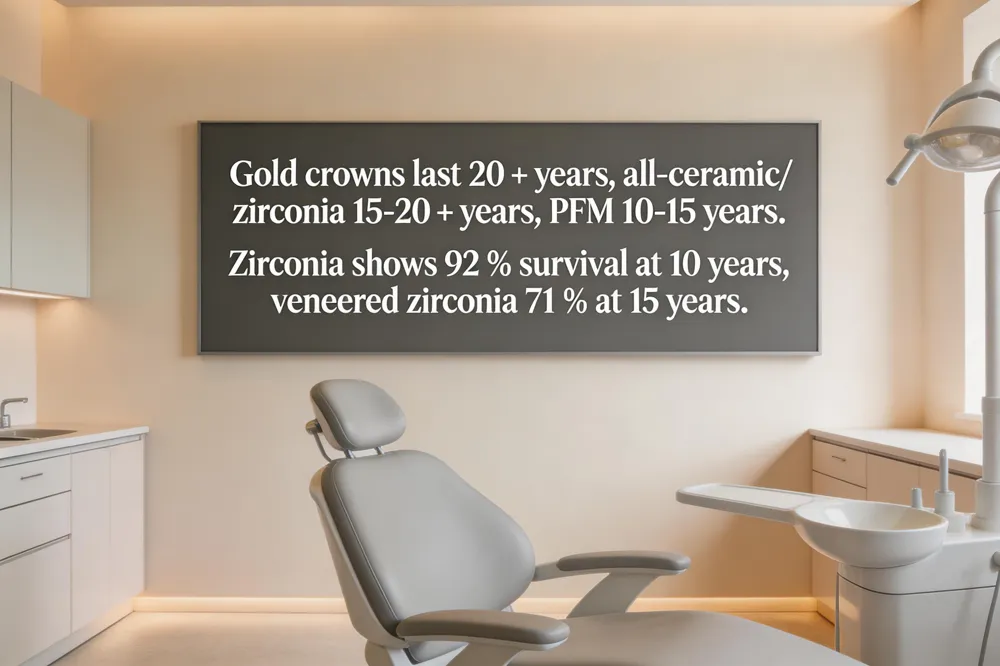 Choosing the right crown material is the first step toward long‑term success. Metal (especially gold) crowns are the most durable, often lasting 20 + years, while all‑ceramic and zirconia options provide excellent aesthetics with 15‑20 + years of service when cared for properly. Porcelain‑fused‑to‑metal (PFM) crowns balance strength and look, typically lasting 10‑15 years. Recent studies show survival rates of 92 % for zirconia after 10 years and 71 % for veneered zirconia after 15 years, whereas metal crowns often exceed 20 years without significant wear.
How long does a crown last on a molar? A molar crown usually endures 10‑15 years, but diligent oral hygiene, bi‑annual check‑ups, and avoiding hard foods can extend its life to 20 years or more.
Zirconia crown lifespan Monolithic zirconia crowns commonly survive 15‑20 years; their success hinges on quality material, precise fit, and protection from bruxism via a custom night guard.
Why do crowns only last 10 years? Decay at the margin, gum recession, material wear, and imperfect bonding can shorten a crown’s life. Regular cleanings, proper flossing, and a custom night guard can push the lifespan well beyond the average decade.
Oral Hygiene and Daily Care
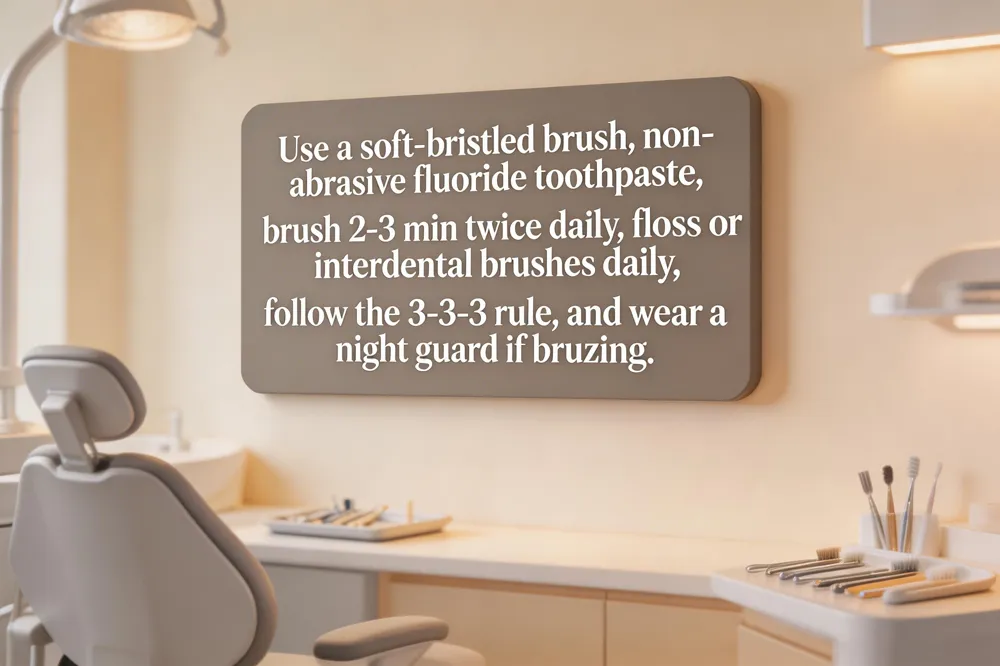 Daily oral‑care habits are essential to keep a dental crown healthy and functional. Use a soft‑bristled toothbrush and a non‑abrasive fluoride toothpaste; avoid whitening or charcoal formulas that can scratch porcelain or metal. Brush twice a day for two‑to‑three minutes, and consider the 3‑3‑3 rule: three minutes of brushing, a three‑hour gap before bedtime, and a three‑hour window without sugary or acidic drinks. Floss daily or employ interdental brushes to clear plaque from the crown margin, where decay can start. If you grind, wear a custom night guard to prevent cracks. Regular six‑month check‑ups let the dentist polish margins, detect early wear, and reinforce the cement seal. Following these habits—proper brushing, gentle flossing, and routine professional care—can extend a crown’s lifespan well beyond the average 10‑15 years.
Professional Maintenance and Check‑ups
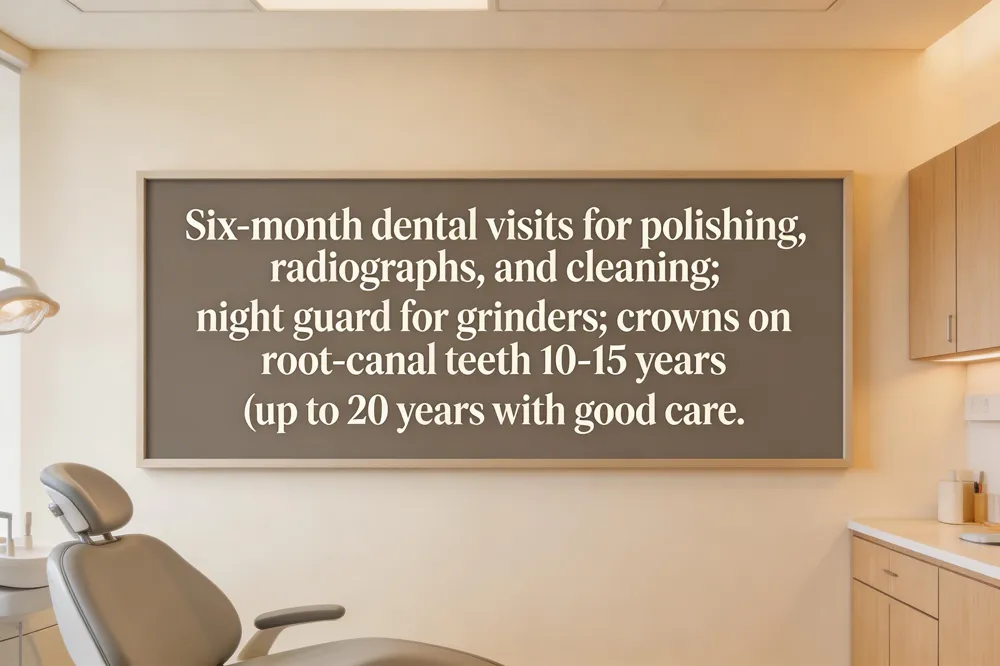
Cleanings and radiographs detect early decay, marginal leakage or gum recession that could undermine the restoration.
For patients who grind or clench, a night guard distributes bite forces and prevents cracks, chips or loosening of the crown.
How long do crowns last after root canal? Crowns on root‑canal‑treated teeth typically survive 10–15 years, and many reach 20 years when the canal is well sealed, the material is high‑quality and oral hygiene is diligent.
What happens to crowns after 10 years? Studies show 90‑95 % remain functional, though minor wear, marginal discoloration or occasional fracture may appear.
Dental crown lifespan reddit? Reddit users commonly report 12‑20 years of service, emphasizing careful brushing, flossing and prompt care.
Lifestyle Factors: Diet, Habits, and Bruxism
 Hard and sticky foods such as ice, hard candy, popcorn kernels, or caramel can chip, crack, or loosen a crown, especially porcelain or ceramic types that are more brittle. These forces concentrate at the crown margins and increase the risk of fracture.
Grinding or clenching (bruxism) subjects crowns to continuous pressure that can cause micro‑cracks, wear, or fracture. A custom‑fitted night guard distributes the force and protects the restoration from premature failure.
Potential disadvantages of crowns include irreversible removal of healthy tooth structure, possible post‑procedure sensitivity, the risk of loosening or cracking over time, higher cost compared with fillings, and occasional allergic or aesthetic concerns with metal alloys.
Disadvantages of dental crowns? Dental crowns require the removal of a portion of the natural tooth structure, which is irreversible and can weaken the remaining tooth. Patients may experience post‑procedure sensitivity, especially to hot or cold temperatures, as the tooth adjusts to the new restoration. Crowns can sometimes become loose, fracture, or develop cracks over time, necessitating repair or replacement. The procedure is typically more expensive than a filling or inlay, often involving multiple visits and laboratory fees. Finally, certain crown materials (e.g., metal alloys) may cause allergic reactions or aesthetic concerns for some individuals.
Can a dental crown last 40 years? Yes—while most crowns are expected to last 15‑30 years, certain materials can survive much longer. Gold crowns, for example, have been documented to remain functional for 40 years or more because the metal resists wear and decay. High‑quality porcelain‑fused‑to‑metal or all‑ceramic crowns can also approach the 30‑year mark when they’re placed correctly and the patient maintains excellent oral hygiene. Ultimately, the lifespan depends on the material chosen, the quality of the preparation, and how well the crown is cared for over time. With proper maintenance and regular dental visits, a well‑chosen crown can comfortably reach—or even exceed—four decades.
Can dental crowns be replaced? Yes—when a crown cracks, loosens, or the underlying tooth needs retreatment, it is removed, the tooth re‑prepared, and a new crown is fabricated and cemented.
Procedural Considerations: Placement, Fit, and Technology
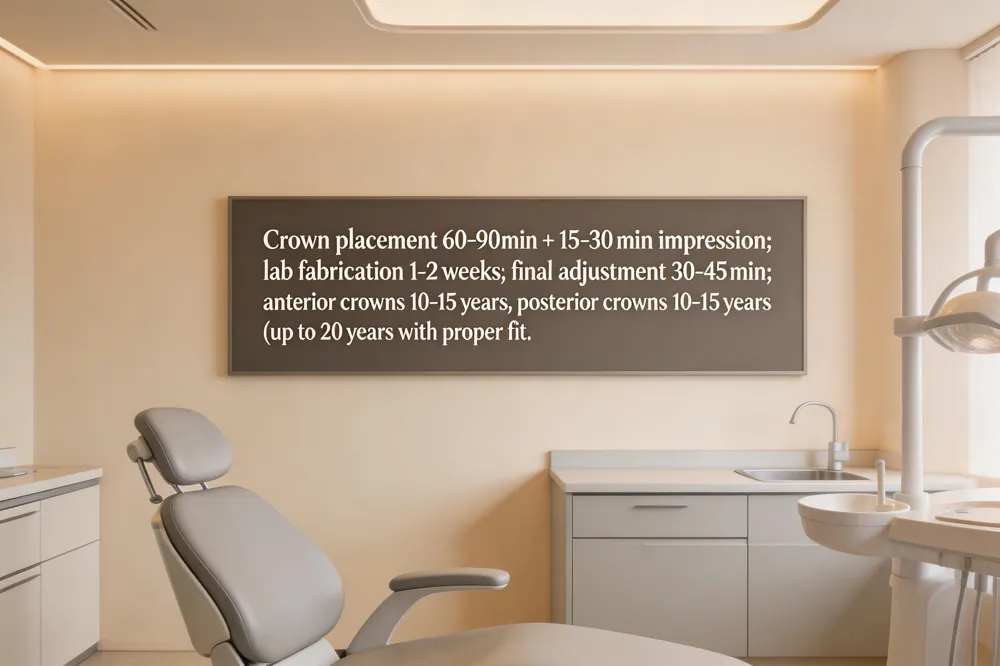 Dental crown how long does it take – The actual placement of a single crown typically takes 60–90 minutes, plus a 15–30 minute impression visit. Lab fabrication takes 1–2 weeks, and final adjustment adds 30–45 minutes; overall treatment spans about two to three weeks.
How long does a crown last on front teeth? – Anterior crowns usually last 10–15 years, with all‑ceramic or PFM options reaching 20 years when maintained with good oral hygiene, regular check‑ups, and protection against grinding or hard‑food habits.
Future Outlook and Advanced Materials
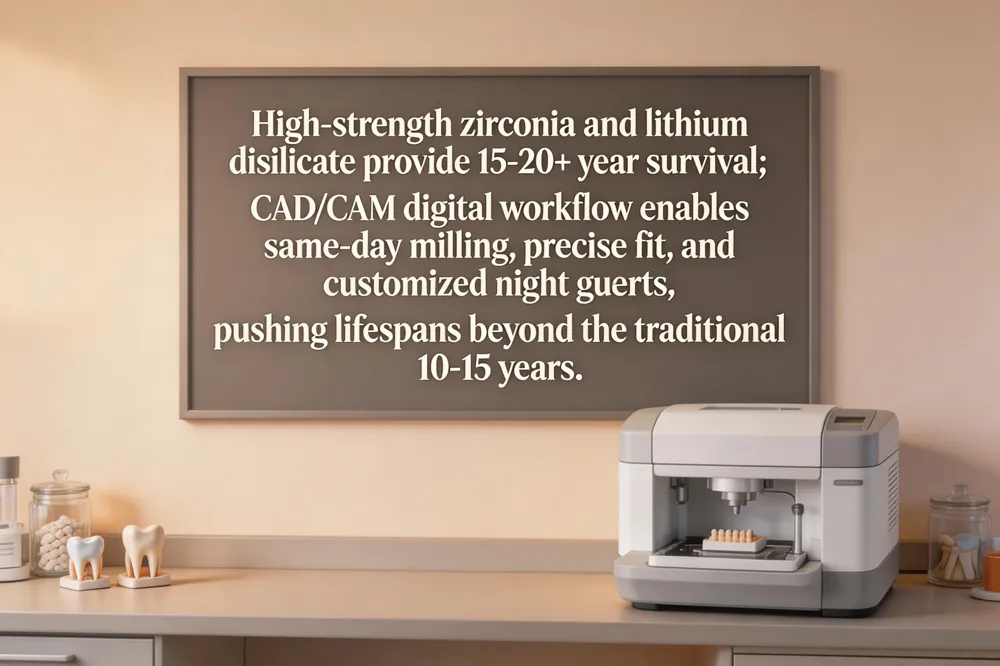 Advances in high‑strength ceramics—especially zirconia and lithium disilicate—are reshaping crown durability. Modern zirconia formulations now combine fracture‑resistance with translucency, allowing restorations that routinely survive 15‑20+ years, as documented in long‑term clinical studies showing >90% survival at the 10‑year mark and minimal failure beyond 20 years. These data reinforce zirconia’s role as a premier material for both posterior loads and aesthetic zones. Simultaneously, patient‑centered technology at Empower Your Smile leverages CAD/CAM milling and 3‑D digital impressions to achieve a precise fit, reducing marginal gaps that can trigger decay. The clinic’s workflow includes same‑day crown fabrication, custom night‑guard design for bruxism, and personalized maintenance plans that emphasize twice‑daily brushing with a soft‑bristled brush, fluoride toothpaste, and interdental cleaning. By integrating robust ceramic options with cutting‑edge digital dentistry and individualized oral‑care protocols, Empower Your Smile aims to extend crown lifespans well beyond the traditional 10‑15‑year horizon.
Putting It All Together for a Durable Smile
Keeping your crown strong hinges on five simple habits: choose a durable material, maintain flawless oral hygiene, attend bi‑annual check‑ups, avoid hard or sticky foods, and protect against bruxism with a night guard. Empower Your Smile makes it easy to stay on track—schedule your next visit today. Dr. Moezinia is ready to review your case and tailor the perfect crown solution for your smile. We’ll also discuss maintenance tips, warranty options, and financing plans to ensure long‑term confidence for you.