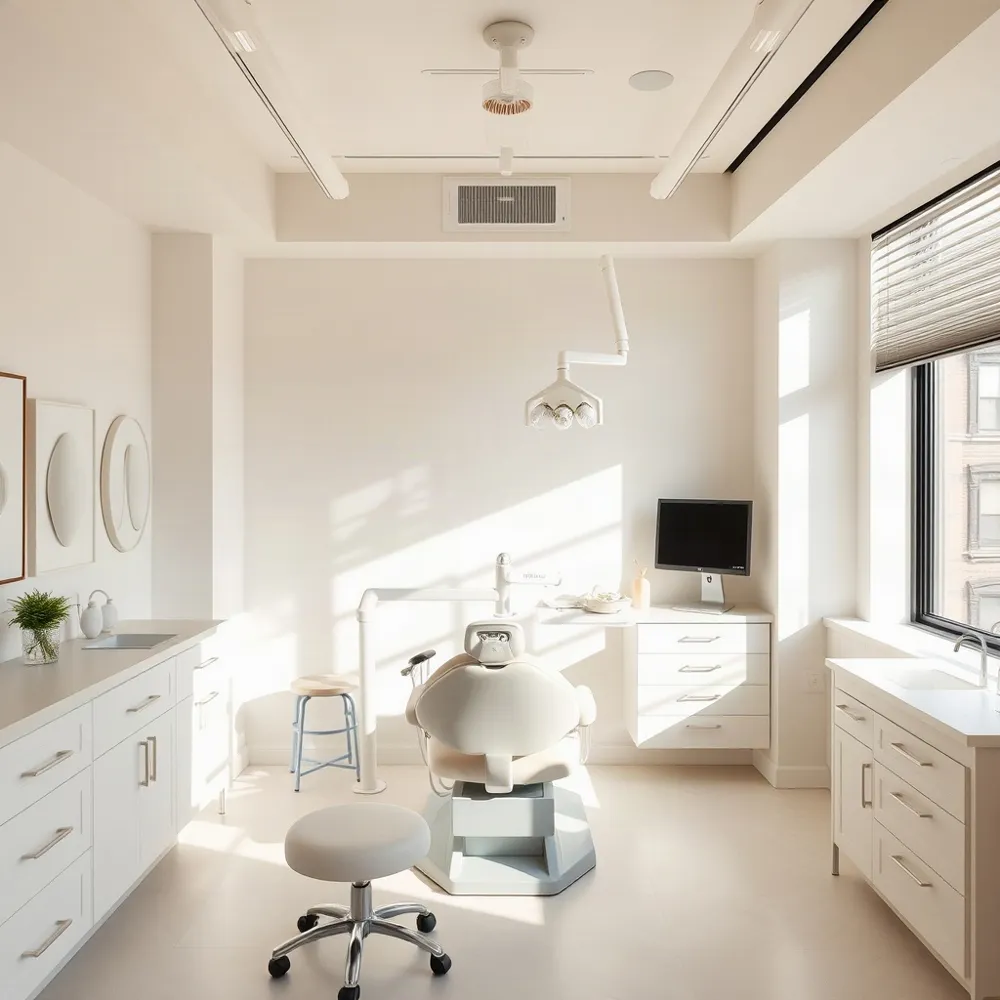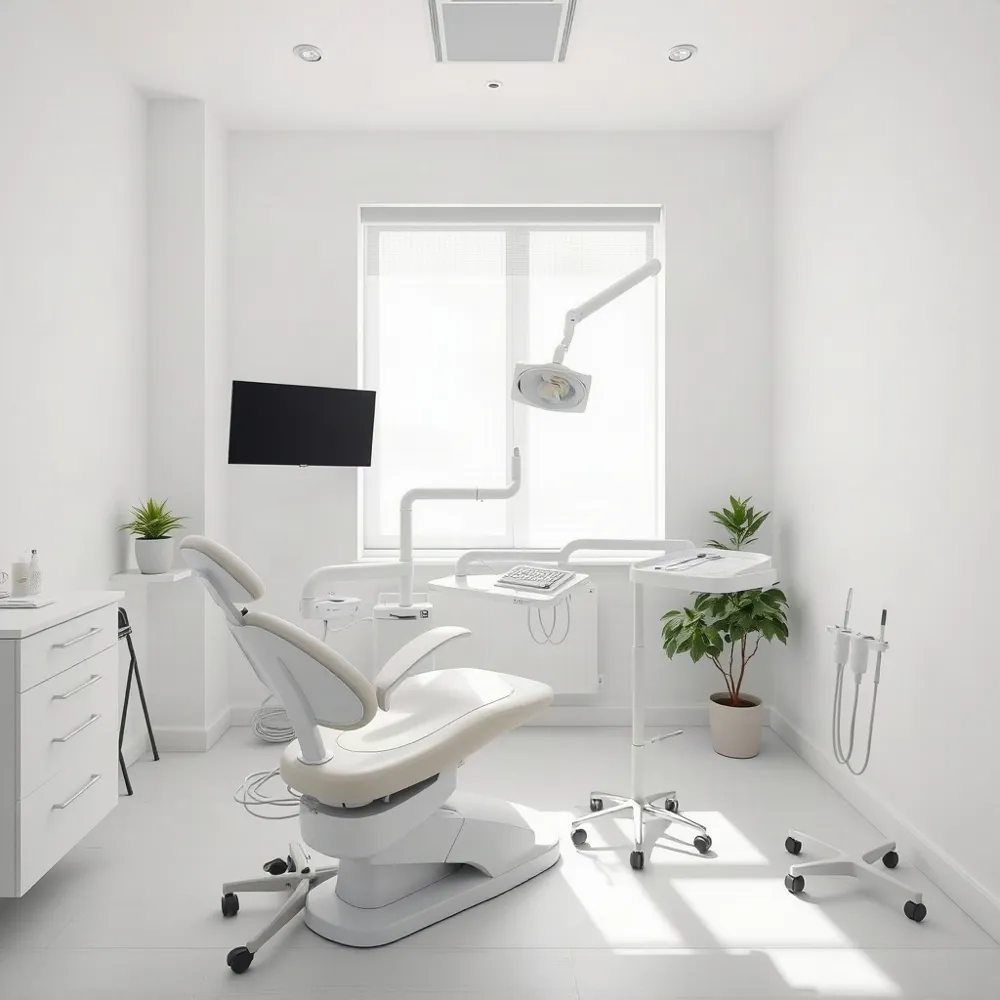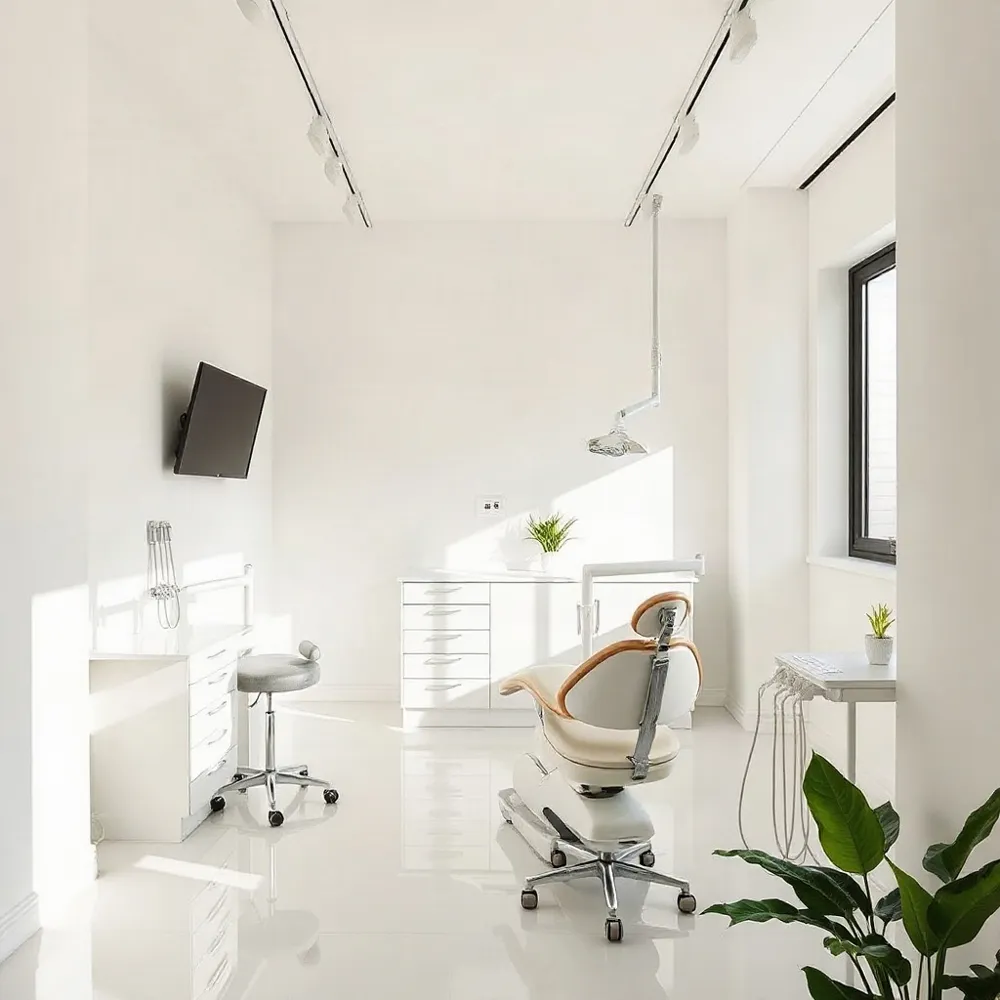
What Can Sedation Offer?
Dental sedation uses medication to help some patients feel calmer during care. It does not always mean being asleep, and the right approach depends on your health, concerns, and planned treatment.
Sedation may be worth discussing if fear, a strong gag reflex, trouble sitting still, or the treatment itself makes dental visits difficult. It can support relaxation, but it does not replace local anesthetic, which numbs the area being treated.
At the Walker Street office in Tribeca, Dr. Patricia Moezinia takes an unhurried approach to discussing patient concerns. Sedation dentistry is listed as a service at Empower Your Smile, but the methods available and whether they suit you should be confirmed directly with the practice.
What Happens During Sedation Dentistry?
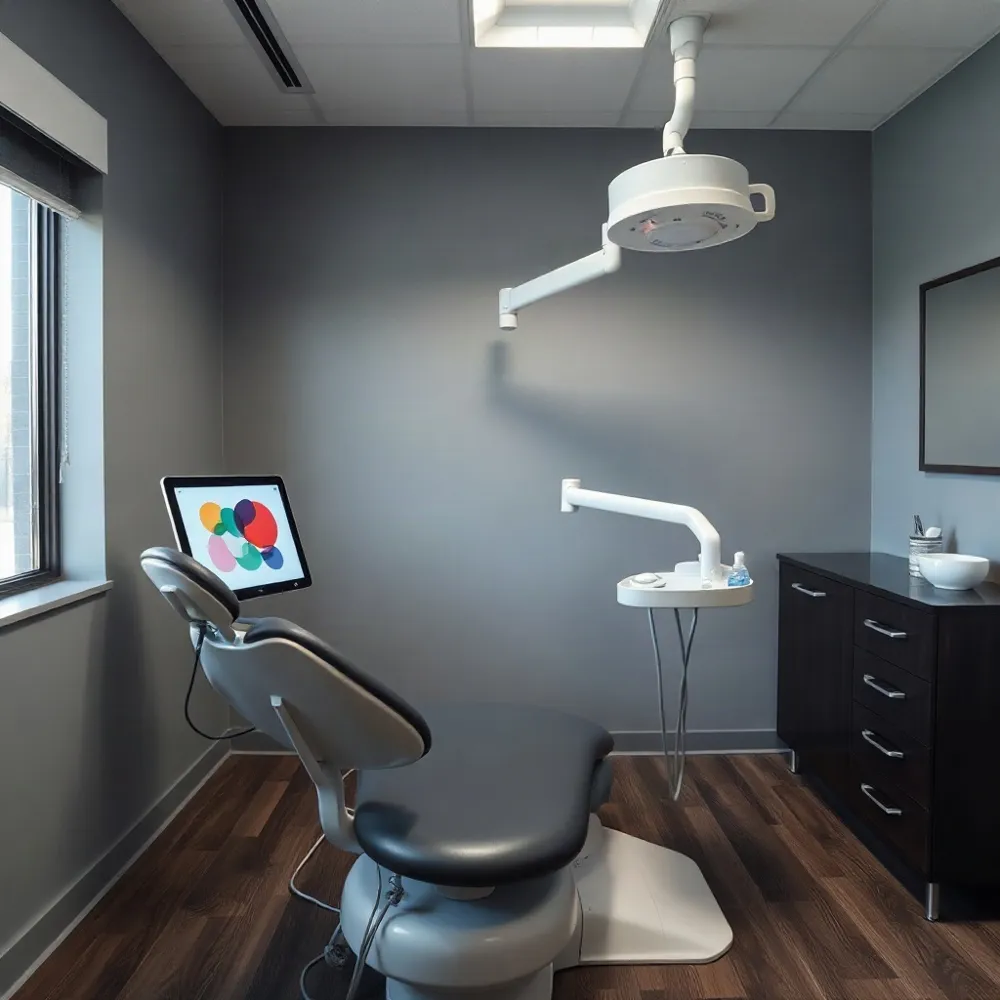 Dental sedation uses medication to help you feel calmer during dental care. It does not always mean being asleep, and the method used depends on your health, comfort needs, and planned treatment. At Empower Your Smile in Tribeca, sedation dentistry can be discussed as part of your care plan.
Before recommending an approach, the dentist should ask what concerns you about treatment and review your medical history, allergies, and current medicines. This conversation helps the team consider what may be suitable and explain any preparation, transportation, or aftercare instructions.
Options used in dentistry include nitrous oxide, breathed through a small mask; oral medication, taken by mouth; and medication given through an IV. These methods differ in how they are given and how relaxed or drowsy a patient may feel. General anesthesia is different: it makes a patient fully unconscious. These are broad examples, not a list of methods available at every practice.
The right method and level depend on the individual, their health, and the care planned. Dr. Patricia Moezinia can discuss which options are available at the practice and whether any may fit your needs. She can also explain what to expect and answer questions about preparation and recovery.
If dental visits make you uneasy, you can raise that concern before treatment begins. For other routine care, the team can also discuss exams and cleanings and how to make the visit more manageable.
Does Sedation Prevent Pain?
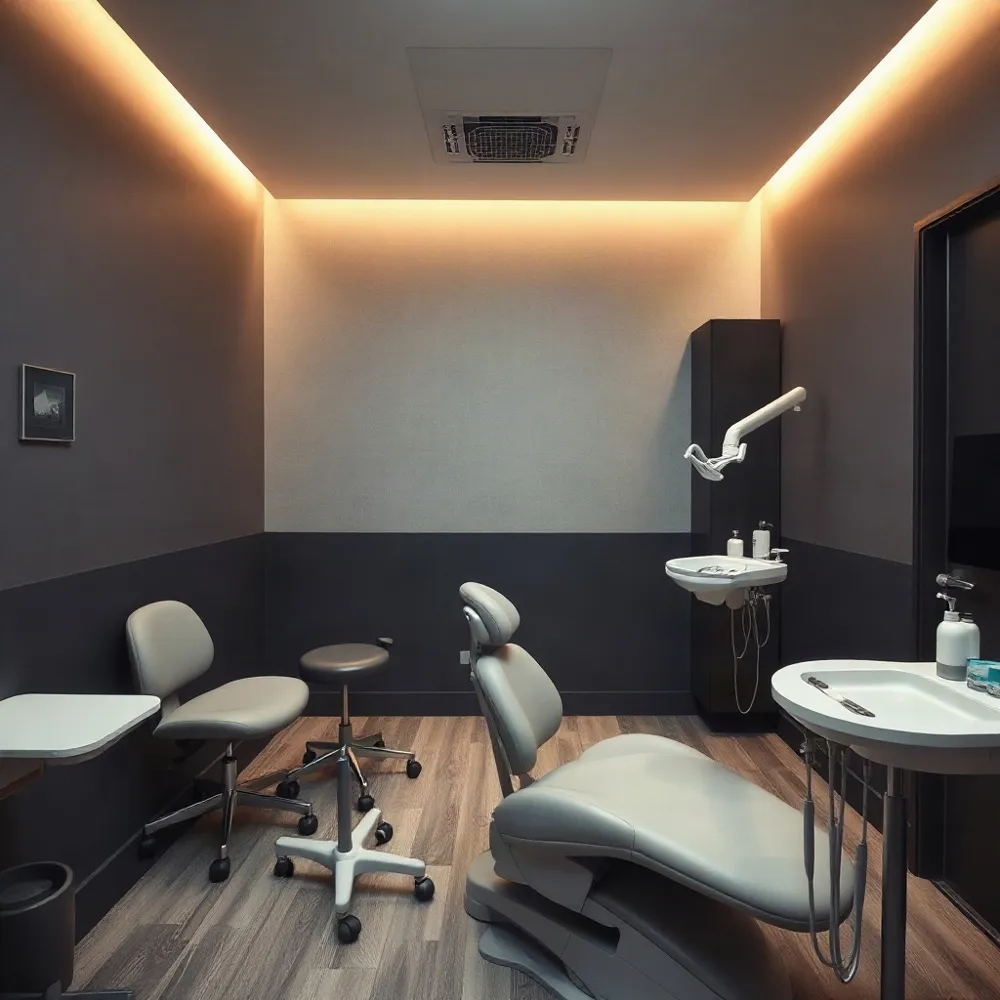 Sedation can help you feel calmer or drowsier, but it does not always prevent pain by itself. Your dentist may also use local anesthesia, medicine given to numb a specific area, as part of your comfort plan.
You may still notice pressure or movement during treatment. What you feel depends on the procedure and the sedation approach, so a pain-free experience cannot be promised.
At Empower Your Smile in Tribeca, Dr. Patricia Moezinia can explain the planned comfort measures before treatment. The practice offers sedation dentistry and root canal therapy, and the plan depends on your needs.
If you feel pain or discomfort, tell Dr. Moezinia. The team can pause and reassess your comfort measures, and you should follow your dentist's instructions.
How Is Sedation Safety Assessed?
 Dental sedation may help some people feel calmer, but it is not risk-free or right for everyone. Your health, medicines, allergies, and planned treatment all matter when your dentist considers whether sedation is suitable.
Is dental sedation safe?
Safety starts with a conversation and an individual assessment. Tell Dr. Patricia Moezinia about your medical conditions, allergies, all medicines and supplements you take, and any past experience with sedation or anesthesia. Be sure to mention sleep apnea or snoring, since breathing concerns may affect the discussion.
Ask what monitoring is planned, who will provide and monitor sedation, what you may feel or remember, and whether you will need an adult to accompany you. The practice lists sedation dentistry as a service, but you should confirm which options are available and appropriate for your care.
Preparation and recovery instructions vary by method and individual circumstances. Follow the instructions from your own dental team rather than general advice online, including any directions about medicines, food, transportation, or activities afterward.
Does dental sedation use oral medication, and which medicine is used?
Oral sedation means taking medication by mouth, often as a pill. The specific medicine depends on the person and treatment. Examples used in dentistry can include diazepam or triazolam, but these examples do not mean they are offered at Empower Your Smile. Do not take any medication unless your dentist directs you to.
Dr. Moezinia can discuss whether sedation is an option and explain what is available. When periodontal care is involved, she and board-certified periodontist Dr. Nicholas Toscano plan cases together; this does not indicate who provides sedation. At the Walker Street office in Tribeca, ask your questions before care begins.
To discuss your needs, book a free consultation at Empower Your Smile in Tribeca or call (212) 274-8338.
What Affects Sedation Coverage and Cost?
Insurance may cover dental sedation when it is considered necessary for a procedure or a patient’s needs, but coverage depends on your plan and the type of sedation. Before treatment, check your benefits and ask your insurer whether preapproval is required.
Does dental insurance cover sedation, and what affects the cost?
The cost can depend on the sedation method and how long it is used, the dental procedure, and your individual care needs. Dr. Patricia Moezinia can discuss whether sedation may be appropriate for your situation and explain the care being considered. Follow her instructions for your treatment and any preparation.
Empower Your Smile accepts PPO plans and offers financing, but coverage for sedation is not guaranteed. Review the practice’s insurance and financing information and ask about sedation dentistry when you contact the office.
To discuss your options, book a free consultation at Empower Your Smile in Tribeca or call (212) 274-8338.
Take the Next Step at Your Pace
Sedation is one option to discuss, not a one-size-fits-all solution. The right approach depends on your health, comfort needs, and planned care, and you should confirm directly with the practice which methods are available.
At a consultation, you can ask whether sedation may be suitable for you and what to expect before, during, and after treatment. Bring questions about preparation, monitoring, recovery, and insurance coverage so the team can explain your options clearly.
Book a free consultation at Empower Your Smile in Tribeca, or call (212) 274-8338 to discuss your concerns and take the next step at a pace that feels comfortable.