Introduction to Clear Aligners and Invisalign
Overview of Clear Aligners as a Modern Orthodontic Option
Clear aligners have become a popular choice for orthodontic treatment, offering a discreet and convenient way to straighten teeth. Made from transparent, smooth plastic, these custom-made trays gently move teeth over time. Their removability allows for easier eating and oral hygiene compared to traditional braces. Clear aligners can handle a range of dental issues, from mild crowding to more complex bite problems, making them a versatile option.
What Invisalign Is and Its Prominence in the Market
Invisalign is the leading and most trusted brand in clear aligner treatment, backed by over 25 years of clinical experience and more than 21 million patients treated globally. The system features patented SmartTrack® material, designed for comfort and predictable tooth movement. Invisalign treatments are guided by dental professionals, allowing for precise, customized care. This brand’s widespread adoption and continuous innovation have established it as the standard in clear aligner therapy.
Basic Differences Between Invisalign and Generic Clear Aligners
While Invisalign represents a proprietary brand with advanced 3D treatment planning and patented materials, generic clear aligners often prioritize affordability and accessibility. Invisalign provides detailed, doctor-supervised treatment plans and uses unique SmartTrack® plastic for a better fit and more predictable results. Other clear aligners may offer remote monitoring and lower costs but might not have the same level of customization or be suitable for complex cases. Ultimately, choosing between Invisalign and other clear aligners depends on individual orthodontic needs, budget, and treatment preferences.
Understanding Invisalign: Technology, Treatment, and Benefits
What makes Invisalign's SmartTrack material and technology unique?
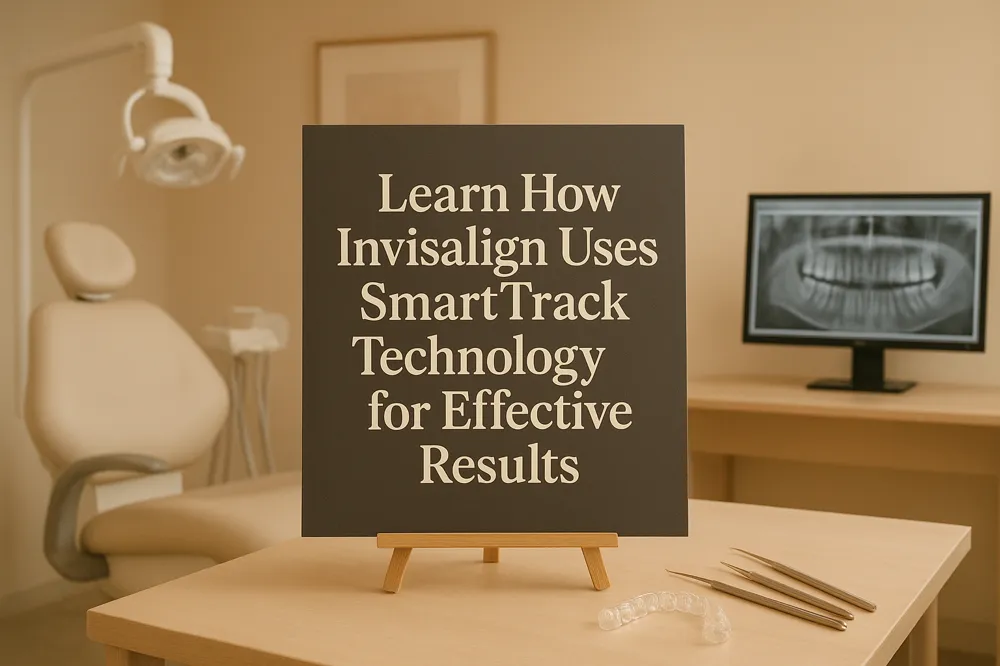
Invisalign clear aligners are made from patented SmartTrack™ material in Invisalign aligners, designed to improve the predictability and comfort of tooth movement. This BPA-free, FDA-approved plastic offers enhanced elasticity and a secure fit, applying gentle, constant force that helps teeth shift efficiently while minimizing discomfort. The use of advanced 3D imaging and proprietary ClinCheck software enables dentists to create highly precise, customized treatment plans.
What treatment options and duration does Invisalign offer?
Invisalign caters to a broad range of orthodontic needs, from mild to complex cases such as overcrowding, gaps, overbites, underbites, and crossbites. Treatment durations typically range from 6 to 18 months, with shorter timelines possible for mild to moderate cases under professional supervision.
How comfortable and discreet is Invisalign for patients?
Invisalign clear aligners are virtually invisible Invisalign aligners due to their clear plastic design, making them popular among adults and teens seeking a discreet teeth straightening option. Their smooth edges minimize irritation to gums and cheeks compared to traditional braces. Being removable, they allow patients to maintain excellent oral hygiene, eat without restrictions, and avoid food entrapment issues.
What should patients know about insurance, financing, and cost?
Invisalign treatment costs vary widely, generally ranging from $3,000 to $8,000 in the U.S. However, many dental insurance plans cover up to $2,500-$3,000 of orthodontic expenses, and Flexible financing for Invisalign options are commonly available. Health Savings Accounts (HSAs) and Flexible Spending Accounts (FSAs) can also be used to offset costs, making treatment more accessible.
Is Invisalign safe to use during pregnancy?
Invisalign is considered safe during pregnancy since aligners are made from FDA-approved, BPA-free materials and the treatment is non-invasive. Nonetheless, hormonal changes during pregnancy may increase gum sensitivity and inflammation, potentially causing discomfort. Maintaining excellent oral hygiene, consulting healthcare providers, and timing treatment to begin in the second trimester are recommended. Aligners should be removed during morning sickness episodes to prevent bacteria buildup.
Comparing Invisalign to Other Clear Aligners: Fit, Cost, and Suitability

What are the differences between Invisalign and other clear aligners like ClearCorrect or 3M?
Invisalign and other clear aligner brands, such as ClearCorrect and 3M Clarity, provide discreet orthodontic solutions but differ in material and design. Invisalign uses a patented SmartTrack® material known for superior elasticity, durability, and a scalloped trimline that contours snugly along the gumline. This design enhances comfort and fit during treatment.
ClearCorrect aligners are typically thinner, manually trimmed with a flat edge, and made of ClearQuartz material. While often more discreet due to their slim profile and matte finish, ClearCorrect aligners may offer slightly less precise customization and durability. 3M Clarity aligners come with unique design options—Flex and Force—for specialized tooth movements and use straight-edged trays.
How do costs and insurance coverage compare?
Invisalign treatments generally range from $3,000 to $8,000 USD, depending on treatment complexity and location. ClearCorrect offers a slightly more affordable option, ranging roughly from $2,000 to $8,000 USD, with flexible payment plans. Many dental insurance plans in the U.S. provide partial coverage for both Invisalign and other clear aligners, sometimes up to $3,000, making treatments more accessible.
Which aligners suit mild/moderate versus complex cases?
Both Invisalign and its competitors effectively address mild to moderate dental issues such as crowding, spacing, overbites, and underbites. However, Invisalign’s advanced 3D treatment planning, proprietary materials, and over 25 years of clinical experience often make it the preferred choice for complex orthodontic cases requiring precise tooth movements.
What should patients consider about treatment monitoring and compliance?
Invisalign typically requires in-office visits every 4-6 weeks for progress checks, aligning with traditional orthodontic care. Some other clear aligner brands may offer remote monitoring options, increasing convenience for busy or remote patients. Patient compliance is critical for both systems since aligners must be worn about 20-22 hours daily to ensure effective results.
| Feature | Invisalign | ClearCorrect | 3M Clarity Aligners |
|---|---|---|---|
| Material | SmartTrack® thermoplastic | Thinner ClearQuartz material | Flex & Force types for different movements |
| Fit | Scalloped, gum-contoured trimline | Flat edged, thinner trays | Straight edges |
| Treatment Range | Mild to complex cases | Mild to moderate cases | Mild to moderate cases |
| Average Cost Range (USD) | $3,000 - $8,000 | $2,000 - $8,000 | Varies, generally competitive |
| Insurance Coverage | Partial, up to $3,000 sometimes | Partial | Partial |
| Monitoring | In-office visits | In-office or some remote options | In-office visits |
| Wear Time | 20-22 hours daily | 20-22 hours daily | 20-22 hours daily |
Selecting between Invisalign clear aligners and other clear aligners involves weighing factors like treatment complexity, budget, fit preferences, and lifestyle needs. Consulting an orthodontic professional ensures the best match for individual orthodontic goals.
Who Should Consider Invisalign or Other Clear Aligners?
Who is an ideal candidate for Invisalign?
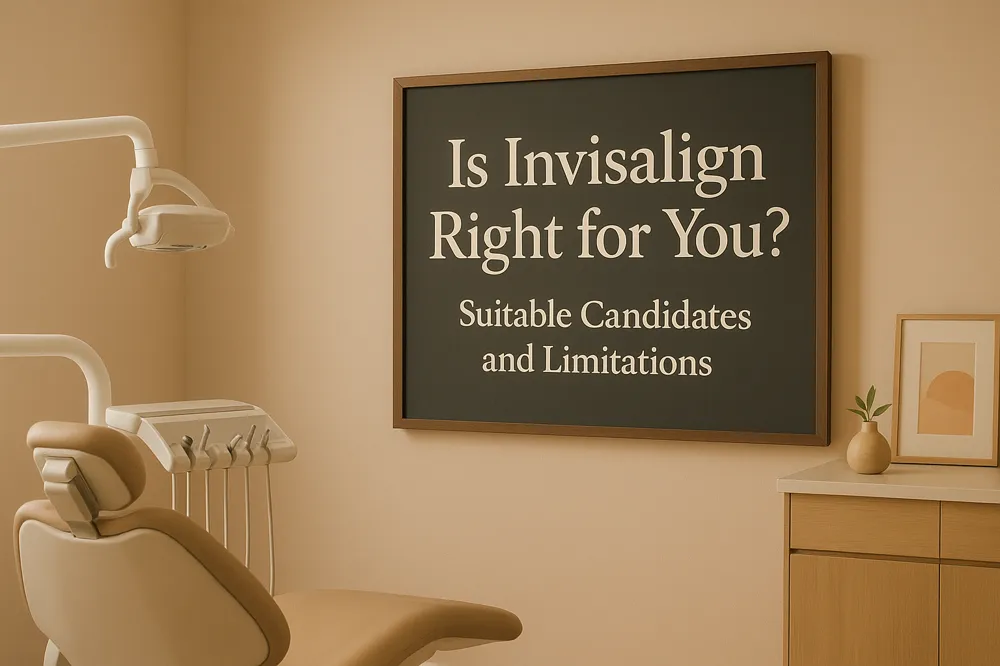
Invisalign clear aligners are popular among adults and teens who seek a discreet orthodontic treatment and comfortable alternative to traditional braces. It is also suitable for children aged 6 to 10 through Invisalign First system for children, a system designed to guide the growth of jaws and teeth early on. For older children with mostly permanent teeth, Invisalign effectively treats mild to moderate orthodontic issues. Overall, those with mild to moderate dental crowding, spacing, or bite concerns often find Invisalign a good option.
What are the limitations and contraindications of Invisalign?
While Invisalign is effective for many, it does have Limitations of Invisalign. It is generally not recommended for severe dental misalignments, significant bite problems, or complex orthodontic needs where precise control is crucial. Patients with active dental decay, gum disease, or jaw joint disorders should first address these issues. Invisalign may not work well for those with large, restored, or rotated teeth needing extensive adjustment.
Why is patient compliance important?
Success with Invisalign depends heavily on patient compliance with Invisalign and wearing the Invisalign aligners for 20 to 22 hours daily. Removal for eating, drinking (except water), and oral hygiene means the patient must be disciplined to maintain consistent wear. Non-compliance can lead to prolonged treatment or ineffective results.
Why might dentists not recommend Invisalign for some patients?
Invisalign may be unsuitable for patients with complex orthodontic problems requiring more control than clear aligners can provide. Dentists might recommend traditional braces in such cases. Additionally, individuals unable or unwilling to adhere to the strict wearing schedule may not get the desired outcomes. Therefore, a thorough evaluation by a dental professional informs the best orthodontic approach.
Patient Experience: Pros, Cons, and Common Concerns with Invisalign

What are the pros and cons of Invisalign for adults?
Invisalign offers a discreet orthodontic treatment, comfort of Invisalign, and convenient method of teeth straightening ideal for adults. The aligners are nearly invisible Invisalign aligners making them appealing to those wanting subtle dental correction. Since they are removable clear aligners, patients can eat without restrictions and maintain good oral hygiene and Invisalign by brushing and flossing with ease. Treatment typically lasts between 12 to 18 months, and the aligners cause less irritation than traditional braces.
The downsides include the need for strict compliance, wearing the aligners 20-22 hours daily to ensure effective progress. Adults with severe dental misalignments might find Invisalign treatment suitability and limitations and require traditional braces instead. Moreover, Invisalign cost in Canada treatment often costs more than braces, generally ranging from $3,500 to $5,000, and insurance coverage for Invisalign may be limited.
What is the Invisalign 30-minute rule and why is it important?
The Invisalign 30-minute rule advises patients to wait at least 30 minutes after eating or drinking anything other than water before reinserting the aligners. This waiting period allows saliva to neutralize acids and clear away food particles, helping protect tooth enamel from damage.
Inserting aligners too soon can trap harmful acids and bacteria against teeth, potentially causing erosion, cavities, and staining. Following this rule ensures a better fit for the aligners, maintains oral health, and supports efficient tooth movement throughout treatment.
Why do some patients quit Invisalign treatment early?
Patients may discontinue Invisalign treatment early for several reasons. Noncompliance with the required wear time—typically 20-22 hours per day—can reduce treatment effectiveness, leading to frustration. Some find the treatment duration too long or inconvenient, especially if discomfort during Invisalign treatment arises initially.
Others may stop if their cases are too complex or if they experience discomfort or dissatisfaction with results. Open communication with dental providers can help manage expectations and address concerns to encourage successful completion of the treatment.
Cost and Accessibility: Making the Right Choice Within Your Budget

What Are the Typical Cost Ranges for Invisalign and Alternatives?
Invisalign treatment cost compared to braces generally ranges between $3,000 and $8,000 in the United States, depending on the severity of the orthodontic issue and provider location. In Canada, costs range from about $2,100 to $6,800. Alternative clear aligners like ClearCorrect or Dandy often cost less, averaging from around $2,500 to $5,500, offering a more budget-friendly option for mild to moderate cases.
Does Insurance Cover Clear Aligners and Can HSAs or FSAs Be Used?
Many dental insurance plans, both in the U.S. and Canada, partially cover orthodontic treatments including Insurance coverage for Invisalign. Coverage can be up to $2,500 to $3,000. Patients can also utilize Health Savings Accounts (HSAs) or Flexible Spending Accounts (FSAs) to pay for treatment, enabling tax advantages and easing the financial burden.
What Financing Options Make Invisalign Accessible?
Providers often offer Flexible financing for Invisalign plans with low or no down payments and manageable monthly installments, making Invisalign more affordable. Examples include payments like $50 to $200 per month spread over 24 to 36 months. These options help patients spread the cost out without compromising treatment.
How Should You Balance Cost with Treatment Complexity and Outcomes?
While generic clear aligners tend to be cheaper, Invisalign SmartTrack material and advanced 3D treatment planning make it better suited for complex orthodontic problems. Invisalign's precision technology often results in shorter or more predictable treatment times and professional supervision. Choosing between Invisalign and other clear aligners involves weighing your specific dental needs, budget, and desired treatment outcomes.
| Factor | Invisalign | Other Clear Aligners | Notes |
|---|---|---|---|
| Average Cost | $3,000 - $8,000 | $2,500 - $5,500 | Invisalign cost in Canada is generally pricier due to brand and tech |
| Insurance Coverage | Often covered up to $2,500-$3,000 | Similar coverage available | Dependent on insurance plan (Insurance coverage for Invisalign) |
| Treatment Options | Suitable for mild to complex cases | Best for mild to moderate cases | Effectiveness of Invisalign for complex cases |
| Financing | Flexible monthly plans available | Financing options available | Helps make treatment affordable (Flexible financing for Invisalign) |
| Material & Comfort | SmartTrack™ proprietary material | Varies by brand | Invisalign SmartTrack material offers predictability and comfort |
In summary, aligning your treatment choice with your budget and orthodontic complexity is crucial. Consulting with your dental professional can help you select the most cost-effective and suitable clear aligner system.
Making an Informed Choice for Your Smile
Recap of Differences and Considerations
When choosing between Invisalign and other clear aligners, it's important to consider factors like treatment precision, comfort, cost, and duration. Invisalign, made with patented SmartTrack material, offers advanced customization and is often preferred for complex cases. Other clear aligners might be more affordable and suitable for mild to moderate corrections.
Professional Consultation and Personalized Planning
A healthcare provider’s guidance ensures a tailored treatment plan that meets your specific orthodontic needs. Professional supervision not only improves results but can also shorten treatment times.
Taking the First Step
Consult with an orthodontist or dentist to explore which clear aligner fits your lifestyle and goals. Starting your journey now moves you closer to a healthier, confident smile.