Why the Comparison Matters
Patients seeking a flawless smile often fear that veneers will look artificial, so they expect a result that mirrors the subtle shade variations, translucency and texture of their own enamel. Modern digital smile design, spectrophotometers and 3‑D scanning allow dentists to capture exact hue, opacity gradients and anatomical details, then fabricate ultra‑thin porcelain shells that blend seamlessly with surrounding teeth. This technology also guides precise tooth reduction, ensuring the veneer sits flush with the gum line and preserving healthy enamel. While the aesthetic payoff is compelling, clinicians must weigh it against oral‑health considerations such as adequate enamel thickness, bite forces and the risk of chipping or debonding. By integrating meticulous shade matching, conservative preparation and regular hygiene protocols, a natural‑looking, durable restoration can be achieved without compromising the tooth’s health.
Money Talk: What Porcelain Veneers Cost Compared to Natural Teeth
 Natural‑looking veneers typically range from $900 – $2,500 per tooth; porcelain veneers sit at the higher end ($1,500 – $3,200) because of their translucency and durability, while composite resin options cost $800 – $950 per tooth. The national average for a single porcelain veneer is about $1,765, but in New York City’s high‑cost market you can expect $2,000 – $2,900 per tooth for premium, custom‑crafted restorations. A pair of front‑teeth veneers therefore costs roughly $2,800 – $5,800 (porcelain) or $2,000 – $2,400 (composite). Full‑mouth smile makeovers (six‑to‑eight veneers) run $8,000 – $20,000+. Most practices offer financing plans, CareCredit, or other payment options, but dental insurance rarely covers cosmetic veneer work. Routine care for natural teeth (cleanings, exams, occasional fillings) is far less expensive per visit ($100 – $300), though over a decade the cumulative cost of veneers can exceed preventive care costs. Patients should discuss budgeting and financing during the initial consultation.
Aesthetic Match: How Natural Veneers Look and Feel
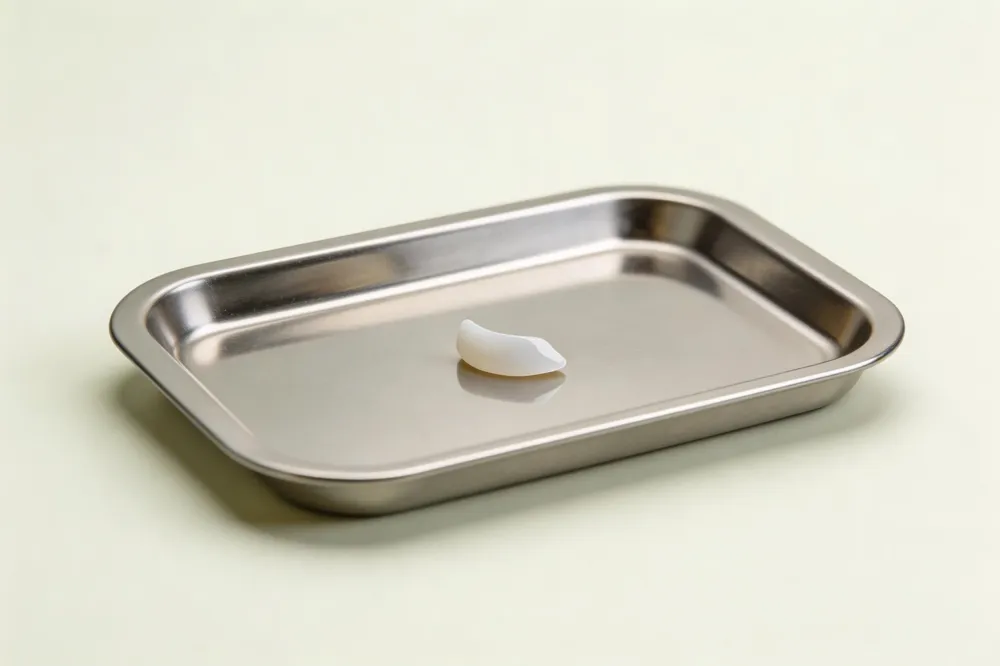
 Translucency and shade‑layering techniques give porcelain veneers a light‑reflective quality that mimics natural enamel. By stacking translucent and opaque porcelain, dentists replicate the subtle color gradients and surface texture of real teeth, creating a seamless blend. Digital smile design captures facial features, lip line, and gum symmetry, allowing the lab to fabricate veneers that fit precisely and harmonize with the patient’s smile. The result is a natural‑looking, uniform appearance even when a full mouth of veneers is placed; each thin shell (0.3–0.7 mm) is custom‑shaped to eliminate gaps, chips, and uneven lengths. Before‑and‑after photos show a dramatic transformation: discolored or chipped teeth become brighter, straighter, and evenly spaced, yet the final shade matches surrounding dentition so closely that close observers cannot tell the difference. Permanent veneers retain this lifelike look for 10‑15 years with proper hygiene, offering a confident, youthful smile.
Strength, Longevity, and Care: How Durable Are Veneers?
 Porcelain veneers are ultra‑thin ceramic shells that, when bonded with light‑cured resin, distribute chewing forces much like natural enamel, but they are not intrinsically harder than the enamel that protects a tooth. Enamel remains the hardest tissue in the body, so veneers can chip or fracture under excessive loads that natural teeth would simply withstand.
Typical lifespan for a well‑maintained porcelain veneer is 10‑15 years; with meticulous oral hygiene, regular dental check‑ups, and avoidance of hard foods, the restoration can often last 20 years or more. Composite veneers, being less durable, usually need replacement after 5‑7 years.
Because the procedure requires removal of a thin enamel layer, veneers are a permanent alteration. The bond can weaken, and the material may chip, crack, or stain, so periodic replacement is expected.
Patients should follow the 3‑3‑3 rule—brush three times a day for three minutes each, and replace the brush head every three months—to protect both natural teeth and veneers. Using a nightguard for bruxism and steering clear of habits like nail‑biting or chewing ice further prolongs veneer longevity.
Procedure, Fit, and Design: What Happens When You Get Veneers
 The journey begins with a minimal tooth preparation: a dentist removes only 0.3–0.7 mm of enamel to create space for a thin porcelain shell, preserving most of the natural tooth while allowing the veneer to sit flush and look natural. Next, digital smile design and shade‑matching technology (spectrophotometers, VITA color charts, and 3‑D scans) capture your tooth anatomy, lip line, and facial harmony. The lab then layers translucent porcelain to replicate the natural tooth’s gradient of color, translucency, and texture. Special cases—such as small gaps from missing teeth—can be addressed with custom‑designed veneers bonded to adjacent teeth or with snap‑on, no‑prep options that require no drilling.
Key Q&A
- [Porcelain veneers](https://jordanphamdentistry.com/how-natural-do-porcelain-veneers-look-compared-to-real-teeth/): Ultra‑thin ceramic shells bonded to the front of teeth, lasting 10‑15 years with proper care and offering a natural, radiant smile.
- Do veneers cover natural teeth underneath? Yes; they mask imperfections while the underlying tooth remains vital, requiring regular oral hygiene.
- Veneers for missing teeth: Custom veneers can fill small gaps; larger spaces may need implants or bridges for durability.
- Porcelain veneer color chart: Based on the VITA system (A‑, B‑ series), matched with a live shade‑matching wand to achieve a seamless match.
- Before and after: Treatment transforms stained, chipped, or misaligned teeth into a uniform, natural‑looking smile, as shown in before‑and‑after photos.
Weighing the Pros, Cons, and Patient Lifestyle Factors
 Porcelain veneers offer an instant, natural‑looking makeover by covering stains, chips, gaps, or mild misalignment with a thin, translucent shell that mimics enamel. They are minimally invasive (0.3–0.7 mm enamel removal), durable for 10–15 years, and highly stain‑resistant, yet the procedure is irreversible, can cause temporary sensitivity, and often costs $1,000–$1,500 per tooth without insurance coverage. Lifestyle matters: frequent staining foods (coffee, red wine) can dull the veneer over time, hard foods or bruxism may chip or wear edges, and diligent oral hygiene (soft brush, floss, regular check‑ups) is essential for longevity. Decision‑making should balance aesthetic goals, budget, and habits; patients with good oral health, low staining/biting risk, and a commitment to care are ideal candidates, while those who grind or consume many staining agents may need protective night guards or alternative treatments.
Final Thoughts: Matching Veneers to Nature
Choosing porcelain veneers is a balance of cost, durability, and aesthetics. While high‑quality lithium‑disilicate or feldspathic porcelain costs $900‑$2,500 per tooth, it offers 10‑15 years of stain‑resistance and a translucency that mimics natural enamel—making the investment worthwhile for many patients. The longest‑lasting result depends on a skilled cosmetic dentist who can accurately shade‑match, sculpt the veneer to the patient’s facial proportions, and achieve a flawless bond that feels like real tooth structure. Advanced digital smile design, spectrophotometers, and precise laboratory layering are essential tools in this process. Empowered patients who understand the irreversible enamel reduction, the need for diligent oral hygiene, and the value of a thorough consultation can make confident, informed choices and enjoy a smile that looks and functions naturally for years to come.