Understanding Scaling and Root Planing
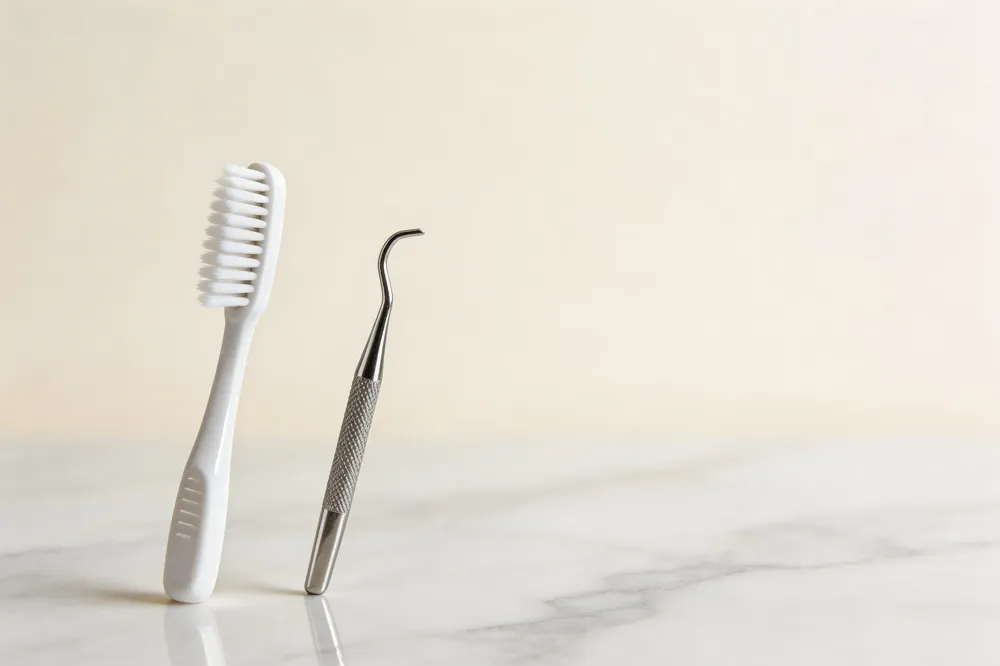
Scaling and root planing (SRP) is a deep‑cleaning, in which surgical removes plaque, calculus and bacterial biofilm from both above and below the gum line (scaling) and then smooths the exposed tooth‑root surfaces (root planing) to promote gum re‑attachment. Unlike routine prophylaxis, which only treats supragingival deposits and is performed every six months, SRP tackles sub‑gingival plaque that routine brushing and flossing cannot reach, often requiring ultrasonic scalers, hand curettes, and local anesthesia. The procedure is indicated when periodontal pockets exceed the normal 1‑3 mm depth—typically 4 mm or greater—or when patients exhibit signs of mild to moderate periodontitis such as persistent bleeding, swelling, bad breath, or bone loss. By eliminating bacterial irritants, SRP halts disease progression, reduces inflammation, and helps prevent tooth loss, making it the first‑line, nonsurgical therapy for gum disease.
Is SRP a Deep Cleaning?
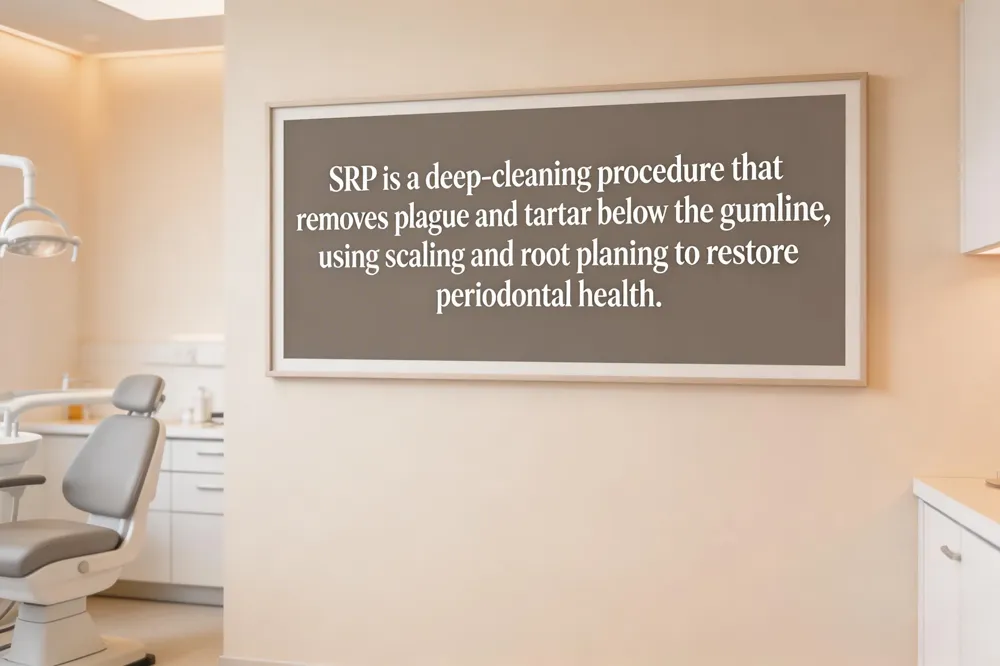 Scaling and root planing (SRP) is the clinical term for a deep‑cleaning procedure. Unlike routine prophylaxis, which removes plaque only above the gumline, SRP eliminates both plaque and hardened tartar from sub‑gingival areas that regular brushing or flossing cannot reach. The treatment consists of two steps: scaling, which uses hand scalers or ultrasonic devices to scrape away calculus and bacterial biofilm, and root planing, which smooths the exposed tooth root surfaces to prevent re‑attachment of plaque and to promote gum reattachment. Because the work is performed below the gum margin, local anesthesia is typically administered to ensure patient comfort. The combination of thorough debridement and root smoothing restores periodontal health, halts disease progression, and reduces the risk of tooth loss. In short, scaling and root planing is indeed a deep cleaning, aimed at removing deep‑seated bacterial irritants and fostering gum tissue healing.
When Deep Cleaning Is Necessary – Avoiding Unnecessary SRP
 Scaling and root planing (SRP) is indicated when clinical signs of periodontitis are present: periodontal pocket depths greater than 3‑4 mm, bleeding on probing, persistent bad breath, gum swelling, bone loss on radiographs, or recession that threatens tooth stability. A thorough exam—including probing, radiographic assessment, and assessment of plaque‑induced inflammation—confirms the need for deep cleaning. Treating gums that are healthy or only mildly inflamed can be unnecessary and may cause tissue irritation, temporary gum recession, increased soreness, transient bacteremia, and even scar‑tissue formation that hampers future healing. Over‑treatment also adds cost and recovery time without benefit. For patients without these indicators, optimal management focuses on rigorous at‑home oral hygiene (soft‑bristled brushing twice daily, daily flossing, antimicrobial mouth rinse), regular prophylactic cleanings every six months, and targeted education on smoking cessation and diet. By reserving SRP for truly diseased sites and emphasizing preventive care, clinicians protect the gingiva, preserve natural tooth structure, and avoid the risks associated with unnecessary deep cleanings.
Scaling vs. Routine Cleaning – What the Difference Means for You
 Prophylaxis (regular cleaning) is a preventive, six‑month dental visit that removes soft plaque and surface tartar from the crowns above the gumline, polishes enamel and helps keep gums healthy. It does not address sub‑gingival deposits. Therapeutic scaling and root planing (SRP) is a deep, nonsurgical treatment for mild to moderate periodontitis. Using ultrasonic scalers and hand curettes, the clinician removes hardened calculus and bacterial biofilm both above and below the gumline; root planing then smooths the tooth roots so gum tissue can re‑attach and bacteria have fewer niches. SRP is indicated when periodontal pockets exceed 3‑4 mm, bleeding on probing, persistent bad breath, or gum recession is present. Frequency differs: Prophylaxis is typically every six months, while SRP is performed once to a the diagnosis, followed by periodontal maintenance every 3‑4 months to monitor healing and prevent recurrence. In short, a routine cleaning maintains health; scaling with root planing treats disease and restores gum attachment.
Practical Guidance: Under‑Gum Clean, Cost, and After‑Care
 Under gum clean – An “under‑gum clean” is a subgingival (deep) cleaning that removes plaque, tartar and bacteria below the gumline. Performed as scaling and root planing (SRP) by a dentist, periodontist or hygienist, it smooths root surfaces so gum tissue can re‑attach, halting inflammation, bone loss and tooth loss. Local anesthesia ensures comfort during the procedure.
Teeth scaling cost – In the United States, scaling (deep cleaning) typically costs $180‑$300 per quadrant, with national averages of $240‑$290. A full‑mouth SRP (four quadrants) ranges from $750 to $1,200, depending on disease severity and geographic location. In NYC, prices are often at the higher end of this range, $350‑$480 per quadrant. Insurance plans usually cover 50‑80 % when deemed medically necessary, reducing out‑of‑pocket expenses.
Scaling and root planing cost without insurance – Without coverage, patients can expect $180‑$300 per quadrant; a complete mouth may exceed $1,200 in high‑cost markets. Additional fees for X‑rays, antibiotics or follow‑up visits can add $50‑$150.
Is scaling and root planing painful? – Local anesthesia eliminates pain during treatment. Post‑procedure soreness is mild to moderate, peaking within a few hours and resolving in 1‑2 days. Over‑the‑counter analgesics, warm salt‑water rinses and a soft‑food diet manage any discomfort effectively.
Maintaining Health After SRP – Frequency, Home Care, and Specialist Role
 Periodontal Maintenance Schedule
After scaling and root planing (SRP), American Academy of Periodontology recommends a periodontal maintenance visit every 3–4 months for patients with diagnosed gum disease. This frequent recall helps monitor pocket depths, remove new plaque/tartar, and prevent disease recurrence. Once the gums stabilize, many clinicians transition to the routine 6‑month prophylaxis schedule for low‑risk patients.
Home Oral‑Hygiene Techniques
- Brushing: Use a soft‑bristled brush at a 45‑degree angle to the gum line, employing gentle short strokes for two minutes.
- Flossing/Interdental Brushes: Slide floss into a C‑shape against each tooth to clean beneath the gum line, or use interdental brushes for larger spaces.
- Mouth Rinse: Rinse with an antimicrobial or fluoride rinse for 30 seconds to reduce bacterial load.
- Lifestyle: Stay hydrated, eat a vitamin‑rich diet, and avoid tobacco.
Periodontist Involvement & Surgical Options
Periodontists do perform deep cleanings (SRP) and lead periodontal maintenance. When deep pockets and bone loss persist despite SRP, surgical options such as flap surgery, soft‑tissue grafts, bone grafts, or guided tissue regeneration may be recommended to restore supporting structures and protect natural teeth.
Do periodontists do cleanings?
Yes—periodontists carry out therapeutic deep cleanings and ongoing maintenance, focusing on disease‑focused care rather than routine prophylaxis.
Periodontal disease treatment surgery
Surgery is considered when SRP alone cannot eliminate deep pockets or bone loss, employing techniques like flap surgery, grafts, or regeneration.
How to clean gum line
Brush at a 45‑degree angle, floss daily, use antimicrobial mouthwash, and maintain a balanced diet.
How many times do you need scaling and root planing?
Frequency varies; many patients require SRP every 6–12 months, with more severe cases needing visits every 3–4 months, guided by the periodontist’s assessment.
Bottom Line: Deep Cleaning Is Essential for Long‑Term Gum Health
Scaling and root planing (SRP) is the evidence‑based, gold‑standard nonsurgical therapy for moderate to severe periodontitis. By removing plaque and tartar both above and below the gum line and smoothing the tooth roots, SRP halts bacterial irritation, reduces pocket depth, and allows gum tissue to re‑attach, thereby preventing tooth loss and bone loss. Though patients may experience mild gum bleeding, temporary sensitivity, or brief soreness, these side effects resolve within days and are far outweighed by lasting benefits such as fresher breath, reduced inflammation, and lower systemic health risks. Empower Your Smile delivers SRP with personalized, comfort‑focused care—using local anesthesia, ultrasonic scalers, and, when needed, adjunctive antibiotics—to ensure a gentle experience and optimal healing. Following the deep cleaning, the practice emphasizes strict oral‑hygiene and regular periodontal‑maintenance visits every 3–4 months to maintain gum health for the long term.