Understanding Modern Dental Restoration Choices
A dental crown acts as a protective cap that covers a tooth entirely, helping to restore its original shape, strength, and function. When natural tooth structure is compromised by deep decay, fractures, or instability after a root canal, such restorations provide the durability required to prevent further loss of tooth integrity. Without these interventions, weakened teeth remain vulnerable to severe damage that may eventually necessitate extraction.
The field of restorative dentistry has shifted from manual, multi-visit processes toward more efficient digital workflows. Traditionally, patients faced two appointments separated by weeks, during which they wore temporary resins prone to sensitivity or dislodgment. Today, many practices use CAD/CAM (computer-aided design and manufacturing) to produce restorations in a single session. This evolution replaces messy physical putty with precise 3D digital imaging that minimizes marginal error.
At empoweryoursmile.com, we utilize this advanced technology to provide immediate care, ensuring that our patients receive high-quality, durable results without the wait required by traditional off-site laboratories. By choosing this approach, we prioritize both patient comfort and the preservation of healthy tooth structure, delivering a seamless experience that balances modern aesthetics with long-term functional reliability.
The Core Differences Between Fabrication Methods
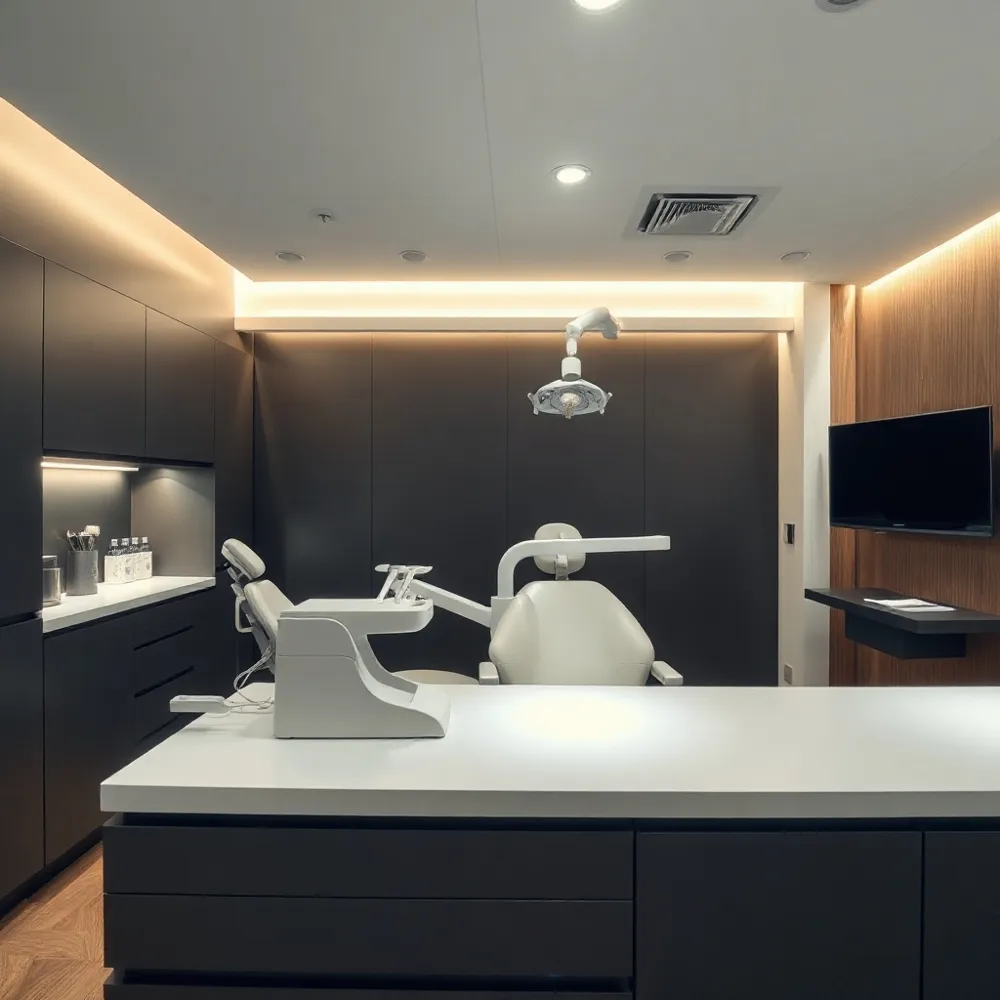 The primary difference between these options lies in the fabrication process, as same-day dental crowns utilize in-office CAD/CAM technology to design and mill your restoration in a single visit, while traditional crowns require a multi-step process involving an off-site dental laboratory. At empoweryoursmile.com, we use advanced digital workflows to prioritize both precision and patient comfort. While some practices rely on traditional methods, our approach ensures you receive a permanent solution without the wait.
Because same-day crowns are completed in one appointment, patients bypass the need for messy physical impressions, temporary crowns, and a second fitting visit. Traditional methods require a temporary restoration, which can be prone to displacement or discomfort. Conversely, researchers note that same-day technology reduces marginal error by replacing traditional physical putty, which often permits material distortion, with high-accuracy 3D intraoral scanning.
Traditional crowns often allow for a wider range of material options, such as gold or porcelain fused to metal, which may offer advantages for heavy-chewing molars or specific structural requirements. While lab-fabricated alternatives remain beneficial for complex fractures extending deep below the gum line where scanning creates challenges, many patients find the convenience of our single-visit ceramic restorations at empoweryoursmile.com to be the ideal balance. Ultimately, your choice should be based on a personalized assessment of your dental needs, the location of the tooth, and your preference for immediate results versus specific structural material requirements.
Navigating the Traditional Two-Visit Crown Process
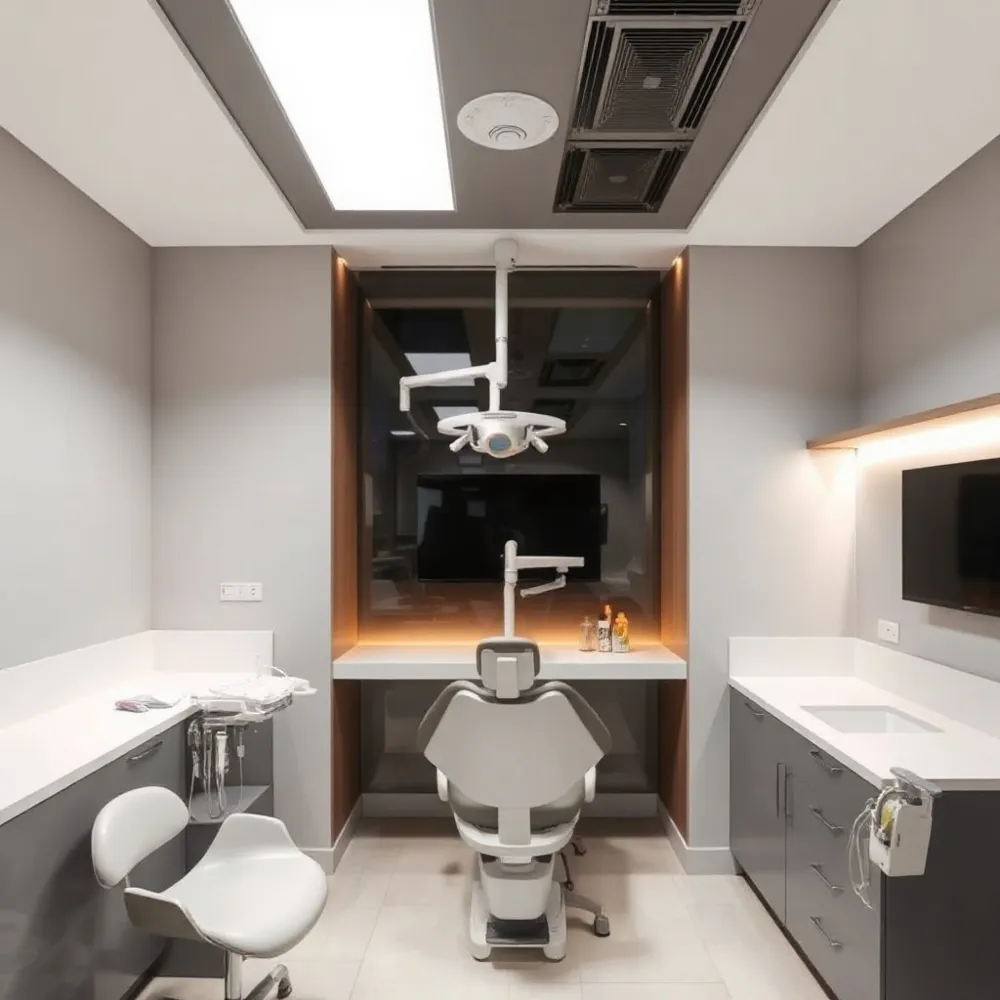 The traditional dental crown process typically spans two visits to the dentist over the course of several weeks. During your first appointment, the dentist will perform a thorough assessment, prepare the tooth by removing any decay, and take precise impressions of your teeth. You will then be fitted with a temporary crown to protect the prepared tooth while your permanent restoration is being custom-crafted in a dental lab. This fabrication stage generally takes about two to three weeks to complete. Once the permanent crown is ready, you will return for your final appointment to have it professionally fitted and securely bonded for a seamless, natural-looking result.
Managing Temporary Restorations
While awaiting your final restoration, the temporary crown serves as a critical shield for the exposed underlying tooth structure. At empoweryoursmile.com, we emphasize that temporary fixtures are not as robust as the permanent version. They are often made from resin and can be prone to loosening, breaking, or trapping plaque if not carefully maintained. Patients must practice diligent hygiene during this interval, as the fit of a temporary is less precise than the same-day dental crowns offered at our office, which eliminate these risks entirely by skipping the multi-visit workflow.
Living with a temporary crown requires dietary mindfulness. Hard, sticky, or exceptionally chewy foods are often forbidden to prevent the temporary from dislodging. Unlike the single-visit options at empoweryoursmile.com, which allow you to return to normal eating habits as soon as the bonding agent sets, the two-week waiting period inherent to laboratory fabrication keeps the treatment status in limbo. This gap between preparation and final placement is exactly what modern digital dentistry seeks to resolve for patients prioritizing both efficiency and comfort.
Pros and Cons of Single-Session CEREC Technology
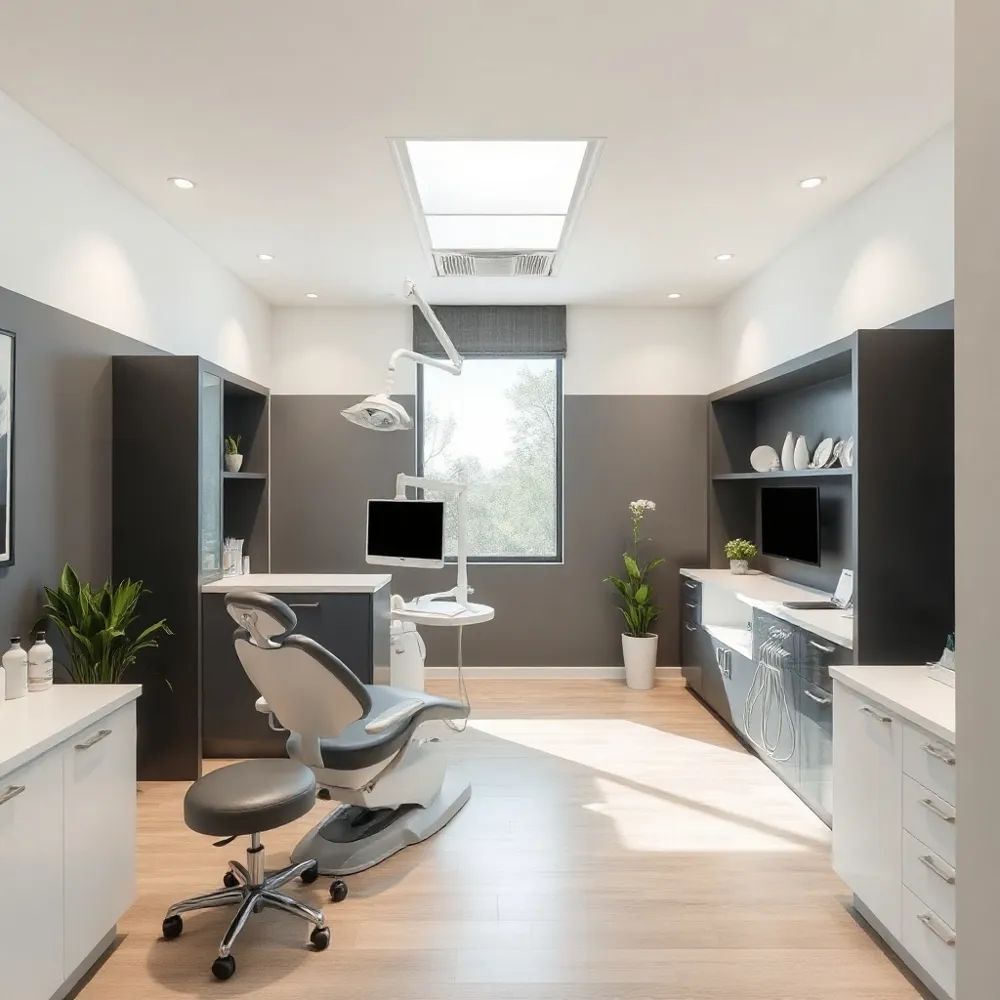 For busy professionals, the most significant benefit of CEREC technology is its efficiency. By replacing traditional impressions with precise 3D digital scanning, the process eliminates the two-week waiting period inherent in lab-fabricated restorations. At empoweryoursmile.com, we prioritize this technology to remove the need for temporary crowns, which are often prone to breakage or falling out between appointments.
The pros and cons of same-day dental crowns involve balancing modern convenience with specific clinical requirements. While digital dentistry offers exceptional accuracy, it is not a universal solution. Complex reconstructions, particularly cases where tooth fractures extend below the gumline, often remain better suited for traditional laboratory methods where a technician can manually account for sub-gingival margins.
What are the common pros and cons of choosing same-day CEREC crowns?
The primary advantage is the unrivaled convenience of completing the entire restorative process in a single office visit, which eliminates the need for messy putty molds and uncomfortable temporary crowns. These crowns are highly aesthetic, utilizing digital technology to create a custom-fit restoration that blends seamlessly with your natural smile. However, same-day crowns may generally come with a higher upfront cost due to the advanced technology required for their creation. Additionally, there are clinical limitations; for instance, they may not be suitable if the tooth damage extends below the gumline, as the digital camera cannot capture these hidden areas effectively. Finally, while ceramic materials are quite durable, they may not offer the same level of extreme strength as certain traditional lab-made options, such as porcelain-fused-to-metal, which are sometimes preferred for heavy-duty molar applications.
Quality outcomes with these digital systems are highly dependent on the operator. It is a technique-sensitive procedure that requires significant provider training, as the dentist must master both the CAD/CAM design software and advanced bonding protocols to ensure long-term retention. At empoweryoursmile.com, we ensure our approach yields consistent results by integrating these technical milestones with patient-centered care.
Investing in Your Smile: Cost and Material Comparisons
Many patients wonder if skipping the traditional lab process carries a higher price tag. In practice, same-day crowns are typically not more expensive than traditional lab-fabricated options. The total cost generally depends on the specific crown materials used rather than the fabrication method itself, with prices often ranging between $1,475 and $1,775. At Empower Your Smile, we utilize advanced chairside technology to provide efficient, modern care that eliminates the need for temporary restorations and repeat office visits, saving both time and potential administrative overhead.
Are same-day crowns more expensive than traditional crowns?
While same-day restorations use computer-aided design for immediate, onsite milling, traditional crowns often incur costs associated with physical labs and multiple appointments. Because insurance coverage typically uses the same treatment codes for both methods, patients can focus on their clinical needs rather than financial differences. Both approaches offer long-term value, as clinical data suggests that 97% of dental crowns remain fully functional after 10 years regardless of how they are made.
How do the material options like zirconia compare to standard CEREC crown materials?
Standard restorations are often milled from a single block of high-quality ceramic, which provides a natural translucency that mimics tooth enamel. While these are ideal for visible teeth, zirconia stands out for exceptional strength and fracture resistance. This makes it a preferred choice for load-bearing teeth that endure heavy biting forces. At Empower Your Smile, we help you select the material that balances your aesthetic goals with the functional requirements of your bite.
Empowering Your Choice in Dental Restoration
Selecting the right crown involves balancing convenience with specific clinical requirements. While same-day options provide exceptional efficiency, traditional laboratory-fabricated crowns remain a valuable, reliable alternative for complex cases involving deep fractures or specialized material needs. Regardless of the chosen path, long-term success fundamentally depends on your commitment to consistent oral hygiene to prevent secondary decay at the restoration margins.
Personal factors such as your daily bite force, aesthetic goals, and schedule influence which technology best serves your needs. To determine the most effective approach for your oral health, you should discuss these considerations with a dental professional during a personalized assessment.
If you are ready to evaluate your options, Empower Your Smile offers comprehensive exams and advanced diagnostic tools to guide your decision. Our dedicated team specializes in creating lasting, functional results designed to maintain your smile for years to come.