
Understanding Oral Cancer Screening
Oral cancer screening is a preventive exam your dentist or doctor performs to look for signs of cancer or precancerous conditions in your mouth. The goal is to detect abnormalities early, when treatment is most likely to succeed. Most dental professionals include this checkup as part of a routine dental visit, and it typically takes only a few minutes.
During the exam, your provider inspects your lips, gums, tongue, the roof and floor of your mouth, and the back of your throat. They feel for lumps or irregular tissue changes, and they look for red or white patches, sores that do not heal, and other suspicious areas. According to the Cleveland Clinic, the screening is quick, painless, and designed to identify early signs of oral cancer.
Early detection is important because oral cancer is highly treatable when caught in its earliest stages. The survival rate drops significantly once the disease spreads beyond the mouth, which is why screening is a standard part of dental care. Practices like Empower Your Smile include oral cancer screening as part of routine checkups, so you get this potentially life-saving exam without an extra appointment.
Who Needs Oral Cancer Screening?
 Oral cancer does not discriminate by age, and the risk factors are more common than most people assume. While routine dental visits are the natural starting point, certain groups face a higher chance of developing the disease and should prioritize screening even if they feel no symptoms. Knowing whether you fall into a higher-risk category can make the difference between catching a problem early and discovering it too late.
Adults over 40. Age is a significant factor. Most oral cancer diagnoses occur in people over 40, and the risk rises steadily with each decade. The CDC notes that the average age at diagnosis is 63, so anyone in this range should treat an annual screening as a routine part of their dental care.
Tobacco users. Smoking cigarettes, cigars, or pipes, and using chewing tobacco or snuff, substantially increase the likelihood of oral cancer. The Oral Cancer Foundation explains that tobacco use is one of the strongest risk factors. Quitting helps, but former users still benefit from regular screening.
Heavy drinkers. Alcohol consumption, especially when combined with tobacco use, multiplies the risk. People who drink heavily should discuss their history with their dentist and schedule screenings more frequently than the general population.
HPV-positive individuals. Human papillomavirus (HPV), particularly HPV type 16, is linked to a growing share of oral cancers, especially in younger, non-smoking adults. If you have tested positive for HPV or have multiple sexual partners, an oral cancer screening becomes an important preventive measure.
Sun-exposed individuals. Prolonged exposure to sunlight increases the risk of lip cancer. People who work outdoors, spend long hours in the sun, or have a history of sunburns should pay special attention to their lip health during screenings.
Beyond these categories, anyone with a personal or family history of cancer, a weakened immune system, or poor oral hygiene should be screened regularly. The Mayo Clinic recommends that adults get screened at least once a year, and more often if risk factors are present. Even if you do not fit any of these groups, a screening during your routine checkup is a low-cost, painless step that can provide peace of mind.
The Screening Process: What to Expect
An oral cancer screening is a quick, painless visual and tactile examination designed to identify suspicious tissue changes in the mouth before they become serious. The entire process typically takes only a few minutes and can be performed during a routine dental checkup. Because most early-stage oral cancers are asymptomatic, a systematic screening is often the only way to catch them at a point where treatment is still highly effective.
Visual Examination
The dentist begins by inspecting the entire oral cavity under bright light. This includes the lips, the inside of the cheeks, the gums, the tongue (including its underside), the roof of the mouth, and the back of the throat. The examiner looks for red or white patches, asymmetrical lesions, swelling, or any area that appears different from the surrounding tissue. The American Cancer Society notes that these visible changes are often the first warning signs that warrant closer inspection.
Physical Palpation
After the visual check, the dentist uses gloved fingers to gently palpate the tissues of the mouth, cheeks, and neck. This manual examination helps detect lumps, nodules, or areas of firmness that might not be visible to the eye. The floor of the mouth and the sides of the tongue receive special attention because they are common sites for hidden lesions. Palpation also extends to the lymph nodes in the neck, as enlarged nodes can indicate that an abnormality has begun to spread.
When Additional Tools Are Used
If the visual or tactile exam reveals anything suspicious, the dentist may use adjunctive screening tools. These can include special lights that highlight abnormal tissue, or a brush biopsy that collects cells for laboratory analysis. These tools are not part of the routine screening for every patient; they are reserved for areas that look questionable. The Mayo Clinic emphasizes that a screening is not a diagnosis, and any suspicious finding leads to a follow-up biopsy before treatment decisions are made.
Why the Exam Matters
Because oral cancer is often painless in its early stages, many patients do not realize they have a problem until it has advanced. Early detection significantly improves survival rates and reduces the complexity of treatment. The Oral Cancer Foundation reports that when oral cancer is found early, the five-year survival rate can exceed 80%, compared to a much lower rate when detected late. This is why routine screening is a standard part of a comprehensive dental visit.
| Exam Step | What It Involves | Why It Matters |
|---|---|---|
| Visual inspection | Look for red/white patches, swelling, asymmetry | Detects visible early lesions |
| Palpation | Feel for lumps, firm areas, neck lymph nodes | Finds hidden tissue changes |
| Adjunctive tools | Special lights or brush biopsy for suspicious areas | Confirms whether further testing is needed |
| Follow-up | Biopsy if screening is positive | Provides definitive diagnosis |
Key Signs Dentists Look For
Understanding what happens during an oral cancer screening can ease anxiety and help you prepare. The exam is quick, painless, and typically takes just a few minutes as part of your routine dental checkup. The dentist examines your mouth, throat, and neck for signs of abnormal tissue, using both visual inspection and physical palpation to identify any areas of concern.
The visual component involves the dentist looking at your lips, gums, tongue, roof of the mouth, and the back of your throat. They check for asymmetries, swellings, red or white patches, and other irregularities. The physical part involves gently feeling your jaw, neck, and floor of the mouth for lumps or enlarged lymph nodes that could indicate a problem. This comprehensive approach aligns with the screening guidelines recommended by leading medical institutions.
Advanced Screening Tools
While visual and tactile examination forms the foundation, many modern dental practices incorporate adjunctive technologies to enhance detection. These tools use specialized lights or dyes to highlight areas that might not be visible to the naked eye. The goal is to increase the likelihood of spotting early-stage abnormalities before they progress. Your dentist at Empower Your Smile in Tribeca, NYC, can explain which screening techniques are appropriate for your individual risk profile.
What the Results Mean
If the screening finds no suspicious areas, you're clear and can continue with regular checkups. However, finding an abnormality does not automatically mean cancer. Many findings are benign, such as irritation from a rough tooth or a canker sore. The dentist may recommend monitoring the area or performing a follow-up biopsy to determine the nature of the tissue. Remember, the purpose of screening is early detection, which is critical because treatment success rates are significantly higher when the disease is caught in its earliest stages.
| Screening Step | What Happens | What to Expect |
|---|---|---|
| Visual Exam | Inspection of all oral tissues | Takes 1-2 minutes, painless |
| Palpation | Feeling neck, jaw, and floor of mouth | Gentle pressure, no discomfort |
| Adjunctive Tools | Special light or dye enhancement | May slightly extend the exam time |
| Follow-up | Monitoring or biopsy if needed | Discussion of next steps, no immediate worry |
Why Early Detection Is a Lifesaver
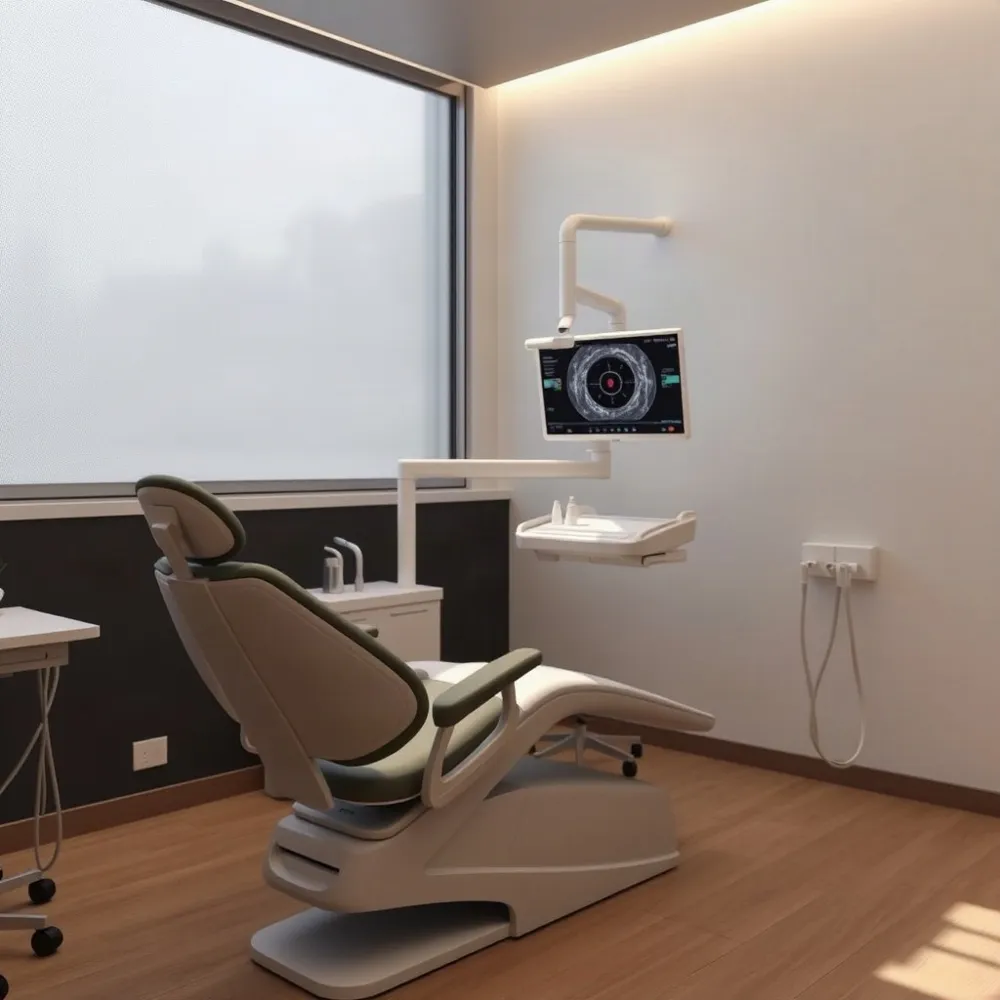 Oral cancer screening is a quick, painless exam that looks for signs of cancer or precancerous conditions in your mouth. The procedure usually takes only a few minutes and can be performed during a routine dental checkup. According to the Mayo Clinic, the goal is to identify early signs of disease before symptoms become obvious, when treatment is often more effective.
Early detection is the central reason screening carries so much weight. The Oral Cancer Foundation notes that finding oral cancer at an early stage dramatically improves the chances of successful treatment and reduces the likelihood of the disease spreading. That's why routine exams matter, not just for people with obvious symptoms but for everyone who wants to catch problems while they're still manageable.
What the Exam Involves
A standard oral cancer screening typically includes a visual inspection and a physical palpation of the lips, tongue, gums, cheeks, roof of the mouth, and floor of the mouth. Your dentist or hygienist looks for red or white patches, sores that don't heal, lumps, and other unusual changes. For a detailed breakdown of what to expect, the Cleveland Clinic explains the process step by step, including why certain areas are examined with extra care.
Some practices add advanced tools to improve accuracy. Oral Cancer Screening: Past, Present, and Future reviews how newer technologies such as fluorescence visualization and brush biopsy are being used to complement the traditional exam. These methods can help identify lesions that might otherwise be missed, though a physical examination remains the foundation.
Who Should Get Screened
Many professional organizations recommend that all adults receive an oral cancer screening at least once a year, while those with higher risk factors may need more frequent exams. The Mayo Clinic suggests that screening is especially important if you use tobacco, drink heavily, have had oral cancer before, or have a history of significant sun exposure to your lips.
Your risk profile should guide how often you're screened. Even if you don't fit the classic high-risk categories, the Mouth Cancer Foundation encourages everyone to become familiar with their own mouth and to report any persistent changes to a professional. Self-awareness between checkups can be a valuable complement to regular screening.
What Happens After the Screening
If the screening finds something suspicious, it doesn't necessarily mean you have cancer. Many abnormal areas turn out to be benign. The next step is usually a closer look or a biopsy to determine what the lesion is. The Oral Cancer Foundation explains that a proper exam should be thorough enough to catch potential issues early, giving you the best chance for a successful outcome.
Because early detection is so strongly linked to survival, making oral cancer screening a routine part of your dental care is a low-effort, high-value habit. If you haven't had one recently, now is a good time to ask your dentist about it. For more on why screening deserves a regular spot in your checkup, see why an oral cancer exam is critical during checkups.
How Often Should You Be Screened?
 Oral cancer can affect anyone, regardless of age, gender, or lifestyle. However, certain factors raise your risk substantially. Understanding these factors helps you decide how often you should schedule a screening, and whether you need one sooner rather than later.
High-Risk Groups
Tobacco use, including cigarettes, cigars, pipes, and smokeless products, remains the leading cause of oral cancer. Heavy alcohol consumption compounds the risk. The Mayo Clinic notes that individuals who both smoke and drink heavily face a significantly higher risk than those who do neither.
Age. Most cases are diagnosed in people over 40, though rising HPV-related cases are increasingly seen in younger adults.
HPV Infection. Certain strains of the human papillomavirus, particularly HPV-16, are linked to cancers at the back of the mouth and throat.
Sun Exposure. Prolonged sun exposure increases the risk of lip cancer, especially for those who work outdoors.
Personal History. A prior diagnosis of oral cancer or another head-and-neck cancer raises the likelihood of recurrence.
Even if you fall into none of these categories, the Oral Cancer Foundation recommends regular screening as part of routine dental care. Many early-stage oral cancers produce no symptoms, which is why routine exams matter.
How Often Should You Be Screened?
For most adults, an annual oral cancer screening during a routine dental checkup is sufficient. The Cleveland Clinic indicates that screening is typically performed during a regular dental visit, with higher-frequency examinations recommended for those at elevated risk.
- Adults with no risk factors: annually
- Smokers, heavy drinkers, or HPV-positive individuals: every 6 months
- Those with a history of oral cancer: every 3 to 6 months
- Patients with persistent symptoms (sores, lumps, or pain): immediately
At Empower Your Smile, Dr. Moezinia and her team integrate oral cancer screening into every comprehensive exam. Unlike a basic checkup, our screening includes visual inspection and tactile palpation of the lips, tongue, cheeks, and throat, along with advanced technology when indicated. This thorough approach helps detect concerns early, when treatment is most effective.
Some general dentists offer only a cursory glance during a cleaning; we take the time to perform a detailed, systematic examination. If you have any risk factors or simply want peace of mind, schedule a screening today.
What If Something Abnormal Is Found?
An abnormal finding during an oral cancer screening does not automatically mean you have cancer. Most suspicious spots turn out to be benign conditions such as irritation, a canker sore, or a fungal infection. According to the Cleveland Clinic, a screening is simply the first step in identifying areas that need a closer look, and many of these areas resolve on their own or prove harmless.
If your dentist spots something that does not fit a normal pattern, the next move is typically a biopsy. This involves removing a small sample of tissue and sending it to a lab for analysis. The Oral Cancer Foundation explains that a biopsy is the only definitive way to determine whether a lesion is benign or precancerous. Your dentist may also refer you to an oral surgeon or an ear, nose, and throat specialist for this procedure.
Why Early Detection Changes the Outcome
Finding oral cancer at an early stage dramatically improves treatment success and survival rates. Research published in the National Institutes of Health highlights that when oral cancer is detected early, patients have a much better prognosis and less invasive treatment options. This is why routine screening, even when you have no symptoms, is so valuable.
At Empower Your Smile, our team incorporates oral cancer screening into every comprehensive exam. We use advanced technology to identify suspicious areas early, and we guide you through each next step with clarity and compassion. Our goal is not just to detect problems, but to help you understand what they mean and what your options are.
| Finding | Likely Explanation | Next Step |
|---|---|---|
| Red or white patch | Irritation, lichen planus, or early precancer | Monitor or biopsy |
| Sore that doesn't heal | Trauma, infection, or malignancy | Biopsy or referral |
| Lump or thickening | Blocked gland, cyst, or tumor | Imaging and biopsy |
| Pain or numbness | Nerve involvement or inflammation | Referral to specialist |
If a biopsy does come back positive, remember that treatment for early-stage oral cancer is often highly effective, and your dental team will coordinate your care with specialists. Regular screening at Empower Your Smile ensures that if anything develops, it is caught as early as possible.
Does Insurance Cover Oral Cancer Screenings?
Oral cancer screening is not a one-size-fits-all appointment. While routine screening benefits nearly every adult, certain groups face higher risk and should prioritize regular exams. Understanding the guidelines and risk factors helps you decide when to schedule a screening and why early detection matters.
General Recommendations for Adults
Dental professionals generally recommend that all adults receive an oral cancer screening at least once a year, typically as part of a comprehensive dental checkup. According to the Mayo Clinic, oral cancer screening is a routine part of dental care for adults of all ages, regardless of whether they have symptoms. During this exam, the dentist looks for abnormalities in the lips, tongue, gums, and throat that could indicate early signs of cancer.
Unlike some medical screenings that target specific age groups, oral cancer screening is recommended for everyone. However, the Oral Cancer Foundation emphasizes that individuals with no known risk factors should still undergo regular screening, because oral cancer can develop in anyone, even without traditional risk factors. This universal approach is supported by research showing that early detection significantly improves treatment outcomes.
High-Risk Groups That Should Screen More Often
While annual screening is a good baseline, certain individuals should consider more frequent exams, sometimes every six months. The Cleveland Clinic identifies several factors that increase oral cancer risk, including tobacco use, heavy alcohol consumption, a history of oral cancer, and prior radiation therapy to the head or neck.
Tobacco users. Smoking cigarettes, cigars, pipes, or using smokeless tobacco significantly elevates risk. The more and longer you use tobacco, the higher your risk, so these individuals should not skip annual screenings.
Heavy drinkers. Chronic, heavy alcohol consumption is an independent risk factor. Combined with tobacco use, the risk multiplies dramatically, making regular screening even more critical for this group.
Prior cancer history. Anyone who has previously had oral cancer, or has been treated for other head or neck cancers, is at higher risk of recurrence or new primary tumors, warranting more frequent surveillance.
HPV exposure. Human papillomavirus (HPV), particularly HPV-16, is linked to oropharyngeal cancers. Individuals with a history of HPV-related conditions may benefit from more vigilant screening.
The Role of Age and Lifestyle
Historically, oral cancer was most common in adults over 40, with the average age at diagnosis being around 60. However, recent trends show a rise in oral cancers among younger adults, largely linked to HPV infection. A 2024 review in PMC notes that the demographic profile of oral cancer is shifting, making age a less reliable predictor and reinforcing the case for universal screening.
Lifestyle factors also matter. Even if you do not fit the classic high-risk profile, habits like excessive sun exposure to the lips, a diet low in fruits and vegetables, or a weakened immune system can contribute to risk. The Mayo Clinic advises that anyone concerned about their risk should discuss screening frequency with their dentist.
What to Expect During an Oral Cancer Screening
Knowing what happens during the exam can ease any anxiety. The Cleveland Clinic describes a typical screening: your dentist visually inspects your face, neck, lips, and the inside of your mouth, and then palpates your jaw, neck, and oral tissues to feel for lumps or irregularities. The entire process usually takes only a few minutes and is painless. Some practices may use special lights or dyes to help identify abnormal tissue, as described in this guide from the Oral Cancer Foundation.
If anything suspicious is found, it does not mean you have cancer. Most oral findings are benign, but your dentist may recommend a follow-up exam or a biopsy for further evaluation. Early detection through routine screening can be lifesaving, which is why regular oral cancer exams are a cornerstone of preventive dental care.
Cost and Insurance Considerations
Concern about cost should not deter you from screening. Many dental insurance plans now cover annual oral cancer screenings as part of a routine checkup, according to oral cancer screening statistics. If you are uninsured or want to know what to expect, a comprehensive dental exam is a worthwhile investment that can save money in the long run by catching issues early, as discussed in this cost guide.
| Risk Factor | Screening Frequency | Reason |
|---|---|---|
| General adult | Annually | Baseline prevention, early detection |
| Tobacco user | Every 6 months | Dramatically higher risk |
| Heavy drinker | Every 6 months | Independent risk factor |
| HPV-positive | Every 6 months | Links to oropharyngeal cancer |
| Prior oral cancer | Every 6 months or more | Recurrence risk |
The Lifesaving Value of Routine Screenings
Walking into an oral cancer screening for the first time can feel unfamiliar, but the process is quick, painless, and entirely non-invasive. Most screenings are performed during routine dental checkups when your dentist or dental hygienist examines your mouth for any signs of abnormality.
Visual examination. The dentist looks at your entire mouth, including your lips, gums, tongue, cheeks, the roof of your mouth, and the back of your throat. According to the Mayo Clinic, this visual check is performed to find abnormalities that could be cancerous or precancerous.
Physical palpation. The dentist gently feels your jaw, neck, and the floor of your mouth with gloved fingers. This helps detect lumps, masses, or tissue changes that are not visible to the naked eye.
Specialized tools. Some practices use advanced technology like fluorescent lights or specialized dyes to highlight suspicious areas. The Cleveland Clinic explains that these tools can make abnormal tissue more visible than looking at it under regular light.
The entire screening typically takes only a few minutes during a routine visit. If the dentist finds anything suspicious, they may recommend a follow-up biopsy to determine whether the tissue is benign or malignant. Early detection is the goal, and that's why organizations like the Oral Cancer Foundation stress the importance of regular screenings as part of your overall health routine.
What Happens After the Screening?
A normal screening result means no signs of cancer were found, and you can continue with your regular dental checkup schedule. If the dentist spots something suspicious, they might take a closer look or refer you to a specialist for a biopsy. According to PMC research, early diagnosis significantly improves treatment outcomes, so acting quickly on any abnormal findings is critical.
At Empower Your Smile, the screening process is part of every comprehensive dental exam. This means your oral cancer screening is seamlessly integrated into your regular visit, with no extra appointments or uncomfortable procedures. The practice is led by Dr. Moezinia, who emphasizes a comfortable, patient-centered approach, ensuring you understand each step of the exam and what the results mean.
| Screen Step | What's Involved | Time |
|---|---|---|
| Visual exam | Checking lips, gums, tongue, cheeks, and throat | 1-2 minutes |
| Palpation | Feeling jaw, neck, and floor of mouth for lumps | 1-2 minutes |
| Advanced tools | Using fluorescent light or dye to highlight abnormal tissue | Optional, adds 1 minute |