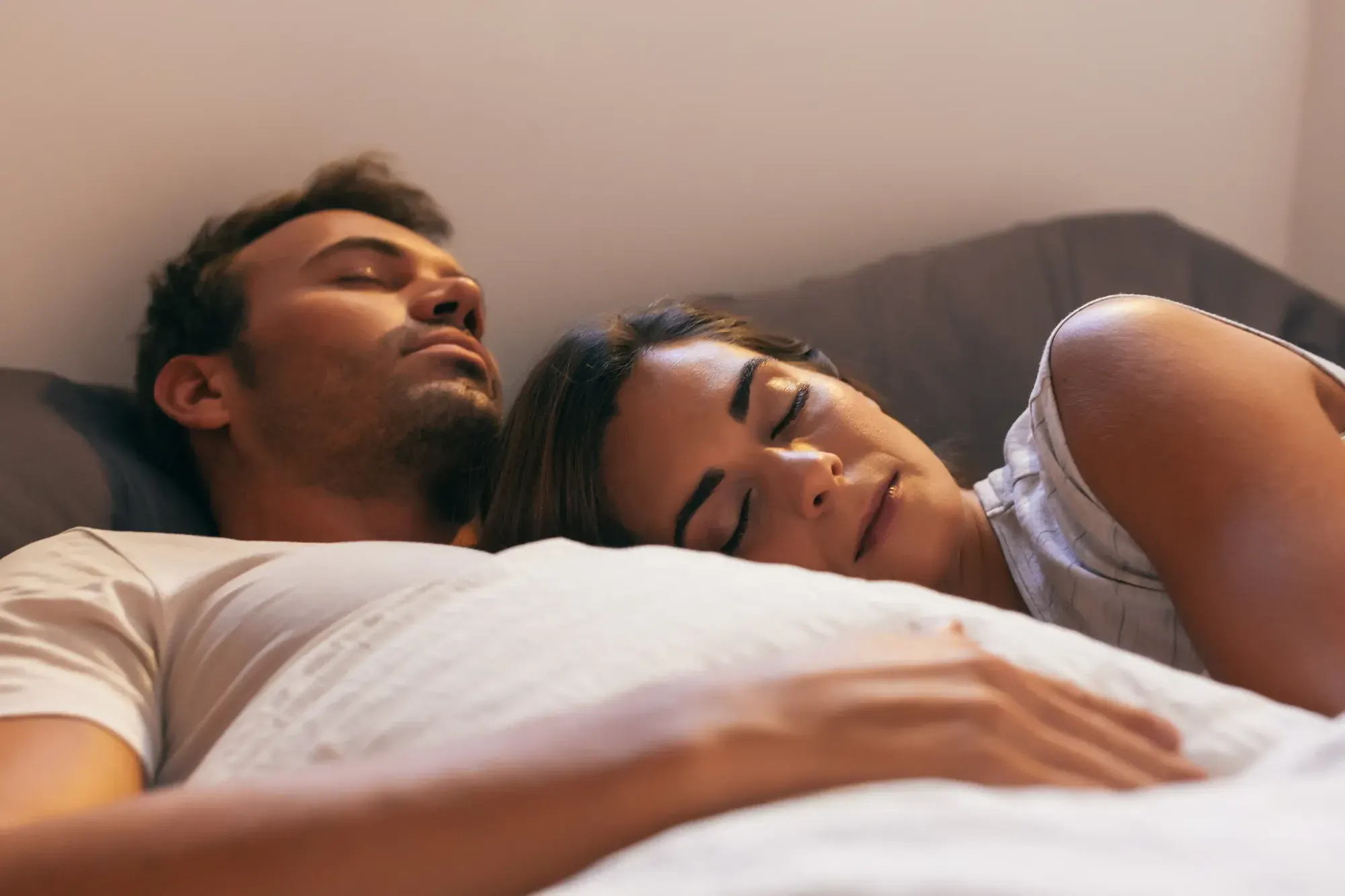
Sleep Apnea & Snoring Treatment in Tribeca
A custom-fitted oral appliance can quiet snoring and help keep your airway open while you sleep.
An oral appliance looks like a slim mouthguard. Worn only at night, it holds your lower jaw slightly forward so your airway stays more open.
It can help with snoring and with mild to moderate obstructive sleep apnea. It is also an option for people who can’t get used to CPAP. We work alongside your physician, who confirms the diagnosis first.
Medically reviewed by Dr. Patricia Moezinia, DDS, cosmetic and general dentist · Updated October 2026
Is this for you?
- My partner says I snore loudly
- I wake up tired even after a full night
- I’ve been told I stop breathing in my sleep
- My doctor diagnosed mild to moderate sleep apnea
- I’ve tried CPAP and can’t keep using it
What to expect
- 01
Talk it through
We listen to your symptoms and sleep history, and check your teeth, jaw and airway.
- 02
Confirm the diagnosis
If sleep apnea is possible, we refer you to a physician for a sleep study. Only a physician can diagnose it.
- 03
Take impressions
Once an oral appliance is the right choice, we take precise impressions or a digital scan of your teeth.
- 04
Fit and adjust
We fit your appliance, show you how to wear and clean it, and fine-tune the position over follow-up visits.
- 05
Check in over time
We keep an eye on your teeth, bite and comfort at regular visits, and your physician may suggest a follow-up sleep test.
Why Empower Your Smile
Decades of experience
Dr. Moezinia has cared for patients in Tribeca for more than 30 years, with a DDS from Columbia and a doctorate from the University of Paris.
Care that fits your life
We take the time to understand how you sleep and what you have tried before suggesting anything.
A full dental picture
Digital X-rays and a complimentary oral scan at your exam help us check that your teeth and gums are healthy enough for an appliance.
Snoring or sleep apnea?
Snoring is the sound of air moving past relaxed tissue in the throat. On its own it can be harmless, if tiring for the people around you.
Obstructive sleep apnea is different. Breathing pauses again and again during sleep, often with gasping or choking. Signs include loud snoring, morning headaches, a dry mouth on waking and heavy daytime sleepiness. Left untreated, it is linked to high blood pressure, heart disease and stroke.
You can’t tell the two apart at home. A sleep study ordered by a physician is the only way to diagnose sleep apnea. Oral appliances are a recognized treatment for mild to moderate obstructive sleep apnea and for people who can’t tolerate CPAP. Severe cases usually need CPAP or other medical care.
Questions, answered
Something else on your mind? Call us at (212) 274-8338.
Can a dentist treat sleep apnea?
A dentist can make and fit an oral appliance once a physician has diagnosed sleep apnea, usually after a sleep study. We work with your doctor so your care is coordinated.
Is an oral appliance a good alternative to CPAP?
For many people with mild to moderate obstructive sleep apnea, or who can’t tolerate CPAP, it can be. It is quiet, small and easy to travel with. Your physician will help decide whether it is right for you.
Will a mouthguard stop my snoring?
A custom appliance that moves the lower jaw forward often reduces snoring. Over-the-counter guards fit loosely and can strain your jaw. If you snore loudly, it’s worth ruling out sleep apnea first.
Are there side effects?
Some people notice jaw soreness, extra saliva or a slight change in how their teeth meet in the morning. These are often mild and settle with adjustments. We check your bite at follow-up visits.
How do I know if I have sleep apnea?
Loud snoring, pauses in breathing that someone else notices, gasping at night and constant tiredness are common signs. Only a sleep study can confirm it, so talk to your physician or ask us for a referral.
You may also consider
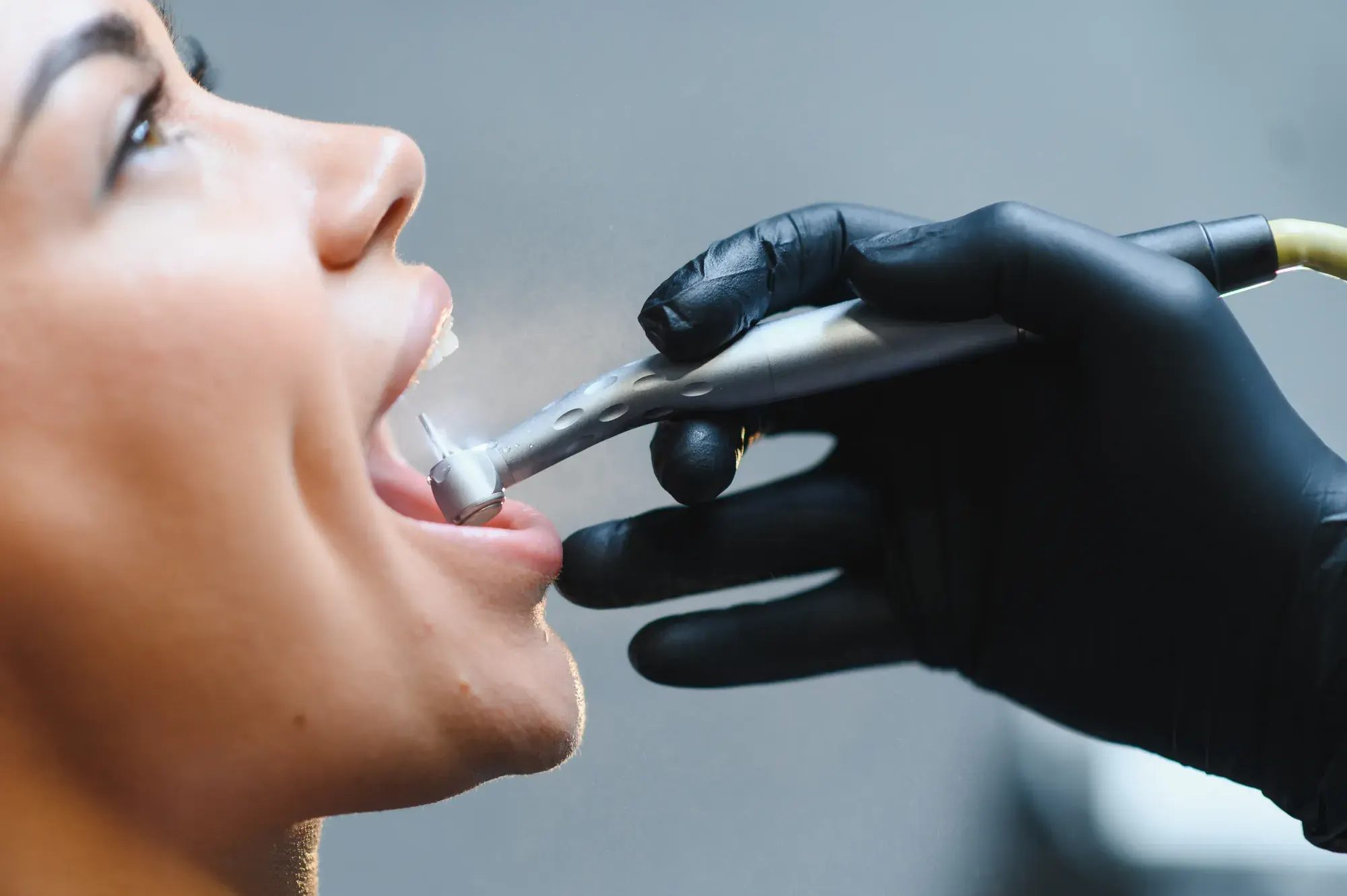 Exams & CleaningsA full, unhurried look at your teeth and gums, with a gentle cleaning in the same visit.
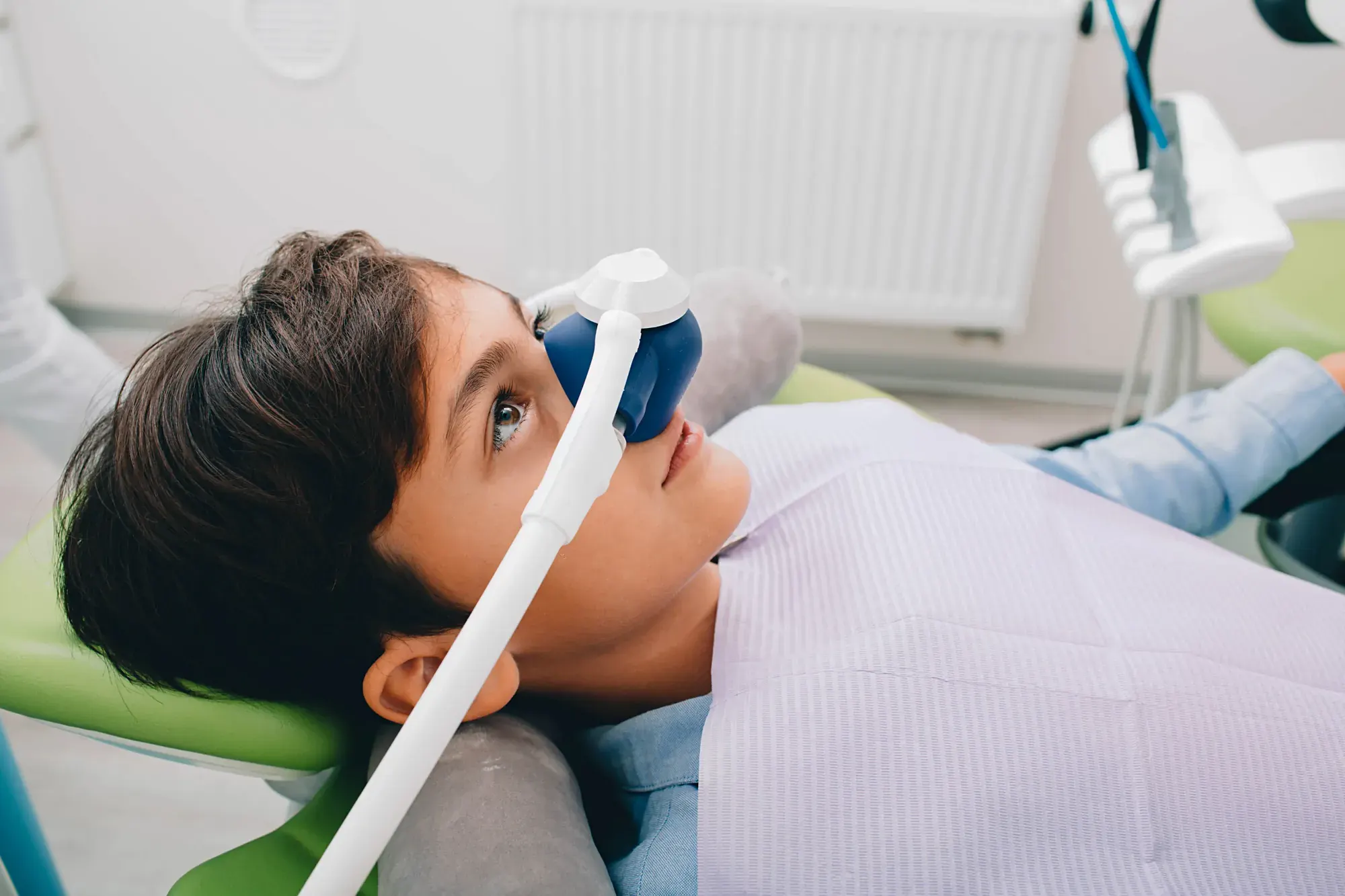 Sedation DentistryIf the dentist makes you nervous, we go at your pace and offer gentle ways to help you relax.
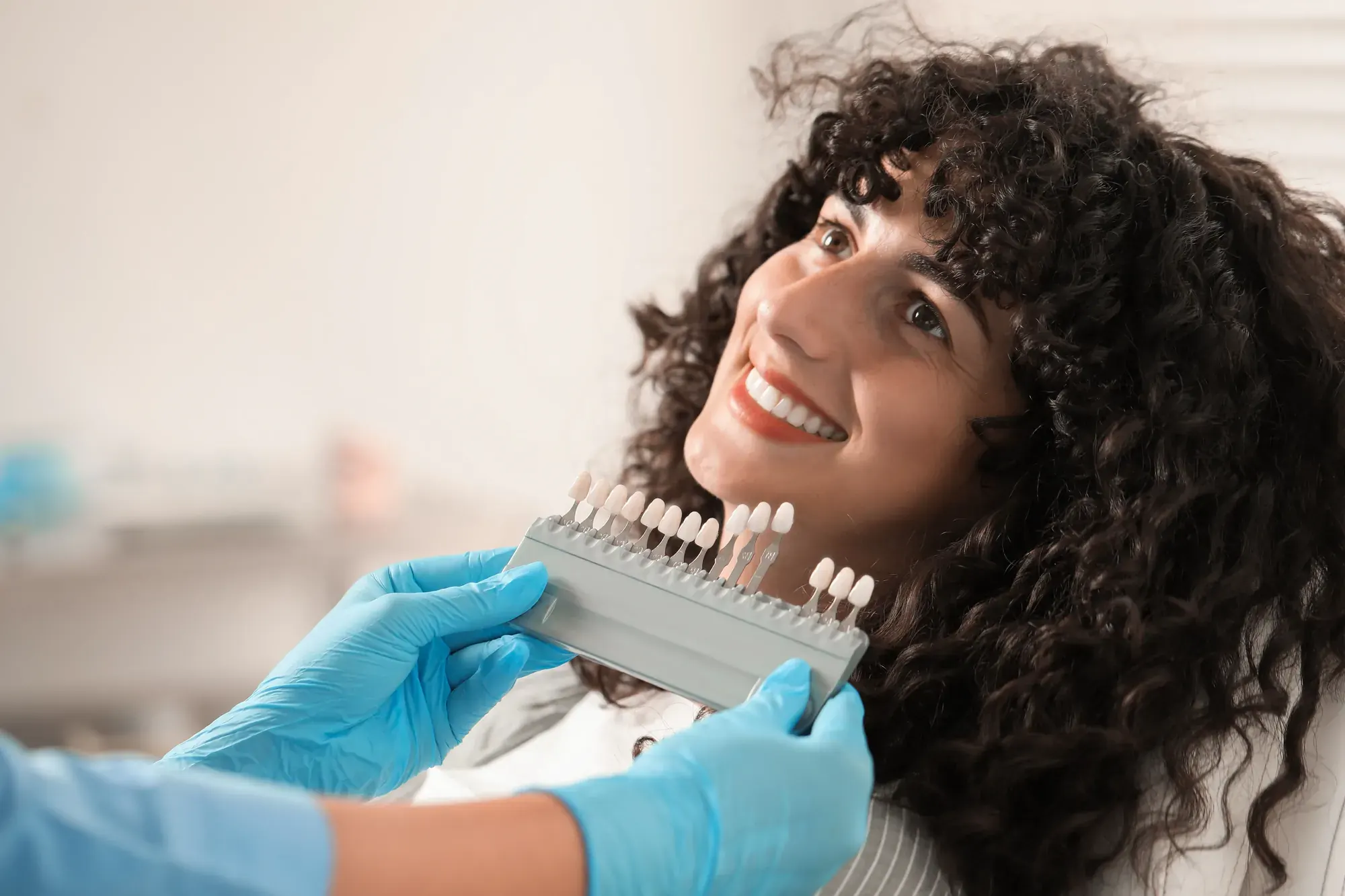 Crowns & BridgesPorcelain crowns and bridges that bring a cracked, worn or missing tooth back to full strength and blend in with the rest of your smile.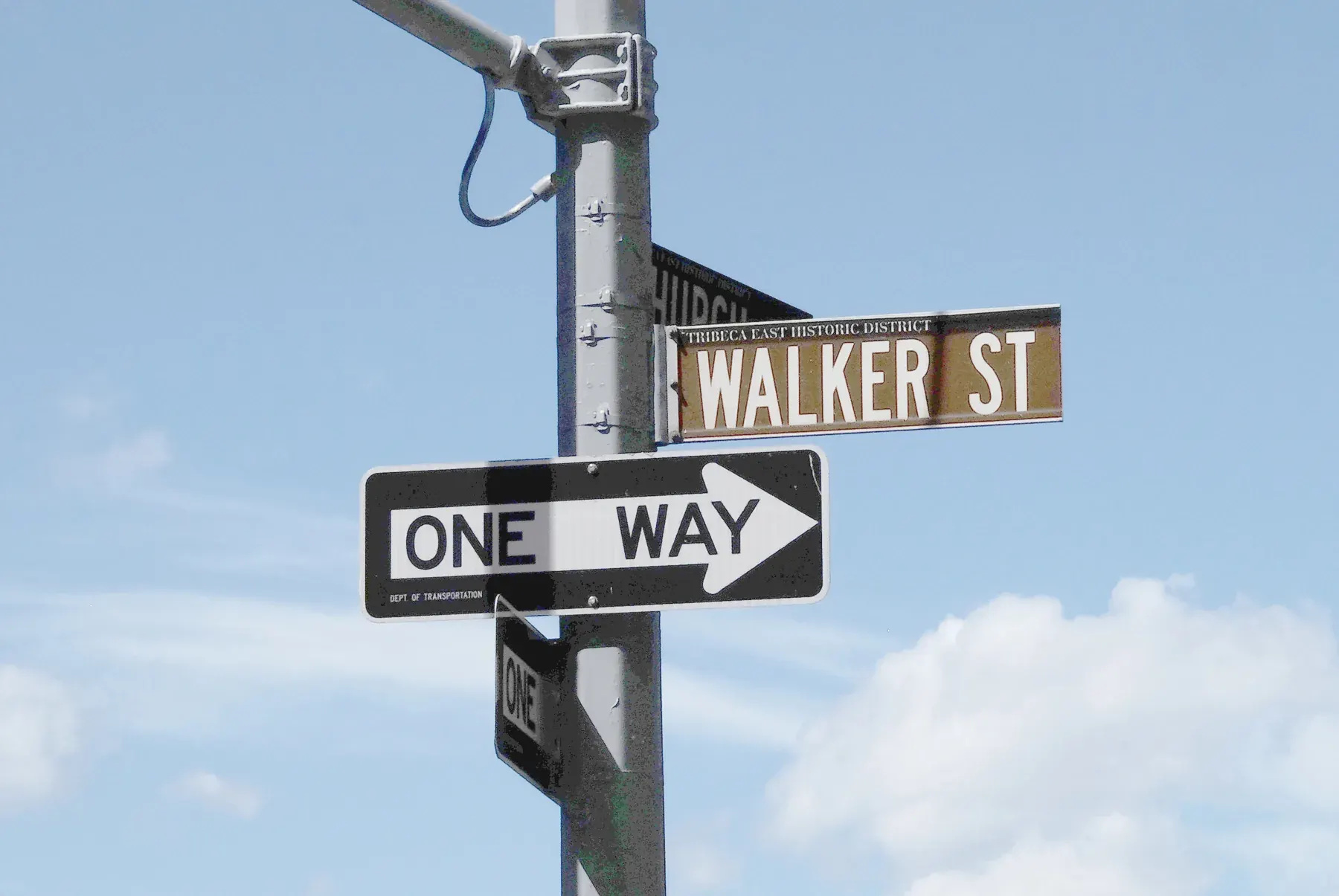
Come say bonjour.
35A Walker Street, in the heart of Tribeca, one block south of Canal Street.
Subway: Canal St (A, C, E, N, Q, R, W, J, Z and 6) and Franklin St (1), each a few minutes on foot. Just south of SoHo, and a short walk from Hudson Square, Chinatown and City Hall.
| Mon, Tue, Thu | 8 am – 6 pm |
|---|---|
| Wednesday | 9 am – 6 pm |
| Friday | 9 am – 2 pm |
| Sat – Sun | Closed |