What a Comprehensive Exam Covers
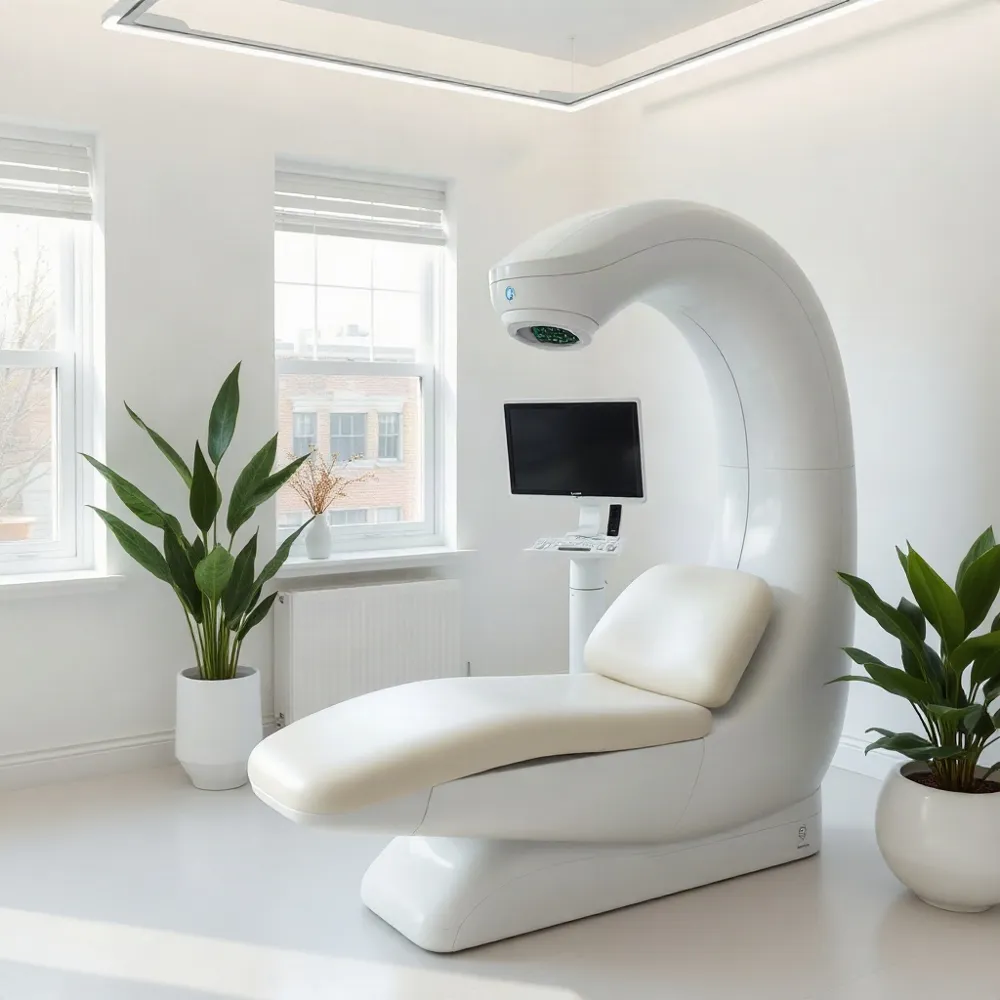
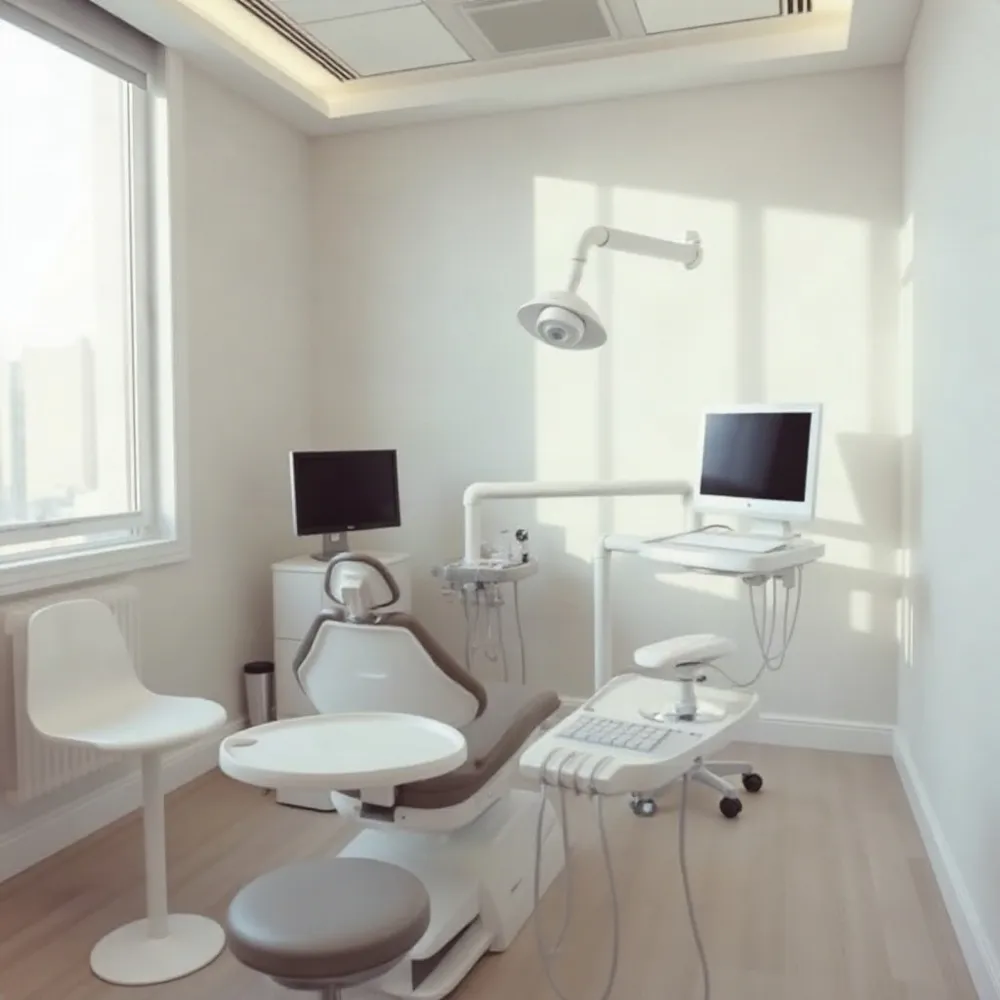
A comprehensive dental exam is a broad review of your oral health. It may include your medical and dental history, teeth and gums, bite and jaw, soft tissues, and X-rays when they can help answer a clinical question.
At Empower Your Smile’s Walker Street office in Tribeca, Dr. Patricia Moezinia considers your health history and concerns as part of the assessment. She may check existing dental work and look for changes in your mouth, including unusual sores or lumps.
The details depend on your needs. X-rays are not automatic at every visit; the dentist recommends them when images may support diagnosis or care, and may review suitable images from earlier visits instead. The American Dental Association’s guidance on dental X-rays emphasizes individual assessment.
A cleaning removes plaque, the soft film on teeth, and tartar, which is hardened plaque. It may happen during the same appointment as the exam or be scheduled separately. Learn about exams and cleanings.
What Happens During a Comprehensive Exam
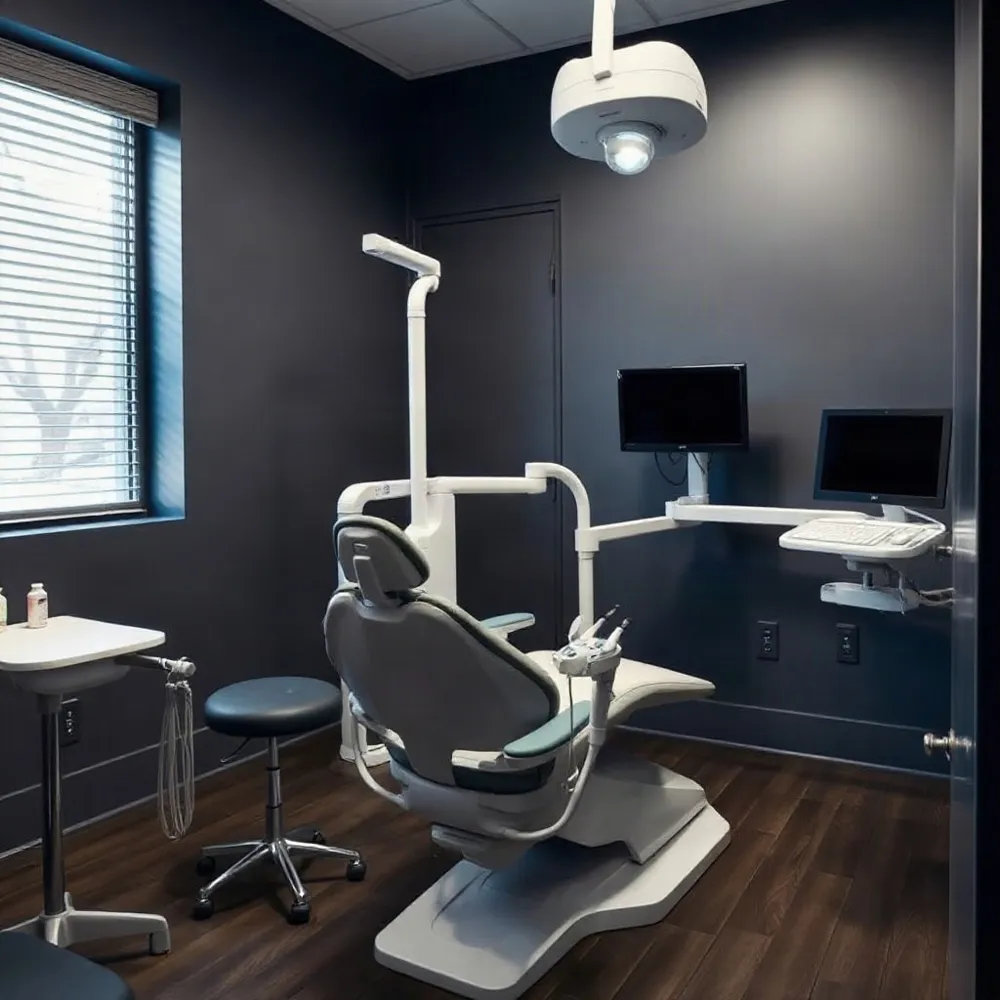 A comprehensive exam starts with a conversation about your health and dental history, medications, past dental work, and any changes since your last visit. Tell the dental team about concerns such as sensitivity, bleeding gums, or jaw discomfort so the exam can address what matters to you.
At the Walker Street office in Tribeca, Dr. Patricia Moezinia examines the teeth for decay, cracks, wear, and changes to fillings or crowns. She also checks gum health and may assess how your teeth meet and how your jaw moves.
The dentist also looks at soft tissues, including the lips, tongue, and cheeks, for unusual changes. X-rays may be recommended if they can help assess areas that are not visible during the examination; the American Dental Association’s guidance on dental X-rays says imaging decisions should reflect the patient’s needs and clinical findings.
Findings help guide next steps, which may include prevention, monitoring, or treatment. Your exams and cleanings support ongoing assessment, while gum disease treatment may be discussed if the exam shows a concern with gum health.
Dr. Moezinia can plan care with Dr. Nicholas Toscano, a board-certified periodontist, when gum health is part of the picture. This coordination helps the team consider the teeth and the tissues that support them together.
What does a comprehensive dental exam include?
It includes a review of your health history and concerns, an examination of your teeth and gums, and may include checks of your bite, jaw, soft tissues, and existing dental work. X-rays may be recommended when they can help assess areas that are not visible during the examination. The steps depend on your needs.
How Exams and Cleanings Differ
An exam checks your oral health; a cleaning removes buildup from your teeth. They are often scheduled during the same visit, but they are separate services, and whether both fit into one appointment depends on your needs and appointment plan.
During an exam, the dentist assesses your teeth, gums, and other areas of your mouth. A cleaning focuses on plaque, a sticky bacterial film, and tartar, which is plaque that has hardened and cannot be removed by brushing and flossing alone. Professional scaling, the removal of plaque and tartar from tooth surfaces, removes this buildup, as MedlinePlus explains.
At Empower Your Smile in Tribeca, Dr. Patricia Moezinia can explain what the exam finds and whether a routine cleaning is suitable. You can review the practice’s exams and cleanings when planning a visit.
If gum disease, an infection of the tissues that support your teeth, is present, routine cleaning may not reach the affected areas. The dentist may recommend scaling and root planing, a deeper cleaning beneath the gums. Dr. Moezinia can discuss the findings and explain which care fits your needs.
When Dental X-Rays May Help
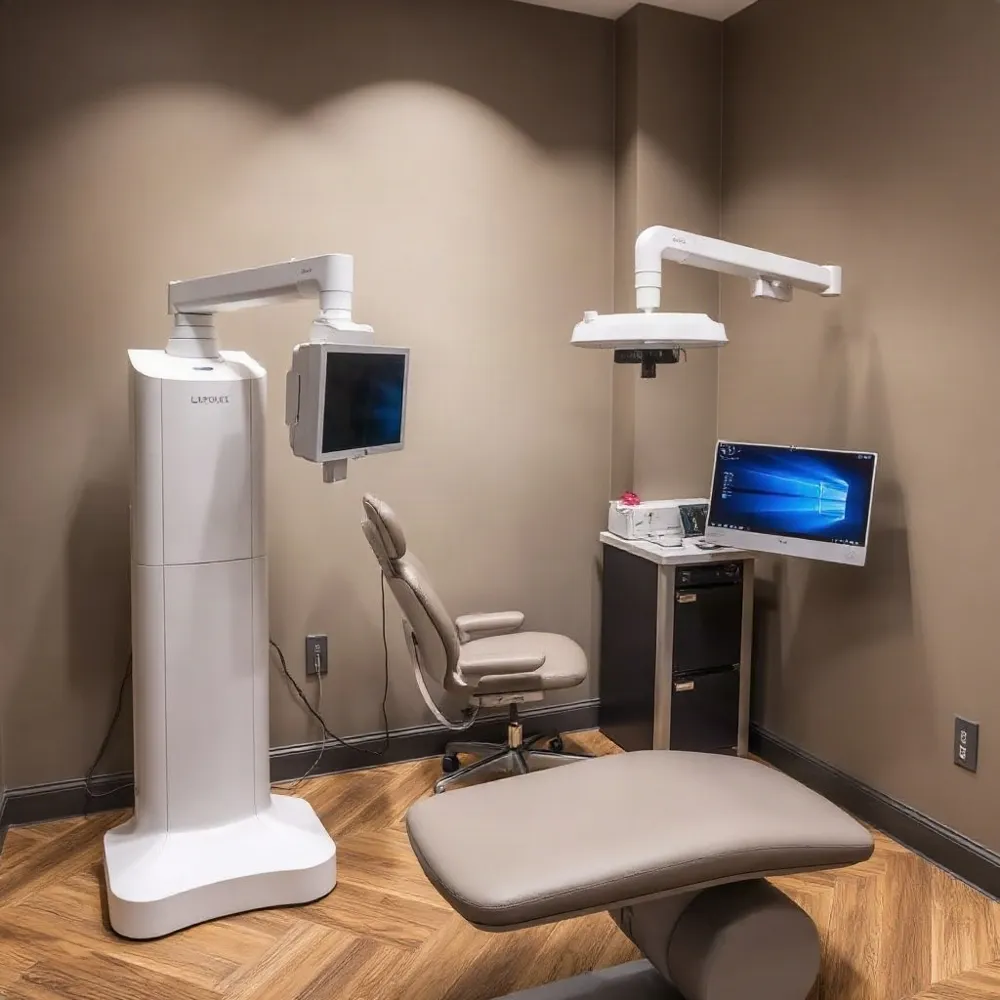 Dental X-rays can show areas a visual exam may not reveal, such as cavities between teeth, changes in the bone that supports teeth, or problems around a tooth’s root. Images add useful information, but they do not replace an examination or the dentist’s judgment.
Different images answer different questions. Bitewing images show spaces between teeth, periapical images show one tooth from crown to root tip, and panoramic images give a broad view of the teeth and jaws. A dentist recommends the type that fits the clinical need, rather than taking every type at every visit.
There is no fixed schedule for dental X-rays. Dr. Patricia Moezinia considers your oral health, age, disease risk, symptoms, dental history, and examination findings, and makes a good-faith effort to use suitable earlier images instead of repeating them without a clear reason.
At Empower Your Smile in Tribeca, Dr. Patricia Moezinia reviews imaging as one part of an individualized exam. You can ask what a recommended image is expected to show and whether earlier X-rays are useful for comparison.
How often do you need dental X-rays?
There is no one interval that fits everyone. Your dentist weighs your health, history, symptoms, risk of disease, and exam findings before deciding whether images may help. Ask why an image is recommended and whether suitable earlier X-rays are available.
Are dental X-rays safe?
Dental X-rays use very low radiation. Modern equipment and protective measures, such as lead aprons, keep exposure minimal. Your dentist follows guidelines from the American Dental Association to ensure safety.
What do dental X-rays show?
X-rays can reveal cavities between teeth, bone loss, infections, cysts, tumors, and the position of teeth. They help your dentist see problems that are not visible during a regular exam.
Do I need X-rays at every visit?
No. Your dentist decides based on your oral health, risk factors, and how long it has been since your last X-rays. You can ask about the reason for any recommended X-ray.
Can I refuse dental X-rays?
Yes, but your dentist may need X-rays to properly diagnose and treat certain conditions. Discuss any concerns with your dentist.
For an exam or cleaning, see exams and cleanings. If you have a cavity, tooth-colored fillings may be an option. To discuss your needs, book a free consultation at Empower Your Smile in Tribeca or call (212) 274-8338.
Digital X-Rays and Radiation Safety
Digital X-rays use a type of energy called ionizing radiation. The dose is very low, and they are considered safe for most people when your dentist recommends them for a specific reason. Digital receptors, which are electronic sensors that capture the image, reduce exposure even further compared with older film X-rays.
How safe are digital X-rays?
The American Dental Association’s X-ray guidance recommends weighing the expected diagnostic benefit against exposure. It also describes steps such as limiting the beam to the area being examined and positioning the patient carefully. The aim is to keep exposure as low as reasonably achievable.
Research on possible health effects has limits, and reported associations do not prove that dental X-rays cause disease. A review of dental diagnostic X-rays notes that evidence across studies is mixed, supporting a careful, clinically guided approach. Your dentist uses X-rays to check for problems like decay, which may lead to treatments such as tooth-colored fillings.
What should I tell my dentist before an X-ray?
Tell the dental team before imaging if you are pregnant or may be pregnant. Ask what the image is intended to show and whether it is needed now. Dr. Patricia Moezinia can talk through the reason for a recommendation and address your concerns so you can make an informed decision together.
How can Dr. Moezinia help?
At Empower Your Smile’s Walker Street office in Tribeca, Dr. Patricia Moezinia can discuss why an image may be recommended as part of exams and cleanings. Images support the examination; they do not replace it. Dr. Moezinia can also review whether existing images may answer the clinical question.
Frequently asked questions
-
Are digital X-rays safe during pregnancy?
Yes, but you should always tell your dentist if you are or may be pregnant. They can take extra precautions or postpone the X-ray if it is not urgent. -
How often should I get dental X-rays?
It depends on your oral health. Your dentist will recommend X-rays only when needed to diagnose a problem or monitor your condition. -
Do digital X-rays use less radiation than traditional X-rays?
Yes. Digital receptors require less radiation than conventional film, making them a lower-exposure option. -
What can dental X-rays detect?
X-rays can show cavities, infections, bone loss, and issues below the gum line that are not visible during a regular exam. -
Can I refuse X-rays?
Yes, but your dentist may not be able to fully diagnose or treat certain conditions without them. Discuss your concerns with Dr. Moezinia.
Book a free consultation at Empower Your Smile in Tribeca or call (212) 274-8338.
How Often to Schedule Checkups
 About every six months is a common starting point for adults with healthy teeth and gums, but it is not a rule for everyone. Your dentist may recommend a different schedule based on your oral health, medical history, and risk of cavities or gum disease.
Regular exams and cleanings can help identify problems that may not cause pain or other noticeable symptoms at first. Guidance on checkup frequency emphasizes tailoring visits to a person’s needs rather than assuming one interval suits all adults.
Gum disease, frequent cavities, dry mouth, some health conditions, and medications that reduce saliva may call for closer follow-up. Dr. Patricia Moezinia can discuss how your history and exam findings affect the timing of future visits at our Walker Street office in Tribeca.
Do not wait for a routine appointment if you develop tooth pain, swollen or bleeding gums, or other mouth discomfort. Contact a dentist promptly so the concern can be assessed.
How often should most adults have a dental checkup and cleaning?
About every six months is a useful starting point for many adults, but your dentist may suggest a different schedule based on your oral health, medical history, and risk of cavities or gum disease.
What happens during a routine checkup?
Your dentist will examine your teeth and gums, check for signs of decay or disease, and perform a professional cleaning. Dr. Patricia Moezinia will also review your medical history and discuss any concerns.
Why might someone need more frequent visits?
Gum disease, frequent cavities, dry mouth, certain health conditions, and medications that reduce saliva can increase your risk. More frequent visits allow your dentist to monitor these issues closely.
Can I schedule a checkup if I have dental anxiety?
Yes. Our team is experienced in helping patients feel comfortable. Dr. Moezinia can discuss sedation options if needed.
How do I book an appointment?
You can book a free consultation at Empower Your Smile in Tribeca or call (212) 274-8338.
To discuss a schedule for your needs, book a free consultation at Empower Your Smile in Tribeca or call (212) 274-8338.
Questions to Ask Before You Leave
Before you go, make sure you understand what the exam showed and what should happen next. Dr. Patricia Moezinia can explain findings and help shape a follow-up plan around your oral health.
Do I need X-rays at every checkup?
No. X-rays are recommended when they can help with diagnosis or care, based on your examination, history, and risk. The American Dental Association’s guidance on dental X-rays says there is no single schedule for every patient.
Can I ask to use my previous X-rays?
Yes. Ask whether your previous images are recent and clear enough to support your current care. Sharing suitable images may help avoid taking new ones without a clinical need.
What did you find during my exam?
Ask the dentist to explain any findings in plain language and say whether they need treatment, monitoring, or prevention. Dr. Moezinia can also discuss how recommended care fits with your concerns and goals.
When should I schedule my next visit?
Ask for a schedule based on your oral health, history, and risk of future problems. The team at the Tribeca office can also help you plan exams and cleanings around that recommendation.
Book a free consultation at Empower Your Smile in Tribeca, or call (212) 274-8338.
Plan Your Next Visit
A comprehensive exam brings together your health history, a clinical review of your teeth, gums, and other oral tissues, and imaging when it can help answer a specific question. Your findings and follow-up schedule should reflect your health, dental history, and current needs, rather than a fixed plan for everyone.
At Empower Your Smile’s Walker Street office in Tribeca, Dr. Patricia Moezinia can review the findings with you and explain possible next steps. Ask questions until you feel clear about the plan and when to return.
Book a free consultation at Empower Your Smile in Tribeca, or call (212) 274-8338.