
Why Planning Must Consider More Than the Implant
Planning for a dental implant means looking beyond the place where it will sit. The gums and jawbone must support it, while the replacement tooth should fit your bite and look natural beside nearby teeth.
An implant replaces the root of a missing tooth. A crown, bridge, or denture attaches to it to replace the visible tooth or teeth, so planning must consider both the foundation and the final restoration.
At Empower Your Smile, Dr. Patricia Moezinia, cosmetic dentist, and Dr. Nicholas Toscano, board-certified periodontist, plan implant cases together when appropriate. They can consider gum and bone health alongside the appearance and function of the restoration.
At the Walker Street office in Tribeca, an individualized evaluation helps determine what your mouth needs before treatment begins. Your plan depends on your health, oral tissues, and goals; results vary.
How Do Gum Health and Bone Support Affect Implants?
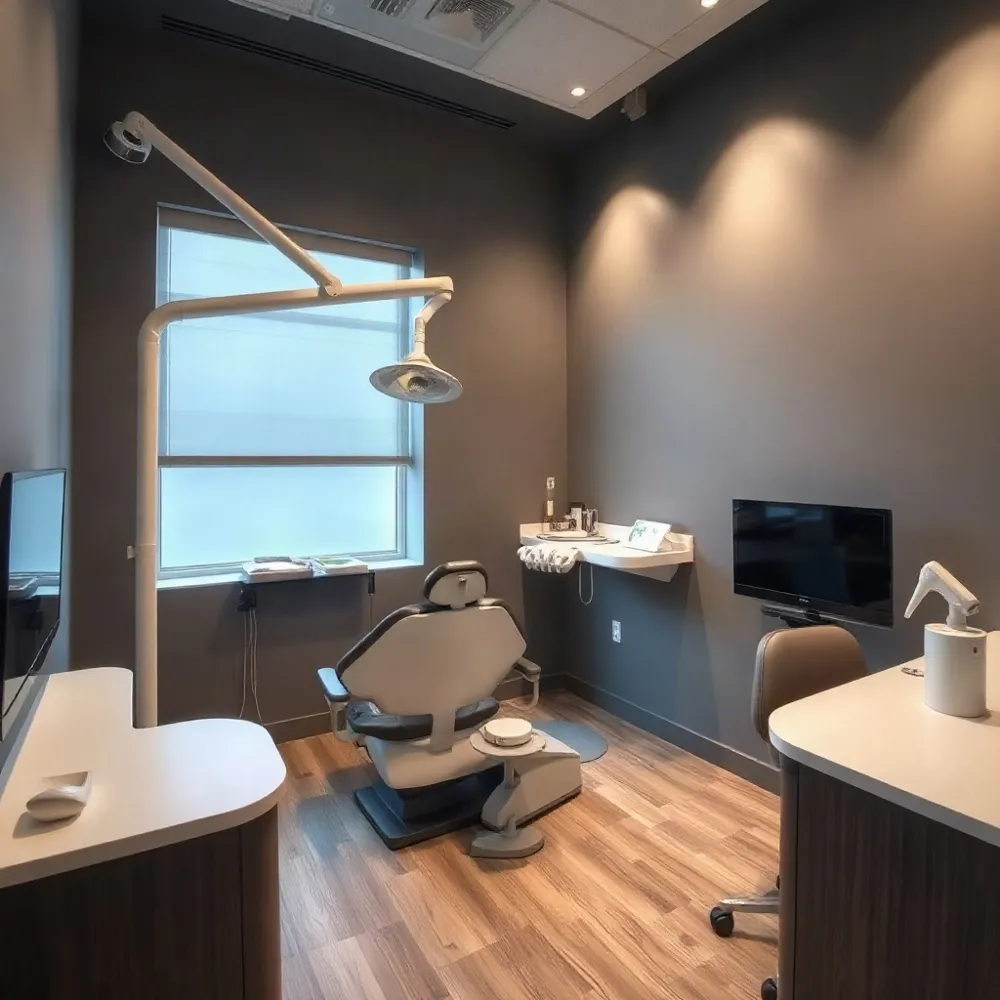 Healthy or treated gums and enough jawbone help create a stable base for a dental implant. Periodontitis is advanced gum disease that can damage the tissues and bone around teeth. Osseointegration, the process in which bone bonds with an implant, also depends on a suitable healing environment.
Active gum disease is usually treated and stabilized before implant placement because infection and inflammation can affect healing and the bone that supports the implant. A history of gum disease does not automatically rule out treatment, but readiness needs to be reassessed.
Depending on the patient’s condition, gum disease treatment may include professional cleaning or scaling and root planing, which removes plaque and tartar below the gumline. At Empower Your Smile in Tribeca, Dr. Nicholas Toscano, a board-certified periodontist, assesses gum and bone health as part of implant planning.
An examination and imaging help the dental team assess the gums, jawbone, and nearby structures. If there is not enough bone to support an implant, bone grafting may be considered; treatment and healing can affect the timeline. The European Federation of Periodontology’s explanation of dental implants describes assessment and imaging as part of planning.
Can you get dental implants if you have gum disease?
Often, yes, after active disease is treated and gum health is reassessed. Dr. Patricia Moezinia and Dr. Toscano plan implant cases together when appropriate, considering gum health, bone support, and the planned restoration.
Treatment can improve readiness, but cannot guarantee implant success, and follow-up needs vary. The FDA’s guidance on dental implants advises discussing candidacy and periodontal concerns with a dental provider.
What Makes an Implant Look Natural?
 A natural-looking result depends on more than the visible tooth. With dental implants, the crown, gumline, and nearby teeth all shape the appearance; the implant post sits in the jaw and is not the finished tooth.
Planning the implant in relation to the intended crown can support both appearance and function. Gum contour and symmetry matter, especially when the replacement shows when you smile. A clinical review describes planning around the final crown, gum tissue, and available bone as part of single-tooth implant care (clinical guide).
The custom crown can be designed to blend with neighboring teeth in shape, color, translucency, and proportion, though an exact match cannot be promised. Cosmetic planning does not mean the implant is a separate cosmetic device. It means appearance is considered alongside the surgical foundation and the design of the replacement tooth.
At Empower Your Smile in Tribeca, Dr. Patricia Moezinia and Dr. Nicholas Toscano, a board-certified periodontist, plan implant cases together when appropriate, considering the visible restoration as well as gum and bone support.
Are dental implants considered cosmetic treatment?
Implants can improve the appearance of a missing tooth, but they are generally restorative because they replace a tooth and support chewing. Coverage depends on the diagnosis and plan rules, and may differ for the implant, crown, or related care. Check your PPO benefits; insurance and financing options are available. Results vary.
For an individual assessment, book a free consultation at Empower Your Smile in Tribeca or call (212) 274-8338.
Who May Need Extra Planning Before Implants?
A missing tooth alone does not determine whether an implant is suitable. The team also considers gum health, jawbone support, overall health, medical history, and what you want the finished tooth to look and feel like. Some factors call for extra assessment or preparation, but do not automatically rule out treatment.
Active gum disease, limited bone, smoking, past radiation therapy to the jaw, or health conditions that may affect healing are worth discussing. Diabetes and osteoporosis should be considered in the context of your health and care plan, rather than treated as automatic reasons to exclude implants. The FDA’s guidance on dental implants recommends discussing candidacy and health-related risks with a dental provider.
Bone loss or gum recession can change where or how an implant is planned. Depending on the exam, bone grafting may be considered to build support, or gum grafting may be considered for receded tissue. Dr. Nicholas Toscano, board-certified periodontist, and Dr. Patricia Moezinia review gum and bone conditions alongside restorative goals when appropriate at the Tribeca office.
Can you get dental implants if you have bone loss or receding gums?
Often, yes. An examination helps assess gum health and whether there is enough bone for the planned position; grafting or gum treatment may be part of the plan. Results and timing vary, so a consultation is needed to discuss options.
What can make someone a poor candidate for dental implants?
Active gum disease, limited bone, smoking, past jaw radiation, or health conditions that affect healing may make implants less suitable or require extra planning. They are not automatic exclusions, and another tooth-replacement option may sometimes be a better fit. Learn about dental implants and discuss your health history with the clinicians.
Book a free consultation at Empower Your Smile in Tribeca or call (212) 274-8338.
What Happens During Implant Treatment?
Dental implant treatment usually involves an examination and plan, any needed preparation, implant placement, healing, and fitting the replacement tooth. The order and timing depend on your oral health, bone support, and treatment needs.
What are the steps in dental implant treatment?
The process begins with an examination and imaging. X-rays, and sometimes three-dimensional cone-beam CT (CBCT) images, can help assess the jawbone and nearby structures. The type of imaging depends on what your dentist needs to evaluate.
If a damaged tooth needs removal or the site needs preparation, that care may happen before or as part of implant treatment. Some patients may need bone grafting to build support. Mayo Clinic’s overview of implant surgery explains that grafting and other stages depend on the condition of the jaw.
During placement, the implant is positioned in the jawbone. It then needs time to bond with the bone before it can support the final tooth. After healing, an abutment, the connector between the implant and replacement tooth, is fitted, followed by a custom crown or other restoration.
A temporary tooth may be possible for some patients, but it is not suitable for everyone. Timing varies with bone condition, oral health, and the treatment plan, so follow your dentist’s instructions for healing and aftercare.
At Empower Your Smile in Tribeca, Dr. Nicholas Toscano, a board-certified periodontist, and Dr. Patricia Moezinia plan implant cases together when appropriate, considering both the supporting tissues and the final restoration. Their plan may include dental implants and any preparation needed for your situation.
What Can Affect Implant Cost?
The cost of implant treatment depends on how many teeth need replacement and what type of restoration is planned, such as a crown for one tooth or a bridge for several. The condition of the gums and jawbone, any needed preparation, and the stages of care also shape the estimate.
At Empower Your Smile in Tribeca, Dr. Nicholas Toscano, board-certified periodontist, and Dr. Patricia Moezinia consider the supporting tissues and the planned restoration together. If gum treatment or bone grafting is needed, it may add steps to the plan. Imaging, implant surgery, the final restoration, and follow-up care are also part of the discussion.
Dr. Toscano evaluates the bone and gum health to determine if implant surgery is appropriate. Dr. Moezinia then plans the restoration that will fit best with your smile. They coordinate the treatment timeline so each stage is completed in the right order.
What affects the cost of a dental implant?
An examination is needed to provide an estimate for your situation. The team can review whether you need one or more implants, what restoration may fit, and whether additional care is recommended. Dental implants may involve different treatment stages, so ask for a clear outline of what is included.
Frequently asked questions about implant cost
Does insurance cover dental implants?
PPO coverage varies by plan. Confirm with your insurer what portion of implant treatment is covered.
What is included in the cost of an implant?
The estimate typically covers the consultation, imaging, surgery, the implant itself, and the final crown or bridge. Ask your provider for a detailed breakdown.
How long does implant treatment take?
The process can take several months, including healing time between stages. Your dentist will give you a timeline based on your specific case.
Are there payment plans available?
Yes, financing options are available. Visit our insurance and financing page for details.
Do I need a bone graft?
Not everyone needs a bone graft. Dr. Toscano will assess your jawbone during the exam and recommend grafting only if necessary.
Insurance and financing information is available to help you review payment options. To discuss an individualized plan, Book a free consultation at Empower Your Smile in Tribeca or call (212) 274-8338.
How Can Implant Problems Be Identified?
Redness, tenderness, bleeding, or swelling around an implant can signal a problem, though these signs do not confirm a diagnosis. Contact your dental provider if symptoms appear or worsen, or if the implant feels loose.
Dr. Nicholas Toscano, board-certified periodontist at Empower Your Smile in Tribeca, can assess the gums and bone around an implant. An examination, and sometimes imaging, helps determine whether inflammation or a change in bone support is present.
What is peri-implantitis, and how is it treated?
Peri-implantitis is inflammation around an implant that also involves loss of supporting bone. Earlier inflammation limited to soft tissue is called peri-implant mucositis. The American Academy of Periodontology’s information on peri-implant diseases explains these conditions; an examination is needed to diagnose them.
Treatment depends on the extent of inflammation and bone changes. It may include professional cleaning, steps to control bacteria, or surgery, but no one approach is right for every case. Dr. Toscano can discuss the findings and options.
What can cause a dental implant to fail?
An implant may fail if it does not bond with the jawbone or later loses support from the bone or surrounding gums. Infection, a history of gum disease, smoking, diabetes, difficulty cleaning the area, excess pressure, or restoration problems can affect risk, but none guarantees failure. Regular check-ups and home care help monitor an implant, but cannot guarantee it will last.
What side effects or complications can occur after dental implant treatment?
Temporary soreness, swelling, bruising, or light bleeding may occur after surgery. Less common complications include infection, delayed healing, or failure to bond with bone; nearby teeth, nerves, or sinus areas may also be affected depending on implant location. Individual risks vary, as described in Mayo Clinic’s overview of dental implant surgery.
Frequently Asked Questions
- How can I tell if my implant is failing?
Signs like looseness, pain, or changes in the gums around the implant may indicate a problem. See your dentist for an exam. - What should I do if I notice bleeding around my implant?
Bleeding can be a sign of inflammation. Contact your dentist and continue gentle cleaning as instructed. - Can a failed implant be replaced?
In many cases, yes. Your dentist will evaluate the bone and gums to determine the best approach. - How often should I have my implant checked?
Regular dental check-ups, typically every six months, allow your dentist to monitor the implant and surrounding tissues.
Follow your dentist’s aftercare instructions and contact the office about worsening symptoms, continued bleeding, or recovery concerns. At Empower Your Smile, Dr. Patricia Moezinia and Dr. Toscano plan restorative and periodontal care together when needed. For an assessment, book a free consultation at Empower Your Smile in Tribeca or call (212) 274-8338.
How Does Ongoing Care Protect the Result?
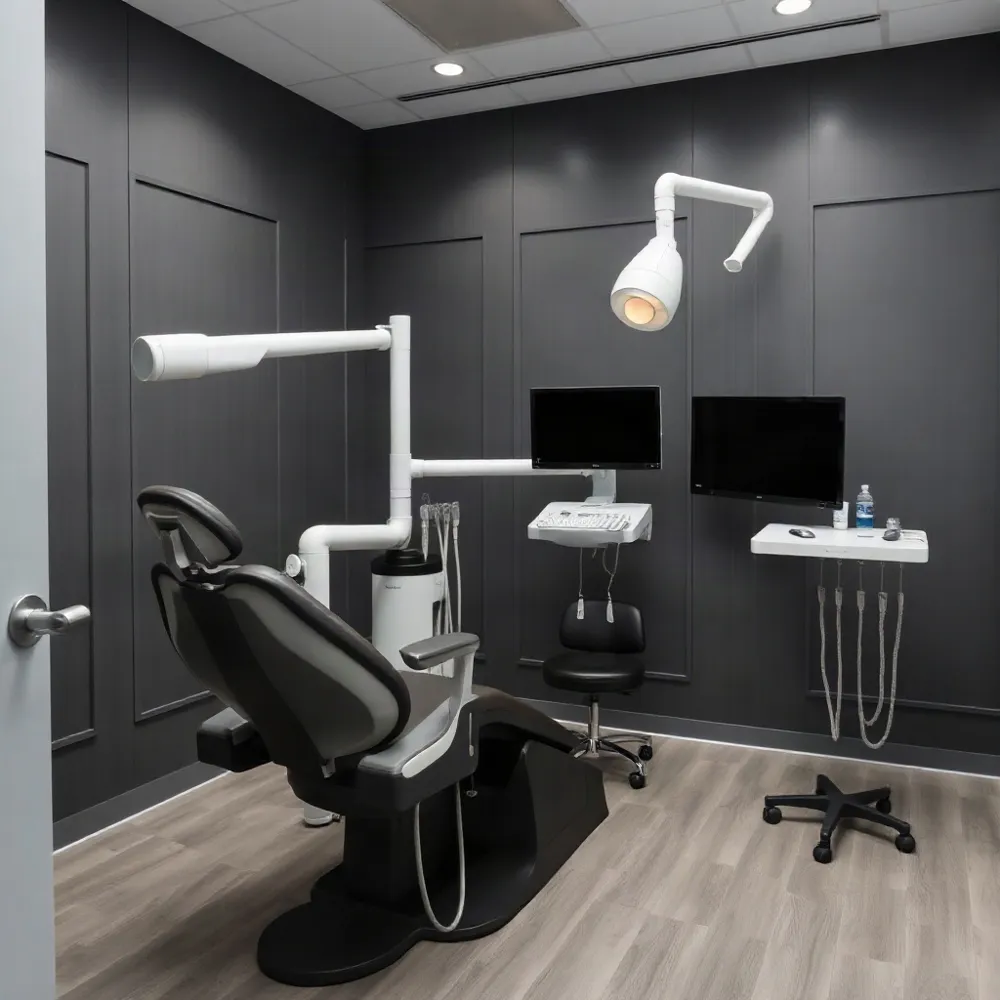 A dental implant is an artificial tooth root placed in the jawbone. It cannot decay, but the gums and bone around it can become inflamed or lose support.
Regular home care and dental visits help the team monitor these tissues, though they cannot guarantee how long an implant will last. Good oral hygiene and regular check-ups help manage the risk of disease around implants.
Brush your teeth and implant restoration, clean between your teeth, and follow your dentist’s instructions. Dr. Nicholas Toscano, a board-certified periodontist, notes that the right maintenance schedule depends on your gum history and needs, so your team can tailor follow-up visits and exams and cleanings.
At Empower Your Smile in Tribeca, Dr. Nicholas Toscano, a board-certified periodontist, and Dr. Patricia Moezinia plan implant care together when appropriate, connecting gum health with the fit and appearance of the restoration.
Plan the Foundation and the Finished Smile
Planning an implant means considering the gums and jawbone, the implant’s position, the bite, and the design of the replacement tooth together. Each part can affect how the restoration works and fits into your smile, as described in this clinical guide to single-tooth implant planning.
At Empower Your Smile in Tribeca, Dr. Nicholas Toscano, board-certified periodontist, and Dr. Patricia Moezinia plan implant care with both supporting tissues and the final restoration in mind. Talk with your dental team about your health, goals, treatment options, timing, and any preparation that may be needed. Recommendations and results vary by individual.
Book a free consultation at Empower Your Smile in Tribeca, or call (212) 274-8338.