
Gum Disease Treatment in Tribeca
Calm, step-by-step care that helps bring gum disease under control and protects the teeth you have, led by board-certified periodontist Dr. Nicholas Toscano.
Gum disease (periodontitis) is a bacterial infection of the gums and the bone that holds your teeth. It starts quietly. Plaque collects below the gumline, the gums pull away and pockets form around the teeth. Left alone, it can wear away the bone that holds your teeth in place.
Most patients start with a deep cleaning, called scaling and root planing, sometimes paired with Arestin. Periodontal maintenance keeps things stable. Osseous surgery is there for deeper pockets that need more help.
Medically reviewed by Dr. Nicholas Toscano, DDS, MS, board-certified periodontist · Updated October 2026
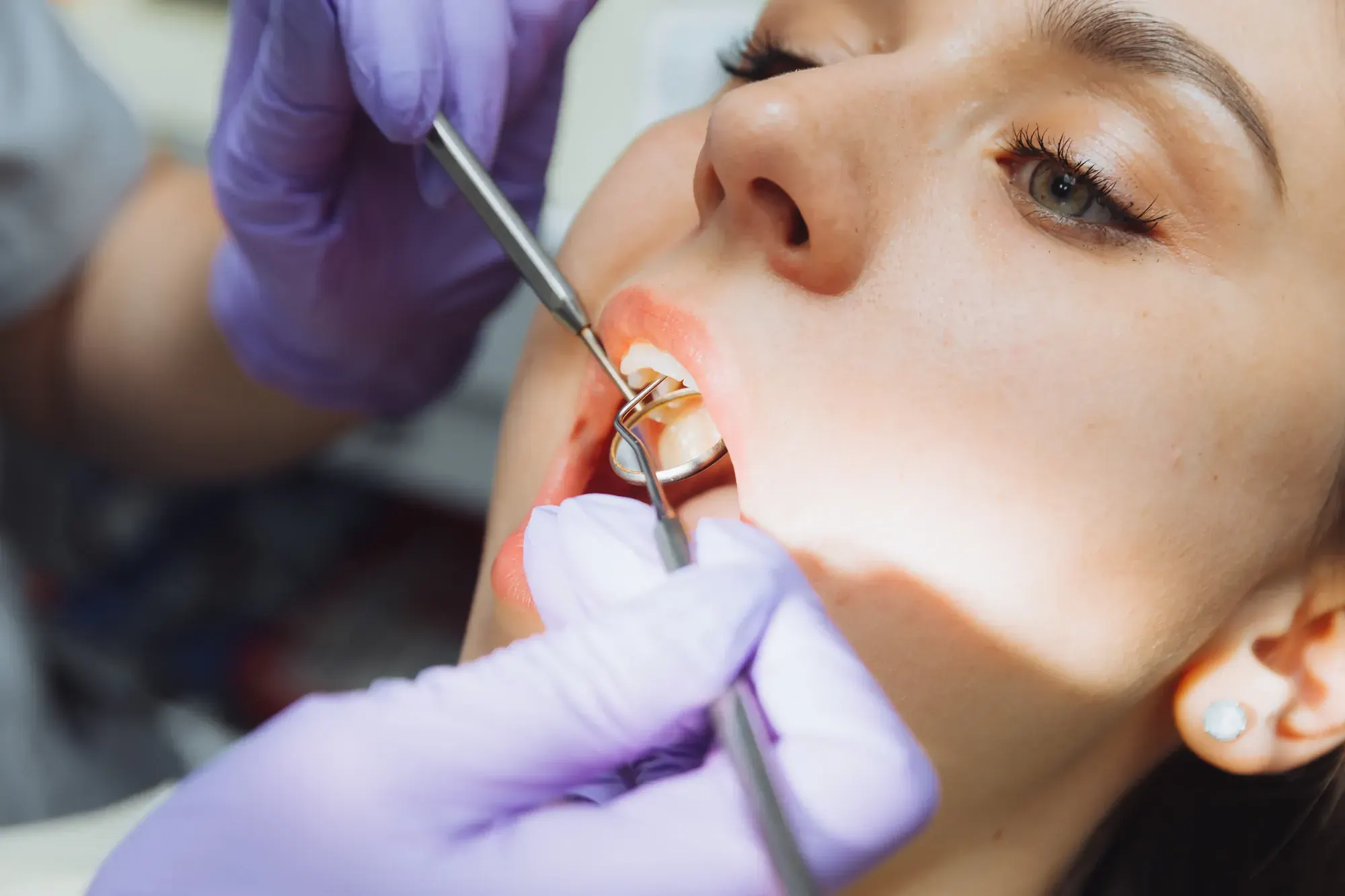
Is this for you?
- Your gums bleed when you brush or floss
- Your gums look red, puffy or tender
- Bad breath or a bad taste that won’t go away
- Teeth that feel loose or seem to be shifting
- You’ve been told you have deep pockets or need a deep cleaning
- You’ve had gum disease before and want to keep it in check
What to expect
- 01
Periodontal exam
We measure the pockets around each tooth, take digital X-rays to check the bone and talk through what we find in plain terms.
- 02
Scaling and root planing
With the area numbed, we clear plaque and tartar from below the gumline and smooth the roots so the gums can heal against them. This is often done in one or two visits.
- 03
Arestin where it helps
For pockets that need extra support, a locally applied antibiotic called Arestin can be placed directly into the pocket after cleaning.
- 04
Osseous surgery, if needed
When deep pockets don’t respond to cleaning, Dr. Toscano can gently lift the gum, clean the roots, reshape the damaged bone and close the tissue so the area is easier to keep clean.
- 05
Periodontal maintenance
Gum disease is managed over time. Maintenance visits, often every three to four months, check your pockets and keep bacteria under control.
Why Empower Your Smile
A board-certified periodontist
Dr. Toscano is a Diplomate of the American Board of Periodontology, with a periodontal certificate from the Naval Postgraduate Dental School and an MS from George Washington University.
Gums and smile, planned together
Dr. Toscano works alongside Dr. Moezinia, so your gum treatment and any cosmetic or restorative plans are mapped out as one.
Comfort and coverage
Sedation options are available if you feel anxious. We’re in network with Delta Dental, Cigna, Aetna, Guardian, MetLife and Anthem PPOs, and accept CareCredit.
What happens if gum disease is left untreated
Gum disease rarely hurts in the early stages, so it’s easy to put off. Over time the pockets deepen, the gums recede and the bone around the teeth wears away.
That can lead to loose teeth and, eventually, tooth loss. It also makes cosmetic work like veneers, crowns and implants harder to plan. Treating it early keeps your options open.
Questions, answered
Something else on your mind? Call us at (212) 274-8338.
What is the difference between a regular cleaning and a deep cleaning?
A regular cleaning removes plaque and tartar above the gumline on healthy gums. A deep cleaning, or scaling and root planing, reaches below the gumline into the pockets and smooths the root surfaces. It’s used when gum disease is already present.
Does scaling and root planing hurt?
The area is numbed first, so most patients feel only light pressure. Some tenderness for a few days afterward is common. If you feel nervous, ask us about sedation options.
What is Arestin?
Arestin is an antibiotic in the form of tiny powder particles. It’s placed directly into a gum pocket after cleaning and releases slowly over time. It supports healing in specific areas and doesn’t replace the cleaning itself.
Can gum disease be reversed?
Gingivitis, the earliest stage, can usually be reversed with good cleanings and home care. Once periodontitis has caused bone loss, the goal is to stop it and keep it stable. With treatment and regular maintenance, many patients keep their teeth for the long term.
How often do I need periodontal maintenance?
Many patients come in every three to four months after treatment. Your schedule depends on how your gums respond. We’ll adjust it at each visit.
When is osseous surgery recommended?
Osseous surgery is considered when pockets stay deep after scaling and root planing, or when X-rays show bone loss that cleaning alone can’t reach. Dr. Toscano will explain why it’s recommended and what recovery looks like before you decide.
You may also consider
 Exams & CleaningsA full, unhurried look at your teeth and gums, with a gentle cleaning in the same visit.
 Gum GraftingGum grafting covers exposed roots, eases sensitivity and brings your gumline back into balance.
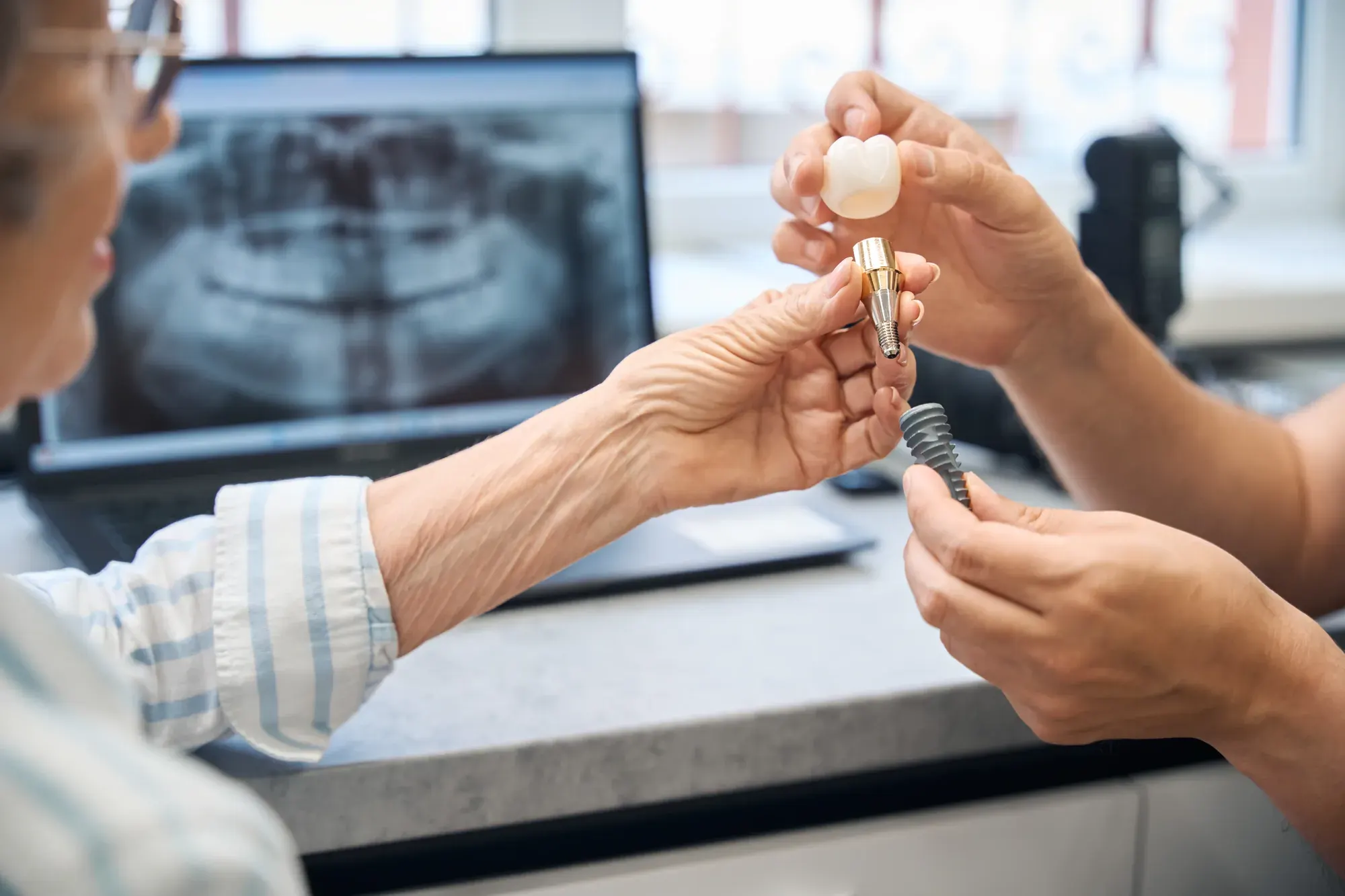 Dental ImplantsA missing tooth replaced with one that looks, feels and works like your own, planned with an eye for how it will sit in your smile.
Come say bonjour.
35A Walker Street, in the heart of Tribeca, one block south of Canal Street.
Subway: Canal St (A, C, E, N, Q, R, W, J, Z and 6) and Franklin St (1), each a few minutes on foot. Just south of SoHo, and a short walk from Hudson Square, Chinatown and City Hall.
| Mon, Tue, Thu | 8 am – 6 pm |
|---|---|
| Wednesday | 9 am – 6 pm |
| Friday | 9 am – 2 pm |
| Sat – Sun | Closed |