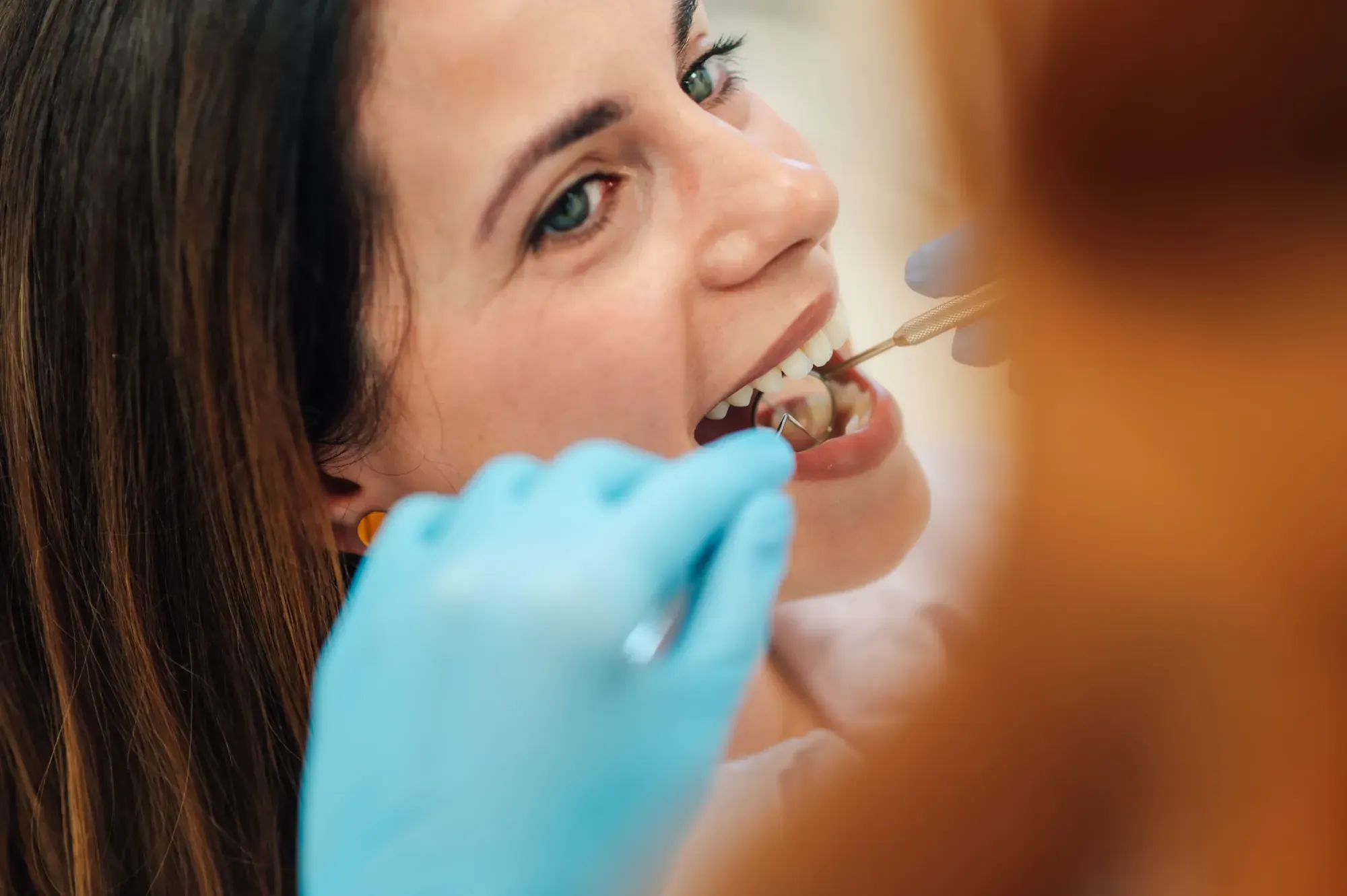
Tooth Extractions & Bone Preservation in Tribeca
When a tooth can’t be saved, we remove it gently and protect the bone underneath, so your options for replacing it stay open.
A tooth extraction removes a tooth that can’t be saved. Bone preservation means placing graft material in the empty socket so the jawbone keeps its shape for a future implant or bridge. We always look for a way to keep your natural tooth first. Sometimes removing it is the healthier choice: severe decay, a crack below the gum line, advanced gum disease, or a wisdom tooth that is impacted or crowding its neighbors. Dr. Patricia Moezinia and periodontist Dr. Nicholas Toscano explain why before anything is decided.
After a tooth comes out, the bone that held it begins to shrink. Over time that can make an implant harder to place and let nearby teeth drift. Socket preservation fills the empty space with bone graft material at the time of extraction. It helps keep the ridge full and gives you a better foundation if you choose an implant later.
Medically reviewed by Dr. Patricia Moezinia, DDS, cosmetic and general dentist · Updated October 2026
Is this for you?
- A dentist told me a tooth can’t be saved
- My wisdom tooth is impacted or keeps getting sore
- A tooth is loose from gum disease
- I cracked a tooth below the gum line
- I want to keep the option of an implant later
- I feel anxious about having a tooth removed
What to expect
- 01
Exam and a clear plan
We take imaging, review your health history and explain why the tooth needs to come out. We also talk about how you would like to replace it.
- 02
Numbing and comfort
The tooth and surrounding area are fully numbed. Sedation is available if you feel nervous. Most people feel pressure, not pain.
- 03
Gentle removal
The tooth is loosened and lifted out. A tooth with curved roots may be sectioned into smaller pieces to protect the bone around it.
- 04
Bone preservation graft
When you plan to replace the tooth, the socket is filled with graft material and covered to help the bone heal with good volume.
- 05
Healing and follow-up
You go home with clear aftercare instructions. We check your healing and, if you choose an implant, plan the next step with you.
Why Empower Your Smile
A periodontist on the team
Dr. Nicholas Toscano is a Diplomate of the American Board of Periodontology, with a periodontal certificate from the Naval Postgraduate Dental School and 13 years in the US Navy.
Planned with the next tooth in mind
Dr. Moezinia, who trained in implants at Columbia, plans each extraction with your future smile in mind, whether that is an implant, a bridge or something else.
Seen quickly when it’s urgent
If a tooth is causing pain or swelling, we see emergencies the same day whenever possible. We are in network with Delta Dental, Cigna, Aetna, Guardian, MetLife and Anthem PPO plans.
Why bone preservation matters
The jawbone stays healthy because teeth stimulate it when you chew. Once a tooth is gone, the bone in that spot starts to shrink, and much of that change happens in the first months after extraction.
A socket graft helps hold the shape of the ridge. That makes it more likely an implant can be placed later without a larger graft, and it helps the gum line look natural around the new tooth. If you are unsure whether you will want an implant, ask us. It is often easier to preserve bone now than to rebuild it later.
Questions, answered
Something else on your mind? Call us at (212) 274-8338.
Does a tooth extraction hurt?
The area is fully numbed, so you should feel pressure and no sharp pain. Soreness and some swelling for a few days afterward is normal. A cold compress, soft foods and the medication we recommend usually keep it manageable.
What is socket preservation?
It is a bone graft placed into the empty socket right after a tooth is removed. The graft acts as a scaffold while your own bone grows in. It helps keep the jaw full enough for an implant later.
How long after an extraction can I get an implant?
It depends on the tooth and the bone. In some cases an implant can go in at the same visit. More often, the site heals for a few months first, especially after a graft. We will give you a timeline at your consult.
What should I avoid after a tooth extraction?
For the first few days, avoid smoking, alcohol, drinking through a straw and vigorous rinsing. These can dislodge the blood clot and slow healing. Stick to soft, cool foods at first and call us if bleeding, pain or swelling gets worse instead of better.
Do you offer sedation for extractions?
Yes. If you feel anxious or the extraction is more involved, we can talk about sedation options such as nitrous oxide or oral sedation. We will review your health history to choose what is safe for you.
You may also consider
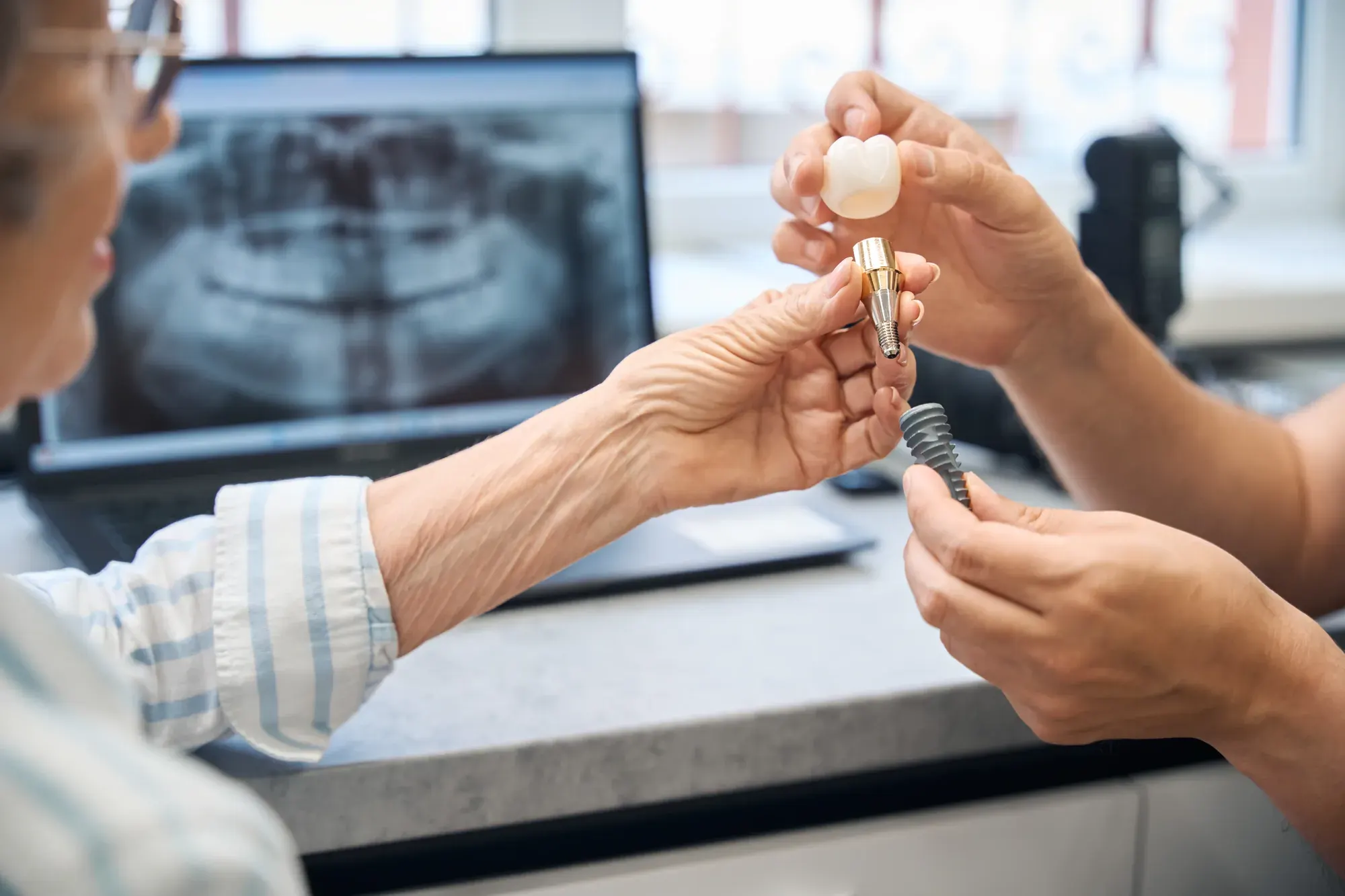 Dental ImplantsA missing tooth replaced with one that looks, feels and works like your own, planned with an eye for how it will sit in your smile.
 Bone Grafting & Sinus LiftIf you’ve been told you don’t have enough bone for an implant, bone grafting can rebuild that foundation.
 Gum Disease TreatmentCalm, step-by-step care that helps bring gum disease under control and protects the teeth you have, led by board-certified periodontist Dr. Nicholas Toscano.
 Root Canal TherapyRelief from a throbbing tooth, and a way to keep it, with a calm, unhurried approach from the first call.
Come say bonjour.
35A Walker Street, in the heart of Tribeca, one block south of Canal Street.
Subway: Canal St (A, C, E, N, Q, R, W, J, Z and 6) and Franklin St (1), each a few minutes on foot. Just south of SoHo, and a short walk from Hudson Square, Chinatown and City Hall.
| Mon, Tue, Thu | 8 am – 6 pm |
|---|---|
| Wednesday | 9 am – 6 pm |
| Friday | 9 am – 2 pm |
| Sat – Sun | Closed |