Why Oral Cancer Exams Matter
An oral cancer exam checks the mouth for changes that may need a closer look. It cannot diagnose cancer on its own, but it can help identify an area for further assessment.
Many dentists include an oral check during routine exams and cleanings. At Empower Your Smile’s Walker Street office in Tribeca, Dr. Patricia Moezinia can discuss any finding and whether follow-up is appropriate. Early attention may allow a concerning change to be assessed promptly, but screening cannot guarantee an outcome.
A sore or patch often has a cause other than cancer. Still, a change that persists or worries you deserves professional attention. Mayo Clinic explains what an oral cancer screening can and cannot show, including why some findings may need further testing.
What Does an Oral Cancer Exam Check?
 What Does an Oral Cancer Exam Check?
Oral cancer can begin in the lips or tissues inside the mouth, including the tongue, gums, inner cheeks, and roof or floor of the mouth, as described in the CDC overview of oral cancer. An oral cancer exam checks these areas for signs of cancer. During a routine dental visit, your dentist looks for sores, red or white patches, and other unusual areas.
A screening can identify an area that needs attention, but it cannot confirm cancer. At our Walker Street office in Tribeca, Dr. Patricia Moezinia performs oral cancer exams as part of regular exams and cleanings. She also checks the condition of any existing tooth-colored fillings or crowns and bridges.
What does the dentist look for during an oral cancer exam?
The dentist may look at the lips and mouth for sores or unusual red or white patches. The dentist may also gently feel the mouth tissues, jaw, or neck for lumps or other unusual areas. These checks help identify areas that may need attention.
What happens if something suspicious is found?
If an area looks concerning, a follow-up visit or biopsy may be recommended. A biopsy is a test in which a small tissue sample is examined to help determine whether cancer is present, as explained in the Mayo Clinic overview of oral cancer screening. Dr. Moezinia can explain what was checked and whether follow-up is needed.
Are special tools used for oral cancer screening?
Some dentists use special lights or dyes to highlight tissue changes, but Mayo Clinic says it is unclear whether these methods add benefit. Any unusual finding still needs appropriate assessment. The dentist can explain what was checked and whether follow-up is needed.
Frequently asked questions
What is an oral cancer exam?
An oral cancer exam is a visual and physical check of your mouth and throat for signs of cancer. It is often part of a routine dental checkup.
Who should get an oral cancer exam?
It is recommended that everyone receive an oral cancer screening during regular dental visits. Your dentist can advise how often you should be screened.
Does an oral cancer exam hurt?
No, it is painless. The dentist simply looks and feels for any unusual areas.
What happens if the dentist finds something?
The dentist may recommend a follow-up visit or a biopsy to determine if the area is cancerous. They will discuss the next steps with you.
Can I request an oral cancer exam?
Yes, you can ask for an oral cancer exam at any dental visit. Dr. Moezinia can perform one during your appointment.
Book a free consultation at Empower Your Smile in Tribeca or call (212) 274-8338.
What Changes Should You Have Checked?
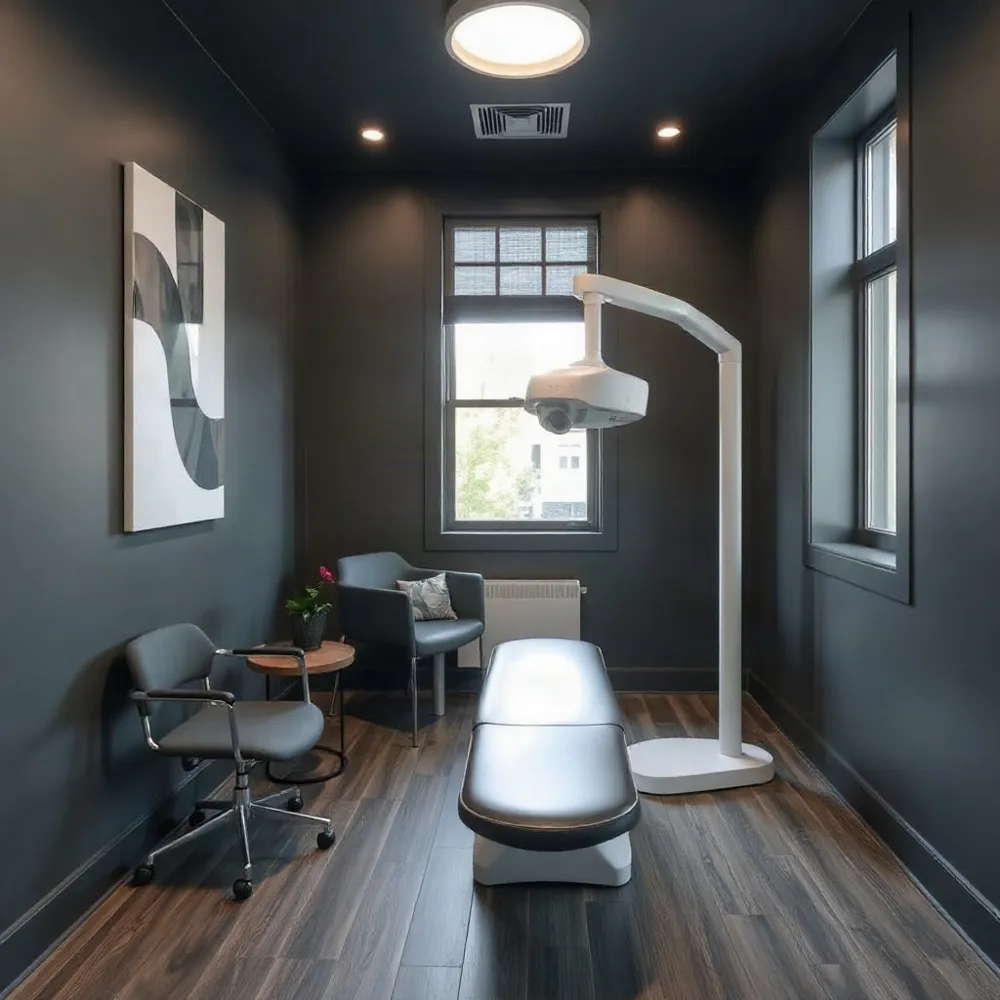 A sore that does not heal, a lasting red or white patch, or an unexplained lump or thickened area should be checked. Ongoing mouth or ear pain, unusual bleeding, and difficulty chewing, swallowing, or moving your tongue or jaw are also reasons to contact a dental or medical professional. These signs can have causes other than cancer, and their presence alone does not diagnose it.
The Mayo Clinic’s guidance on mouth cancer symptoms advises seeking evaluation when concerning symptoms last more than two weeks. Contact a professional sooner if a change is worrying, worsening, or otherwise concerning. Pain is not the only reason to seek care, and a home check cannot rule out a problem.
At Empower Your Smile’s Walker Street office in Tribeca, Dr. Patricia Moezinia can assess a concern during exams and cleanings. Dr. Moezinia can explain whether the area needs observation or further evaluation. The CDC’s oral cancer overview notes that symptoms warrant attention but do not confirm cancer.
Depending on what the clinician finds, next steps may include monitoring the area, scheduling a follow-up visit, taking a biopsy (a small tissue sample for testing), or referring you for further assessment. To discuss a concern, book a free consultation at Empower Your Smile in Tribeca or call (212) 274-8338.
What Can Raise the Risk?
 Tobacco use in any form and heavy alcohol use can raise the risk of oral cancer. Using tobacco and alcohol together raises risk more than either one alone, according to the American Cancer Society’s risk-factor guidance.
Other risk factors include infection with certain types of human papillomavirus (HPV), especially HPV-16 in cancers at the back of the mouth and throat; significant sun exposure to the lips; betel quid or gutka use; a weakened immune system; and a diet low in fruits and vegetables. The CDC’s oral cancer overview also notes links with tobacco and alcohol use.
A risk factor changes the chance of developing cancer, but it does not determine what will happen. Oral cancer can occur in people with no known risk factors, so a person’s history cannot confirm or rule out disease.
Tell your dentist or healthcare professional about tobacco and alcohol use, HPV history, or other health concerns. At Empower Your Smile’s Walker Street office in Tribeca, Dr. Patricia Moezinia can discuss risk questions during exams and cleanings; Dr. Nicholas Toscano is a board-certified periodontist (a dentist who specializes in gum and bone health) on the care team.
Risk reduction can include avoiding tobacco, limiting alcohol, protecting the lips from strong sun, and discussing HPV vaccination with a healthcare professional. Ask your dentist what steps and screening schedule fit your health history.
How Often Should You Ask About Screening?
There is no single screening schedule that fits everyone. Ask whether an oral check is included in your regular dental visit and whether your health history calls for closer follow-up.
What does the evidence say?
The U.S. Preventive Services Task Force evidence review finds insufficient evidence to recommend for or against routine screening in adults without symptoms. This is not advice to ignore a concerning change: contact a dentist or doctor about anything persistent or worsening instead of waiting for your next appointment.
How can Empower Your Smile help?
At Empower Your Smile, Dr. Patricia Moezinia provides general dental care, including exams and cleanings. Patients can raise questions about oral checks and follow-up at the practice’s Walker Street office in Tribeca. Dr. Moezinia can also discuss gum disease treatment if your screening reveals any concerns.
Frequently asked questions
What areas does a screening check? A dentist may look over the mouth and feel for unusual areas, including in the cheeks, tongue, gums, and neck.
Which changes need attention? A sore that will not heal, a lasting patch, or a new lump should be discussed with a health professional.
What can affect my risk? Tobacco, heavy alcohol use, prior HPV infection, and strong sun exposure to the lips are among the factors to discuss with your dentist. Dr. Patricia Moezinia can review your health history and help you understand your personal risk.
Do I need special equipment for an exam? Usually not. A visual and hands-on check is common; added lights or dyes are not required for every screening, and their benefit is unclear.
Book a free consultation at Empower Your Smile in Tribeca or call (212) 274-8338.
Take Persistent Changes Seriously
An oral exam can spot changes that may need a closer look, but it cannot confirm cancer or find every case. Many mouth sores are not cancer, and a biopsy is needed to diagnose a suspicious area, as Mayo Clinic explains.
If a change persists or concerns you, contact a dentist or other healthcare professional for an assessment. At our Walker Street office in Tribeca, Dr. Patricia Moezinia provides exams and cleanings and can discuss appropriate next steps. Screening does not guarantee early detection or a particular outcome.
Book a free consultation at Empower Your Smile in Tribeca, or call (212) 274-8338.