
The Foundation for a Lifetime of Confidence
Dental implants serve as the gold-standard solution for tooth replacement, offering a durable anchor that functions much like a natural root. By fusing directly to the jawbone through a process known as osseointegration, these implants provide superior stability compared to traditional bridges or dentures. At Empower Your Smile, our team recognizes that long-term success is not merely about the surgical placement, but about creating a healthy biological foundation that can last for decades.
Achieving lasting results requires specialized knowledge of gum health and bone structure. Unlike general practitioners who may rely on limited training, a periodontist spends three additional years in residency specifically studying these tissues, as noted by the American Academy of Periodontology. This deep expertise allows our specialists to navigate complex cases, such as those involving bone loss or chronic inflammation, with a precision that minimizes complications like peri-implantitis.
Providing comprehensive care involves more than technical skill. We emphasize a collaborative, patient-centered approach that integrates surgical expertise with proactive, long-term monitoring. Whether a patient requires gum grafting to establish a healthy tissue margin or precise treatment planning enhanced by 3D imaging, our goal at Empower Your Smile is to ensure that every smile is built upon a base that supports both immediate aesthetics and lifelong health.
Qualified Specialists for Precision Surgical Care
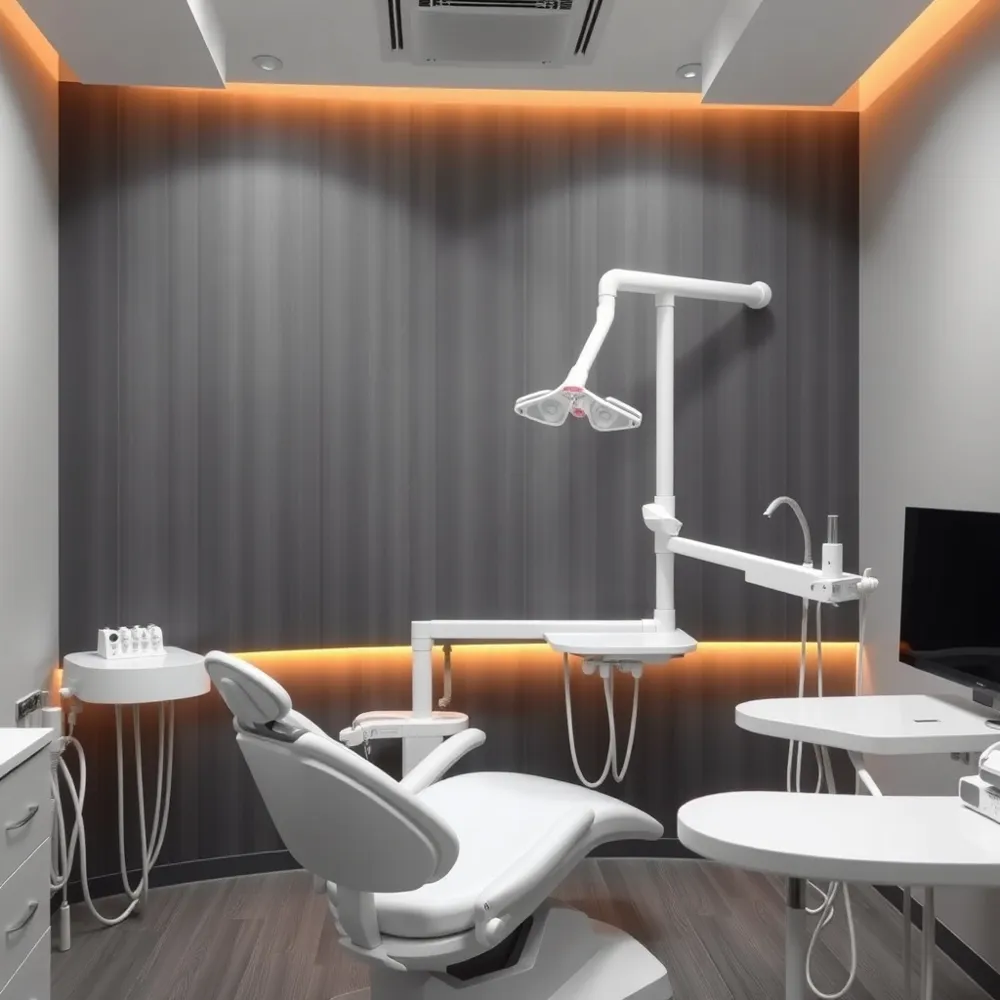 Dental implant procedures require a high level of surgical dexterity and a profound understanding of oral architecture. Because there are no universal government mandates restricting which practitioners may place implants, how do I find a dental implant expert remains a critical question for many patients. Relying on an experienced specialist helps mitigate risks such as bone loss or improper alignment that can occur when surgical execution lacks advanced training.
Periodontists undergo three additional years of residency-style education after graduating from dental school, focusing exclusively on the health of the gum tissue, bone structure, and advanced restorative techniques. This rigorous training exceeds standard dental school curricula, providing these specialists with the clinical mastery needed to manage complex anatomical challenges. While general dental training covers the basics of oral health, it does not typically include the extensive surgical mastery required to safely navigate delicate sinus cavities or advanced bone grafting procedures.
At Empower Your Smile, our specialists apply this advanced training to every phase of treatment, ensuring that bone health and soft-tissue aesthetics are prioritized from the initial consultation. Unlike practices that may rely on general practitioners for complex surgery, our team follows a model of highly specialized care that aligns with the expertise required for long-term implant success. This focus on diagnostic precision and surgical accuracy helps prevent complications, ensuring that your foundation remains stable for years to come.
- Advanced surgical education in bone regeneration and gum health.
- Precision planning through high-resolution 3D diagnostic imaging.
- Specialized clinical experience in managing high-risk systemic factors.
- Consistent coordination of care between surgical and restorative phases.
Building a Stable Foundation Through Specialized Planning
 Achieving lasting clinical success with dental implants begins long before the first incision. Experts, such as a specialized periodontist, prioritize a comprehensive diagnostic assessment to map the unique architecture of a patient's mouth. This preparatory phase is vital for mitigating risks and ensuring that the final prosthesis integrates seamlessly with existing bone and gum tissue.
Advanced diagnostics, specifically 3D cone beam computed tomography (CBCT), represent the standard for modern planning. Unlike conventional 2D X-rays, 3D imaging allows for a precise evaluation of bone density and volume, which is essential because success rates are often linked to the quality and positioning of the available jawbone per 2018 research. By identifying potential anatomical limitations early, clinicians can proactively address deficits through bone or gum grafting, ensuring the implant has the stability required for decades of use.
Digital planning and guided surgery further refine this process. At Empower Your Smile, specialists utilize these technologies to determine the exact angulation and depth needed to distribute bite forces correctly. This foresight reduces the likelihood of mechanical failure and protects surrounding healthy teeth. While some providers may rely on freehand techniques, precision-guided surgery offers a more predictable outcome, particularly in the esthetic zone where alignment is paramount for both function and physical appearance.
Managing Complex Cases with Bone and Gum Grafting
 Dental implants are often still a viable option for patients with gum disease or bone loss, provided the underlying conditions are properly addressed first. At empoweryoursmile.com, the journey to a restored smile begins with ensuring a healthy foundation. While general practitioners may lack the advanced surgical training to manage significant structural compromise, a periodontist utilizes specialized techniques to prepare the site for long-term integration.
Rebuilding the Foundation
When significant bone loss has occurred due to periodontitis or long-term tooth decay, the jawbone may no longer possess the density required to support an implant. Procedures such as ridge augmentation or sinus lifts serve to rebuild this critical support anchor. By reinforcing the bone structure, these procedures create the stable environment necessary for successful osseointegration. Periodontists are experts in these surgical interventions and can often perform them as a component of the comprehensive care available, helping patients who may have been turned away by other providers.
Restoring Gum Health
Correcting gum recession is equally significant for the durability of the final restoration. A gum graft involves moving healthy tissue to areas where recession has occurred, which protects the implant site from potential infection and improves the aesthetic outcome. As noted in research on implant therapy, maintaining a healthy periodontal environment through these corrective measures is the gold standard for clinical success. Through the precise, minimally invasive techniques provided at empoweryoursmile.com, patients can address these structural concerns effectively. Advanced diagnostic tools, such as the 3D imaging utilized by our team, allow for the accurate assessment of bone quality, ensuring your treatment plan is tailored specifically to your oral architecture.
Preventing Complications and Understanding Failure Factors
Achieving an implant success rate that typically reaches 90% to 95% over a decade requires a keen focus on identifying potential risks before they compromise the site. While dental implants are designed to function like natural teeth, their integration depends heavily on the surrounding biological environment. Patients at Empower Your Smile benefit from proactive, personalized care plans that account for systemic health profiles, ensuring that any underlying conditions are managed to maximize the outcome of the osseointegration process.
- Uncontrolled systemic diseases, such as diabetes, can hinder healing by reducing blood flow and impairing the body's ability to fuse bone with the implant.
- Lifestyle choices are critical, as smokers face a substantially higher risk of failure due to reduced vascularity in the surgical site.
- Mechanical forces, particularly from bruxism or chronic teeth grinding, can create excessive stress on the implant, potentially leading to long-term failure.
What are the primary factors that contribute to the failure of dental implants over time? Dental implant failure is typically multifactorial, stemming from both patient-specific health conditions and surgical considerations. Key risk factors include poor oral hygiene and active periodontal disease, which can lead to peri-implantitis, as well as systemic issues like uncontrolled diabetes or history of radiation therapy. Anatomical constraints, such as lower bone density and inadequate bone volume, increase the risk of instability. Behavioral factors, most notably heavy smoking, significantly impair the bone-to-implant integration process. Ultimately, the long-term success of an implant relies on careful clinical planning, high-quality bone support, and the patient’s commitment to disciplined post-operative care and maintenance.
At Empower Your Smile, the team focuses on early detection of these variables, such as screening for occlusal imbalances that signal bruxism. By providing specialized guidance on stress management and oral hygiene habits, the practice helps patients mitigate risks that are often overlooked in routine care settings. Consistent follow-up intervals are scheduled to detect even minor changes in tissue health, ensuring that the foundation of your implant remains stable for years to come.
Standardized Clinical Benchmarks for Implant Success
Determining the long-term viability of a dental implant requires a rigorous assessment of both physical stability and soft tissue health. Because success rates for these procedures typically hover between 90% and 95%, clinicians utilize specific criteria to confirm that the implant has achieved proper osseointegration and remains free from biological or mechanical complications.
What clinical criteria are used to determine if a dental implant is considered successful?
The primary indicator of a successful implant is absolute stability, which means the fixture demonstrates no mobility upon physical examination. A clinician must also confirm the complete absence of pain, tenderness, or signs of active infection, such as suppuration or persistent inflammation in the surrounding gum tissue. These clinical markers verify that the implant is effectively supporting its prosthetic load without placing excessive strain on the integrated bone.
- Radiographic confirmation confirms the absence of progressive bone loss around the fixture.
- Probing depths around the implant must remain consistent, indicating healthy peri-implant soft tissues.
- Professional maintenance intervals are essential for ensuring these markers remain stable over time.
- At empoweryoursmile.com, our team utilizes advanced diagnostic imaging to monitor these indicators and ensure that each patient achieves lasting, predictable results.
Beyond physical examination, radiographic evaluation serves as the definitive tool for observing osseointegration. A 2022 study emphasizes that routine follow-up, involving mechanical debridement and plaque control, is the gold standard for maintaining these clinical successes. By focusing on the health of the tissue interface, specialists can manage potential threats like peri-implantitis before they impact structural integrity, ensuring that the full spectrum of dental services provided at empoweryoursmile.com results in a stable foundation for every patient.
Long-Term Maintenance and Professional Follow-Up
Achieving an implant success rate that often exceeds 95% relies on more than just the initial surgery. While dental implants provide a stable replacement for missing teeth, their endurance depends on careful, ongoing peri-implant maintenance therapy. This process is essential for preventing biological complications such as peri-implantitis, an inflammatory condition that can eventually compromise the bone supporting the restoration.
What is the recommended maintenance protocol to ensure the longevity of dental implants?
To ensure the longevity of your dental implants, it is essential to maintain a rigorous daily hygiene routine, including brushing with a soft-bristle or recommended electric toothbrush and consistent flossing. Because dental implants are susceptible to peri-implantitis—a localized inflammation that can cause bone loss—professional care is equally critical. You should visit our Tribeca office for regular check-ups, where our specialists will perform specialized cleanings using non-scratch tools and obtain periodic radiographs to monitor your bone health. During these visits, we will also verify that your restorations are securely attached and properly aligned to prevent biomechanical overload. By combining diligent at-home care with professional monitoring tailored to your specific restoration, you can keep your implant-supported smile healthy and functional for years to come.
- Patient-centered care at empoweryoursmile.com includes a review of bone health and soft tissue stability, a standard that exceeds the basic cleanings often provided by traditional general dental offices.
- Routine supportive periodontal therapy typically begins with examinations every 3 months to manage early risks, eventually transitioning to 6-month intervals once the site achieves stability.
- Clinical protocols dictate that professionals use only metal-free or specialized cleaning instruments to avoid scratching the abutment or implant surface, which could otherwise create rough spots where bacteria naturally accumulate.
- Early detection of mechanical issues, such as loose components or shifting contacts, allows the team at empoweryoursmile.com to intervene before these problems place excessive stress on the surrounding jawbone.
Investing in Your Oral Health Future
Achieving a lasting dental restoration is a commitment that extends far beyond the final procedure. By choosing a periodontist for your care, you ensure that your treatment is built upon a foundation of three years of specialized residency training focused specifically on bone and gum health. Unlike general practice models where implant services may be elective or sporadic, the Empower Your Smile team utilizes advanced surgical expertise to manage complex anatomical challenges, translating into survival rates that frequently exceed 95%.
Long-term success depends on a proactive partnership rather than reactive corrections. While general dentists often provide routine care, the specialized diagnostic approach at Empower Your Smile employs high-resolution imaging and targeted interventions to address risks like peri-implantitis long before they threaten the structural integrity of your restoration. This integration of surgical skill and ongoing clinical oversight is a primary factor in preventing the late complications that can arise from neglected soft tissue health.
Your smile is a lifetime asset, and the partnership you form with your surgical specialist determines the longevity of your investment. Whether you require bone grafting to restore bone volume or consistent supportive therapy to maintain current tissue, professional guidance turns manageable risks into a stable, healthy future. Prioritizing this level of precision ensures that your oral health remains functional, comfortable, and aesthetic for years to come.